Premium
Stone Tool Archaeology
Interactive passage with audio narration, comprehension questions, and printable PDF.
Just this resource
$1.50
One-time purchase
Best value
Unlock everything
$19.99/yr
5,000+ resources, AI tools
Unlock above to use these actions
- Format
- Interactive (Online), Printable (PDF)
- Grades
- 678
- Subjects
- readinghistoryela
- Standards
- CA HSS 6.1.1CCSS.RI.6.1CCSS.RI.6.4
- Languages
- English, Spanish
What's included
Reading passage
Reading comprehension
Audio narration
With word word highlighting
Comprehension quiz
Auto-graded
Writing activity
Open-ended response
Glossary & flashcards
Vocabulary practice
Differentiated version
Adapted for varied levels
Spanish translation
Bilingual support
About this reader
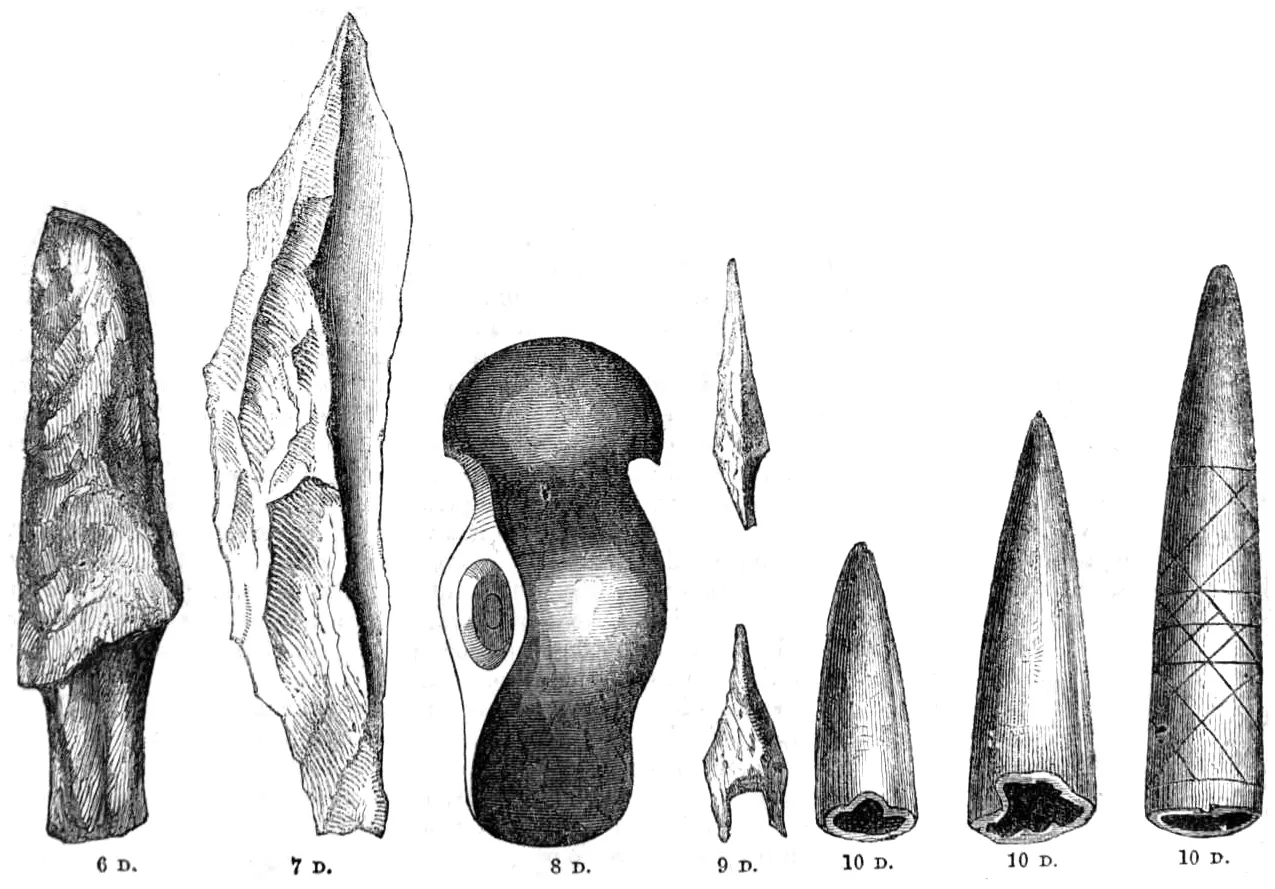
This engaging passage explores the significance of ancient stone tools and their role in understanding early human history. Students will learn about archaeological discoveries in Africa and Europe, including sites such as Olduvai Gorge and Boxgrove, as well as the methods archaeologists use to analyze artifacts. The passage explains how stone tools reveal information about technology, adaptation, and daily life in prehistoric times. It aligns with CA HSS 6.1.1 and CCSS RI.6.1, helping students develop historical thinking and reading skills. The resource includes a glossary, differentiated text, Spanish translation, multiple-choice quiz, writing activity, graphic organizers, and timeline. This is a comprehensive history reading passage with read aloud audio and Spanish translation, perfect for deepening student understanding of early humans and archaeological evidence.
Written by Workybooks TeamPublished by Workybooks
Preview
Sample passage and quiz content
Who it's for
Perfect for the way you teach
Teachers
- Build comprehension skills
- Auto-graded quiz
- Differentiated reading
Parents
- Read together at home
- Improve fluency
- Quiet reading time
Homeschoolers
- Reading curriculum support
- Independent practice
- Track Lexile growth
Topics
ancient stone toolsearly humansarchaeologyAfricaEuropeexcavationprehistoryHomo habilis