Introduction to the Paleolithic Age
Interactive passage with audio narration, comprehension questions, and printable PDF.
By completing this purchase you agree to our Terms of Use and Privacy Policy. Your subscription renews automatically until you cancel. You can cancel anytime from your account settings. All sales are final and non-refundable. Digital content is available for download in your account immediately upon purchase.
What's included
Part of this bundle

Introduction to the Paleolithic Age preview and details
About this printable Introduction to the Paleolithic Age reading passage (Grades 6-8)
Sample passage and quiz from Introduction to the Paleolithic Age
Reading passage and comprehension quiz preview
Introduction to the Paleolithic Age
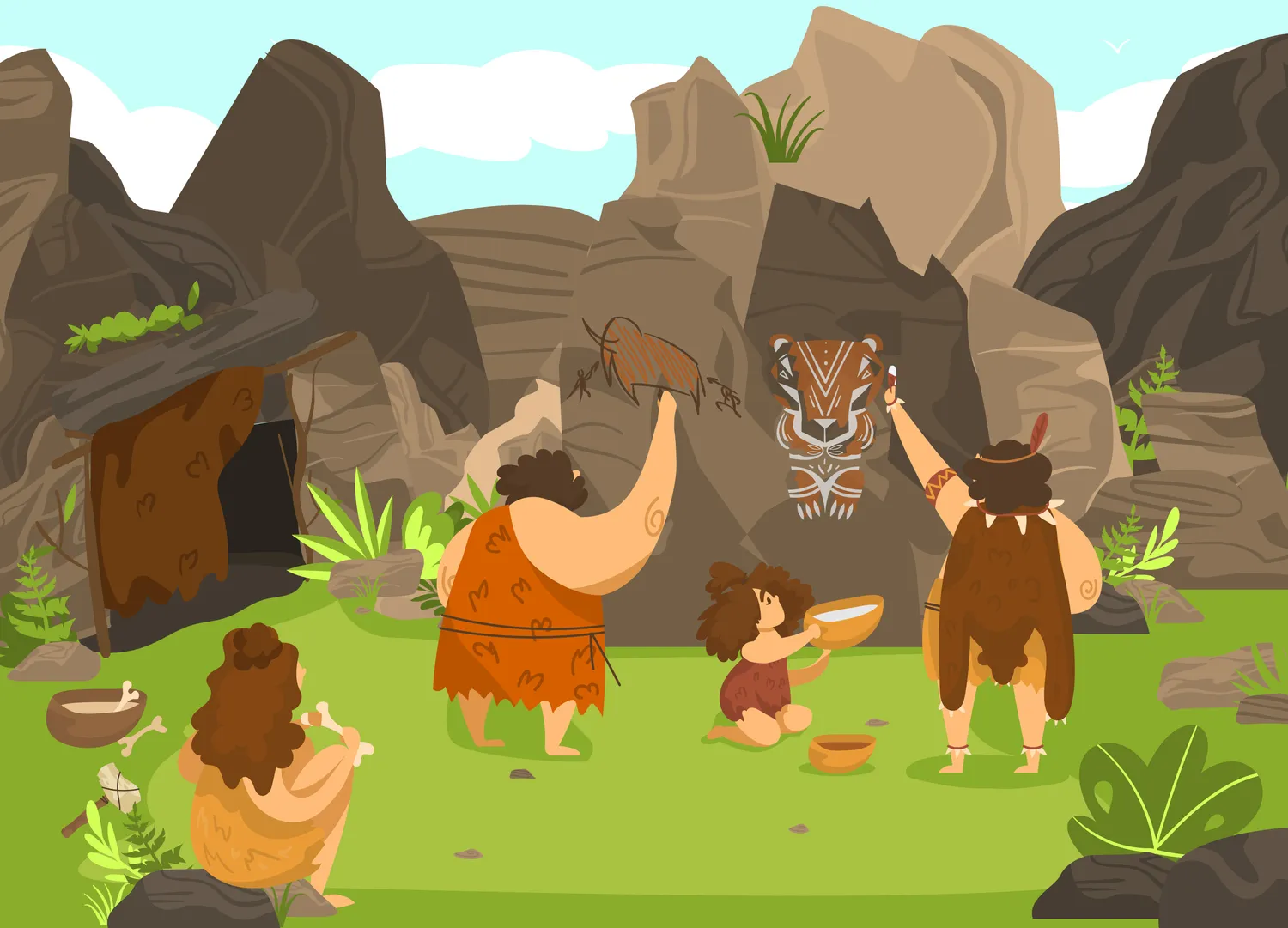
The Paleolithic Age, also known as the Old Stone Age, marks the earliest and longest period of human history, stretching from about 2.5 million years ago to 10,000 BCE. During this era, ancient humans developed basic survival strategies and made significant advances that shaped the future of humanity. Archaeologists define this time by the use of simple stone tools and a hunter-gatherer way of life, as humans relied on the natural environment for food and resources.
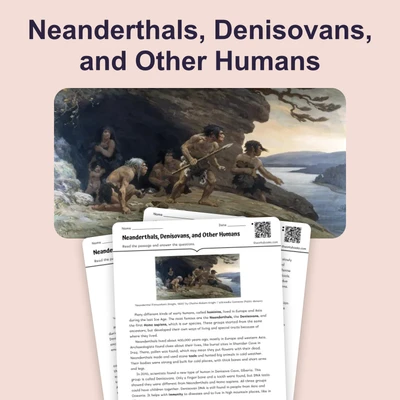
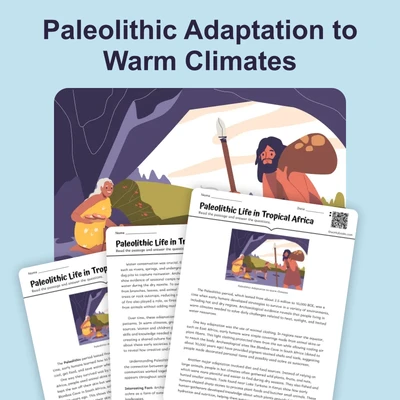
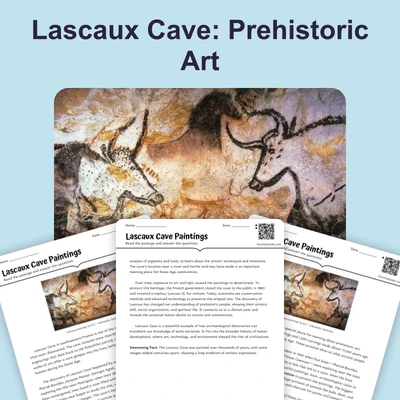
During the Paleolithic Age, groups of homo sapiens and their close relatives, such as Neanderthals, survived by hunting animals and gathering wild plants. Archaeological evidence from sites like the Blombos Cave in South Africa, which contains engraved ochre and bone tools dated to 70,000 years ago, shows the early use of art and symbolic thinking. Remains found in the Chauvet Cave in France reveal that Paleolithic humans created detailed cave paintings as early as 30,000 BCE, indicating the development of complex culture and communication through images.
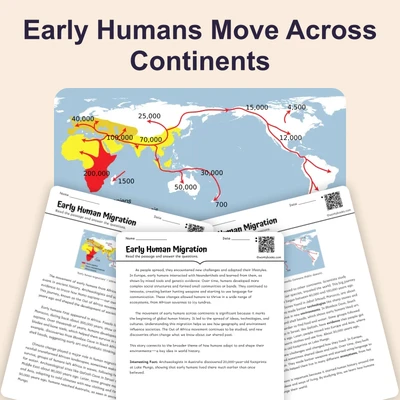
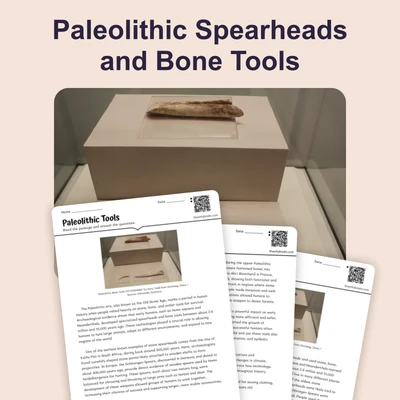
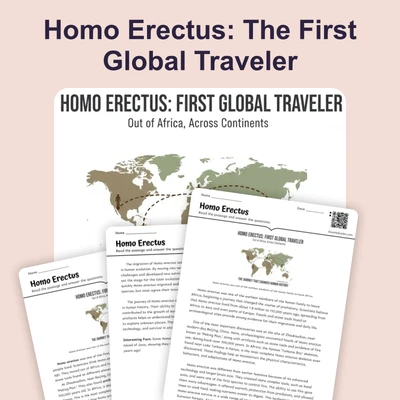
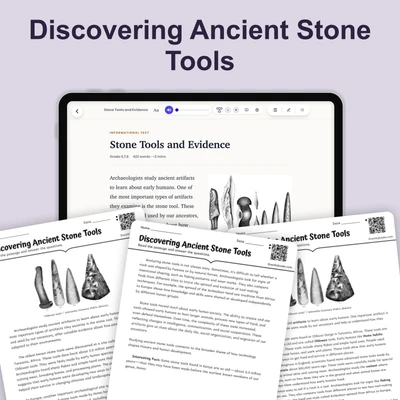
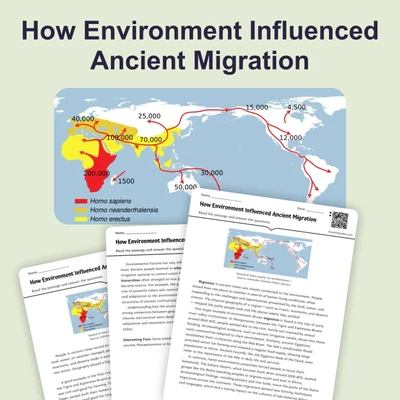
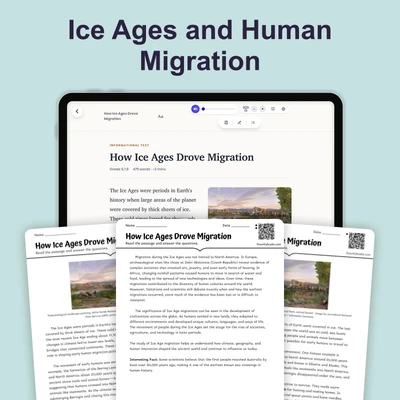
Paleolithic people lived in small, mobile bands, often moving across large areas in search of food. Their migration patterns were influenced by climate changes, availability of animals, and seasonal plants. For example, during the last Ice Age, bands of early humans crossed the land bridge called Beringia from Asia into the Americas, adapting to new environments along the way. The invention and improvement of stone tools such as hand axes, scrapers, and spear points allowed them to hunt large animals like mammoths and protect themselves from predators.
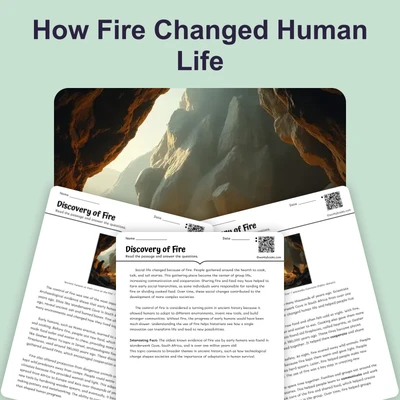
Social organization in Paleolithic communities was relatively equal, with members sharing tasks such as hunting, gathering, and making tools. There is little evidence of rigid social hierarchy, although some individuals may have gained status through skill or age. The use of fire for cooking and warmth, as seen in ancient hearths at sites like Zhoukoudian in China (about 500,000 years ago), improved diet and survival rates. Over time, humans developed more advanced language and symbolic art, which helped strengthen group identity and transmit knowledge across generations.
The Paleolithic Age laid the foundation for future human development. The skills and innovations of these early people—such as toolmaking, art, and adaptation to diverse environments—enabled later civilizations to thrive. Studying this period helps historians understand how humans interacted with their environment and each other, and how they responded to challenges through creativity and cooperation.
As we move forward in world history, the Paleolithic Age connects to the rise of agriculture and permanent settlements during the Neolithic Revolution, highlighting the dramatic changes in human society over time.
Interesting Fact: Some of the oldest known musical instruments, such as bone flutes found in Germany, were created by Paleolithic humans over 40,000 years ago.
Comprehension quiz (8 questions)
1. When did the Paleolithic Age end?
2. What is Beringia?
3. Which cave has paintings from 30,000 BCE?
4. Why did Paleolithic people migrate?
5. How did stone tools help humans?
6. What was the impact of fire?
7. The Paleolithic Age is also called the Old Stone Age.
8. What does 'migration' mean?
Perfect for the way you teach
- Build comprehension skills
- Auto-graded quiz
- Differentiated reading
- Read together at home
- Improve fluency
- Quiet reading time
- Reading curriculum support
- Independent practice
- Track Lexile growth