Hollywood: The World of Entertainment — Reading Comprehension
Rate this
Premium Resource
Present
Present in classroom. No work saved
Assign
Classroom with student accounts, Track progress
Quick Play
No student accounts, assign with a link
Grades
3
4
5
Standards
D2.HIS.6.3-5
D2.HIS.16.3-5
RI.5.3
RI.5.4
W.5.2
PRINT+DIGITAL RESOURCE
This learning resource is available in interactive and printable formats. The interactive worksheet can be played online and assigned to students. The Printable PDF version can be downloaded and printed for completion by hand.
This engaging U.S. history reading passage introduces students to Hollywood and its transformation into the world’s entertainment capital. Students will learn about the early beginnings of Hollywood, the arrival of movie studios, and how immigration and diversity shaped modern California. The passage follows a chronological structure, highlighting important events and figures, such as the first film studios and famous stars. Vocabulary is presented in context to support foundational literacy, and a glossary is provided for deeper understanding. Activities include a timeline, multiple-choice quiz, writing prompts, and graphic organizers to reinforce comprehension and critical thinking. This resource aligns with C3 Framework standards D2.His.6.3-5 and D2.His.16.3-5, as well as Common Core ELA standards RI.5.3, RI.5.4, and W.5.2. The passage is available with read aloud audio and full Spanish translation, making it accessible for diverse classrooms. Students will also discover an interesting fact about Hollywood’s global influence. This passage is ideal for exploring how immigration and creativity made California and Hollywood symbols of modern American culture.
Hollywood became the world’s entertainment capital when the film industry moved to California in the early 1900s. Before movies, people enjoyed plays or traveling shows. But new inventions allowed moving pictures to be shown on a screen. This changed the way people were entertained.
Early filmmakers first worked in places like New York and Chicago. But they faced many problems. The weather was often bad, so filming was hard. There were also strict rules on making movies. Filmmakers wanted a place with better weather and more freedom to create.
California, especially the area called Hollywood, was the perfect spot. The weather was sunny and dry almost all year. This made it easy to film outdoors. There were also many different landscapes nearby, like beaches, mountains, and cities. Filmmakers could use these backgrounds for many types of movies. Land in Hollywood was also cheap at that time, so studios could build large sets.
As more studios moved to Hollywood, the area grew. Famous studios like Universal, Paramount, and Warner Bros. were built. Directors, actors, and writers from all over the country came to work there. Soon, Hollywood was making most of America’s movies.
Hollywood movies became popular all over the world. People everywhere watched American films and learned about American culture. The film industry helped California’s economy grow fast. Many people found jobs in studios making costumes, building sets, and filming scenes.
Hollywood’s success showed the power of movies to share stories and ideas. Some films taught lessons about bravery, friendship, or kindness. Others made people laugh or feel excited. Over time, Hollywood became a symbol of creativity and dreams.
Today, Hollywood is still known for making movies and TV shows. Its influence on culture, fashion, and even language can be seen around the world. The entertainment economy that started in Hollywood continues to shape modern America and inspire millions.
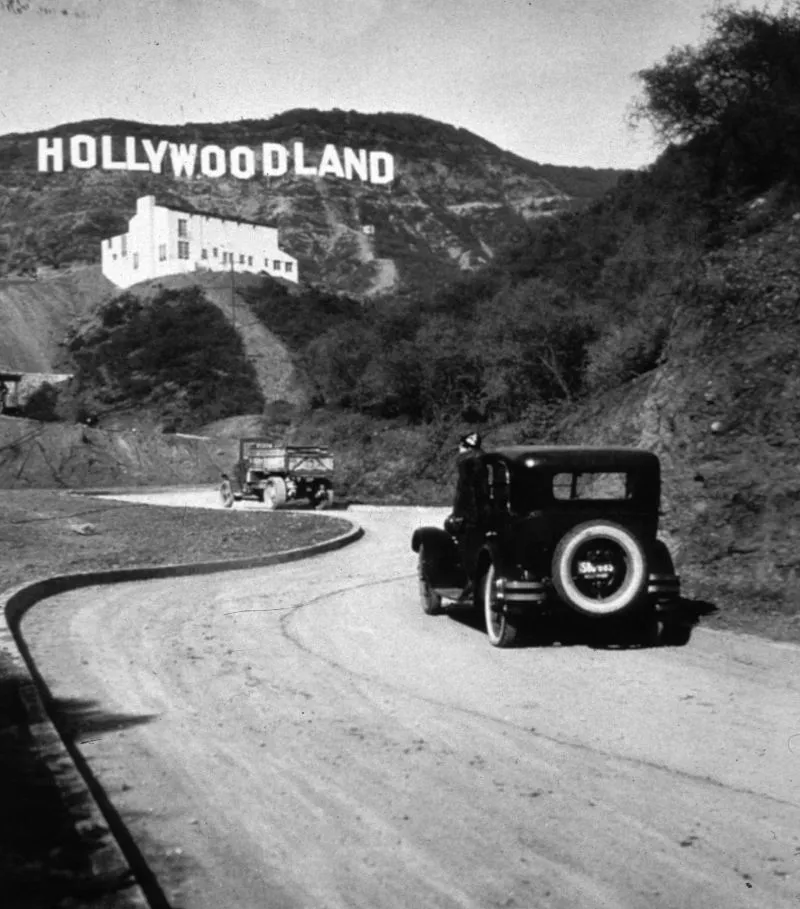
Interesting Fact: The famous Hollywood sign first said "Hollywoodland" when it was built in 1923 to advertise a new housing area.
Why did filmmakers move to California?
Better weather and more freedomMore traffic and busy streetsLess sunshine and rainTo be closer to New York
What did the first Hollywood sign say?
HollywoodlandMovielandCaliforniaDreamland
Which studios are NOT mentioned?
DisneyUniversalParamountWarner Bros.
How did movies help California's economy?
Created many jobsClosed all shopsStopped tourismMade land more expensive
Why is Hollywood a symbol of dreams?
Movies share stories and hopeIt has the tallest mountainIt is always cloudyOnly music is made there
What was an effect of good weather?
Easier to film outdoorsLess filming doneMore rain delaysFewer movies made
Hollywood is the movie capital. True or false?
TrueFalse
What does 'studio' mean?
Movie making placeA kind of foodA type of carA city in California
Perfect For:
👩🏫 Teachers
• Reading comprehension practice
• Auto-graded assessments
• Literacy skill development
👨👩👧👦 Parents
• Reading practice at home
• Comprehension improvement
• Educational reading time
🏠 Homeschoolers
• Reading curriculum support
• Independent reading practice
• Progress monitoring
Reading Features:
📖
Reading Passage
Engaging fiction or nonfiction text
❓
Comprehension Quiz
Auto-graded questions
📊
Instant Feedback
Immediate results and scoring
📄
Printable Version
Download for offline reading
🔊
Read Aloud
Voice-over with word highlighting
Reviews & Ratings
No reviews yet. Be the first to share your experience!
Related Content
Children and Women During the Civil War
This engaging history reading passage explores the important roles of children and women during the Civil War. Aligned w...
D2.HIS.2.3-5D2.HIS.3.3-5D2.HIS.16.3-5RI.4.1
America Becomes a World Power
This engaging history reading passage explores how America became a world power, focusing on key events, figures, and ca...
D2.HIS.2.3-5D2.HIS.16.3-5RI.4.3RI.4.4
Rosa Parks and the Montgomery Bus Boycott
This engaging U.S. history reading passage explores the brave actions of Rosa Parks and the beginning of the Montgomery ...
D2.HIS.2.3-5D2.HIS.16.3-5RI.4.3RI.4.4
Life in a California Mining Camp
This engaging reading passage explores daily life in a California mining camp during the Gold Rush era of the late 1840s...
D2.HIS.2.3-5D2.HIS.3.3-5D2.HIS.16.3-5RI.4.3
Chinese Miners in California
This engaging U.S. history reading passage explores the experiences of Chinese immigrants during the California Gold Rus...
D2.HIS.4.3-5D2.HIS.16.3-5RI.4.3RI.4.4
The Gold Rush Changes California Forever
This engaging U.S. History reading passage explores how the Gold Rush changed California forever. Students will learn ab...
D2.HIS.1.3-5D2.HIS.2.3-5D2.HIS.16.3-5RI.4.3
Building the Transcontinental Railroad
This engaging history reading passage explores the building of the Transcontinental Railroad, a major achievement in U.S...
D2.HIS.2.3-5D2.HIS.16.3-5RI.4.3RI.4.4
Transcontinental Railroad Workers
This history reading passage explores the vital roles of Chinese and Irish workers in building America's railroads durin...
D2.HIS.16.3-5D2.HIS.2.3-5RI.4.1RI.4.3
California Labor Reform
This engaging reading passage introduces students to the important changes and reforms of the Progressive Era in U.S. hi...
D2.HIS.5.3-5D2.HIS.16.3-5RI.4.3RI.4.4
Building the Hoover Dam: Jobs in Hard Times
This history reading passage explores the story of the Hoover Dam, built during the Great Depression. Students will lear...
D2.HIS.1.3-5D2.HIS.2.3-5D2.HIS.16.3-5RI.4.3
California Education Policy
This educational reading passage explores how decisions are made about what students learn in U.S. schools, focusing on ...
D2.HIS.16.3-5D2.CIV.7.3-5RI.4.3RI.4.4
James Watt and the Steam Engine
This engaging U.S. history reading passage explores the life and work of James Watt and his impact on the Industrial Rev...
D2.HIS.3.3-5D2.HIS.16.3-5RI.4.3RI.4.4
Telegraph Invention
This engaging passage explores the invention of the telegraph and its vital role during the Progressive Era of U.S. hist...
D2.HIS.3.3-5D2.HIS.16.3-5RI.4.3RI.4.4
Child Labor in the Industrial Revolution
This engaging history reading passage introduces students to the topic of child labor during the Industrial Revolution i...
D2.HIS.2.3-5D2.HIS.16.3-5RI.4.3RI.4.4
The Mexican-American War Comes to California
This passage explores the key events of the Mexican-American War as it reached California, focusing on the period leadin...
D2.HIS.2.3-5D2.HIS.6.3-5RI.4.3RI.4.4
First California Constitution
This U.S. History reading passage explores how California became a state and created its first constitution after the Me...
D2.HIS.2.3-5D2.HIS.6.3-5RI.4.3RI.4.4
Rocky Coast and Thick Forests in New England Colony
This reading passage introduces students to the New England Colonies, focusing on the rocky coasts and thick forests tha...
D2.HIS.2.3-5D2.HIS.6.3-5RI.4.3RI.4.4
Town Meetings: How Colonists Made Decisions
This passage explores the role of town meetings in the New England Colonies and how colonists worked together to make im...
D2.HIS.6.3-5D2.CIV.2.3-5RI.4.3RI.4.4
William Penn and the Quakers
This history reading passage introduces students to the story of William Penn and the Quakers, focusing on their role in...