This learning resource is available in interactive and printable formats. The interactive worksheet can be played online and assigned to students. The Printable PDF version can be downloaded and printed for completion by hand.
This 250-word reading passage introduces fourth-grade students to the relationship between height and speed, aligned with NGSS standard 4-PS3-1. Students discover how objects released from higher positions move faster when they reach the bottom, using familiar examples like ramps and slides. The passage explains the connection between potential energy (stored energy based on position) and kinetic energy (energy of motion), helping students understand that more height means more stored energy, which converts into greater speed. Through real-world examples and simple explanations, students build foundational knowledge about energy transfer and transformation. The passage includes audio integration for accessibility, bolded vocabulary terms with clear definitions, and age-appropriate language suitable for fourth-grade readers. Accompanying activities include multiple-choice comprehension questions, writing prompts that require students to explain and apply concepts, and graphic organizers that help visualize cause-and-effect relationships and compare different scenarios. A simplified differentiated version supports struggling readers while maintaining the same core science concepts. Spanish translations of both versions ensure accessibility for English language learners. This comprehensive resource prepares students for hands-on investigations and class discussions about energy, motion, and the scientific principle that higher starting positions result in faster speeds at the bottom.
CONTENT PREVIEW
Expand content preview
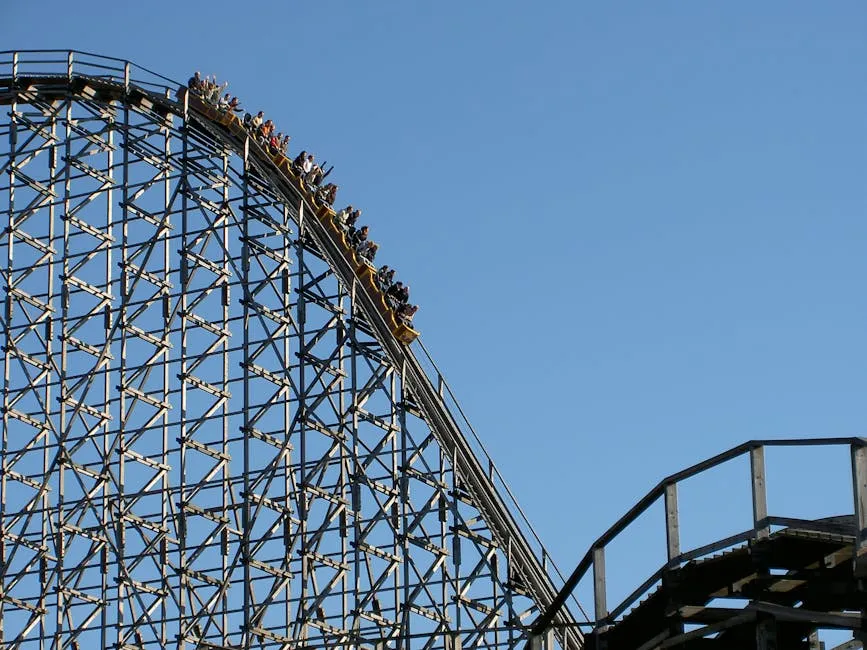
"Experience the exhilarating thrill of a roller coaster ascending the steep peak at an amusement park." Image by Angie / Pexels.
Energy is the ability to make things move or change. Energy can move from one place to another when objects move. One important idea in science is that the height of an object affects how fast it moves.
When you place a ball at the top of a ramp, it has potential energy. Potential energy is stored energy that an object has because of its position or height. The higher the ball is, the more potential energy it has. When you release the ball, it rolls down the ramp. As it moves, the potential energy changes into kinetic energy. Kinetic energy is the energy of motion.
Here is the key connection: a ball released from a taller ramp will move faster at the bottom than a ball released from a shorter ramp. This happens because the taller ramp gives the ball more potential energy to start with. All that stored energy converts into kinetic energy as the ball rolls down. More starting energy means more speed at the end.
You can see this on playground slides too. When you start at the top of a tall slide, you go much faster than when you start halfway down. The same rule applies: higher start equals faster at the bottom. This principle helps us understand how energy moves and changes in our world.
What is potential energy?
Energy of motion when movingStored energy from position or heightEnergy that makes things hotEnergy from the sun
What happens to potential energy going down?
It disappears completelyIt stays the sameIt changes into kinetic energyIt turns into light
Which ball moves faster at the bottom?
Ball from a short rampBall from a tall rampBoth move the same speedNeither ball will move
Why does height affect speed?
Higher objects are always heavierMore height means more stored energyTaller ramps are always steeperHeight makes objects lighter
What is kinetic energy?
Energy stored in batteriesEnergy from being high upEnergy of motionEnergy from eating food
On a slide, where do you go fastest?
Starting from the middleStarting from the bottomStarting from the topSpeed is always the same
Higher start always equals faster at bottom.
TrueFalse
What does convert mean in the passage?
To stop moving completelyTo change from one form to anotherTo make something tallerTo measure the speed
Perfect For:
👩🏫 Teachers
• Reading comprehension practice
• Auto-graded assessments
• Literacy skill development
👨👩👧👦 Parents
• Reading practice at home
• Comprehension improvement
• Educational reading time
🏠 Homeschoolers
• Reading curriculum support
• Independent reading practice
• Progress monitoring
Reading Features:
📖
Reading Passage
Engaging fiction or nonfiction text
❓
Comprehension Quiz
Auto-graded questions
📊
Instant Feedback
Immediate results and scoring
📄
Printable Version
Download for offline reading
🔊
Read Aloud
Voice-over with word highlighting
Reviews & Ratings
No reviews yet. Be the first to share your experience!
Related Content
Forms of Energy
This audio-integrated reading passage introduces fourth-grade students to the basic forms of energy they encounter daily...
NGSS 4-PS3-1
How Motion and Energy Are Related
This Grade 4 physical science reading passage teaches students about the relationship between motion and energy, aligned...
NGSS 4-PS3-1
What Is Potential Energy
This 250-word reading passage introduces fourth-grade students to the fundamental concept of potential energy aligned wi...
NGSS 4-PS3-1
What Is Energy
This engaging 250-word reading passage introduces fourth-grade students to the fundamental concept of energy as outlined...
NGSS 4-PS3-1
How Does a Slingshot Work
This 250-word reading passage introduces fourth-grade students to the concept of energy transformation using a slingshot...
NGSS 4-PS3-1
How to Measure Speed
This 250-word reading passage introduces fourth-grade students to the fundamental concept of speed and how it can be mea...