How Waves Move Objects
Interactive passage with audio narration, comprehension questions, and printable PDF.
By completing this purchase you agree to our Terms of Use and Privacy Policy. Your subscription renews automatically until you cancel. You can cancel anytime from your account settings. All sales are final and non-refundable. Digital content is available for download in your account immediately upon purchase.
What's included
How Waves Move Objects preview and details
About this printable How Waves Move Objects science reading passage, NGSS-aligned (Grades 3-5)
Sample passage and quiz from How Waves Move Objects
Reading passage and comprehension quiz preview
How Waves Move Objects
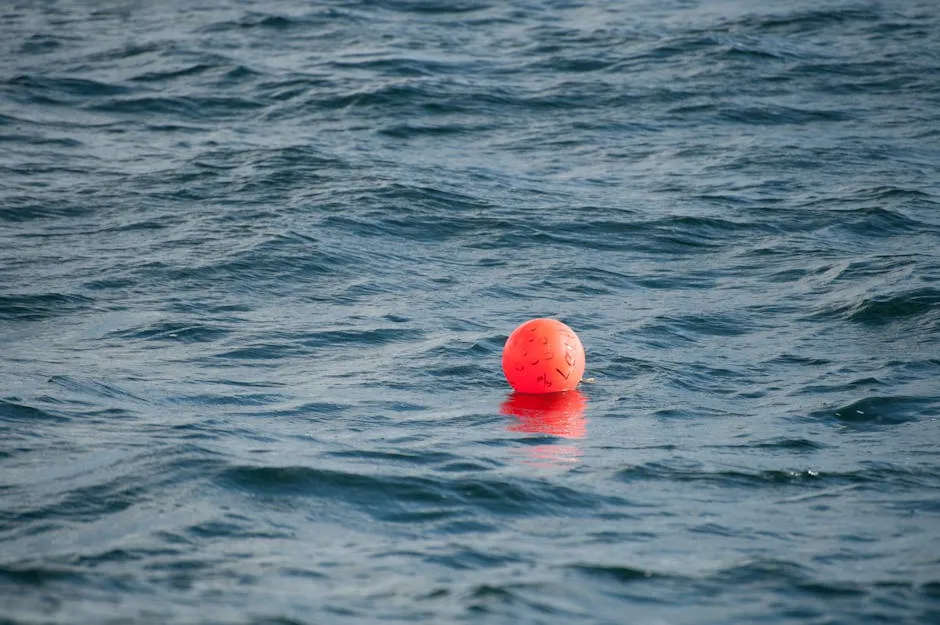
When a wave passes through water, it makes objects on the surface move up and down.. Image credit Trygve Finkelsen / Pexels.
Waves are repeating movements that carry energy from one place to another. When waves move through water or air, they can push and pull on objects in their path. Understanding how waves affect objects helps us explain many things we see in nature.
When a wave passes through water, it makes objects on the surface move up and down. Imagine placing a small ball on a calm pond. When you create waves by moving your hand in the water, the ball bobs up and down. The ball rises when the high part of the wave, called the crest, reaches it. Then the ball drops down when the low part of the wave, called the trough, passes underneath. This up-and-down motion happens because the wave transfers its energy to the ball.
Here is something important to remember: the ball does not travel across the pond with the wave. The wave energy moves forward through the water, but the ball only moves up and down in the same spot. Think of it like a jump rope turning in circles. The rope moves in a wave pattern, but each part of the rope stays in roughly the same place as it goes up and down.
You can observe this same pattern with leaves floating on a pond or toys bobbing in a bathtub. The waves pass by, the objects move up and down, but the objects stay in approximately the same location. The wave carries energy, not the object itself.
Comprehension quiz (8 questions)
1. What do waves carry from place to place?
2. What is the high part of a wave called?
3. What is the low part of a wave called?
4. Why does a ball bob up and down?
5. What happens to a floating ball location?
6. How is wave motion like a jump rope?
7. Waves carry objects across the water with them.
8. What does energy mean in this passage?
Perfect for the way you teach
- Build comprehension skills
- Auto-graded quiz
- Differentiated reading
- Read together at home
- Improve fluency
- Quiet reading time
- Reading curriculum support
- Independent practice
- Track Lexile growth