Native American Allies in Colonial Wars
Interactive passage with audio narration, comprehension questions, and printable PDF.
By completing this purchase you agree to our Terms of Use and Privacy Policy. Your subscription renews automatically until you cancel. You can cancel anytime from your account settings. All sales are final and non-refundable. Digital content is available for download in your account immediately upon purchase.
What's included
Native American Allies in Colonial Wars preview and details
About this printable Native American Allies in Colonial Wars reading passage (Grades 6-8)
Sample passage and quiz from Native American Allies in Colonial Wars
Reading passage and comprehension quiz preview
Native American Allies in Colonial Wars
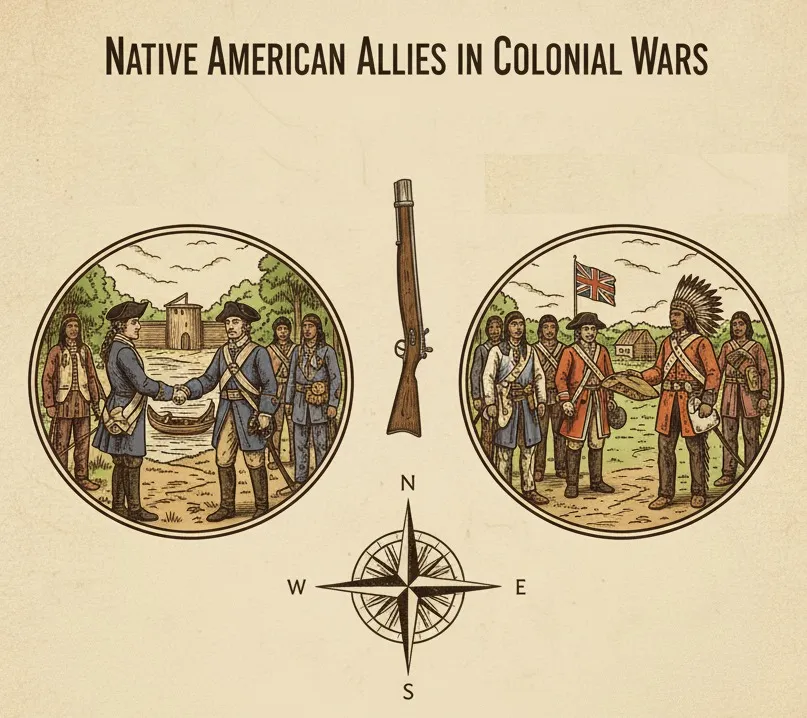
During the colonial period in North America, Native American tribes played a significant role in shaping the outcomes of conflicts between European powers. Rather than being passive victims, many tribes used advanced diplomacy and formed strategic alliances to safeguard their lands and way of life. The choices made by Native leaders were often based on careful strategy, balancing the risks and benefits of siding with the British, French, Dutch, or Spanish.
Many European wars, such as the French and Indian War, spilled over into North America and became what historians call proxy wars. This means the main European rivals fought each other indirectly through their Native American allies. For example, the Huron and Algonquin tribes allied with the French, while the Iroquois League often supported the British. These shifting alliances were not just about picking sides—they were about maintaining autonomy and protecting tribal interests. Native leaders knew that supporting one side could offer valuable tools, trade goods, or military support, but could also bring new threats if the balance of power changed.
The use of negotiation was essential for Native survival. Tribal diplomats, such as the famous Mohawk leader Joseph Brant, met with European officials to discuss terms and boundaries. Sometimes, Native Americans played competing colonial powers against each other, using their position to gain better terms or defend their independence. However, these choices were never simple. Supporting a European power could sometimes mean fighting against other Native nations or risking betrayal by colonial leaders.
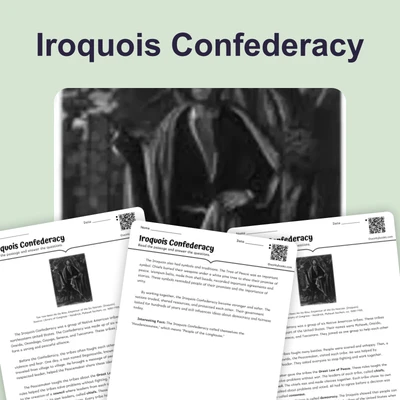
Native American involvement in colonial wars had long-term effects on the continent’s history. Some tribes, like the Iroquois Confederacy, increased their influence through successful coalitions and alliances. Others faced devastating losses when their chosen allies lost, leading to the loss of lands, forced relocation, or broken treaties. The colonial wars were marked by shifting loyalties and complex relationships, where Native Americans were both powerful actors and sometimes victims of European expansion.
Despite the challenges, Native American diplomacy and strategy shaped the destiny of North America. Their actions in colonial wars demonstrate the importance of agency, adaptation, and resilience. By studying their decisions, historians learn about the diverse goals and perspectives of different tribes, and how their choices continue to influence the United States today.
Interesting Fact: Some Native American nations, like the Choctaw and Chickasaw, switched sides multiple times during colonial wars to ensure the survival of their people.
Comprehension quiz (8 questions)
1. Which war is mentioned by name?
2. Which tribe allied with the French?
3. Who was Joseph Brant?
4. Why did tribes form alliances?
5. What is a proxy war?
6. How did Native leaders use negotiation?
7. Native Americans always supported one European power. True or false?
8. What does 'relocation' mean in the passage?
Common Core standards for Native American Allies in Colonial Wars
Explain events, procedures, ideas, or concepts in a historical, scientific, or technical text, including what happened and why, based on specific information in the text.
Determine the meaning of general academic and domain-specific words or phrases in a text relevant to a grade 4 topic or subject area.
Write informative/explanatory texts to examine a topic and convey ideas and information clearly.
Perfect for the way you teach
- Build comprehension skills
- Auto-graded quiz
- Differentiated reading
- Read together at home
- Improve fluency
- Quiet reading time
- Reading curriculum support
- Independent practice
- Track Lexile growth