Tribal Governments in California
Interactive passage with audio narration, comprehension questions, and printable PDF.
By completing this purchase you agree to our Terms of Use and Privacy Policy. Your subscription renews automatically until you cancel. You can cancel anytime from your account settings. All sales are final and non-refundable. Digital content is available for download in your account immediately upon purchase.
What's included
Part of this bundle

Tribal Governments in California preview and details
About this printable Tribal Governments in California reading passage (Grades 3-5)
Sample passage and quiz from Tribal Governments in California
Reading passage and comprehension quiz preview
Tribal Governments in California
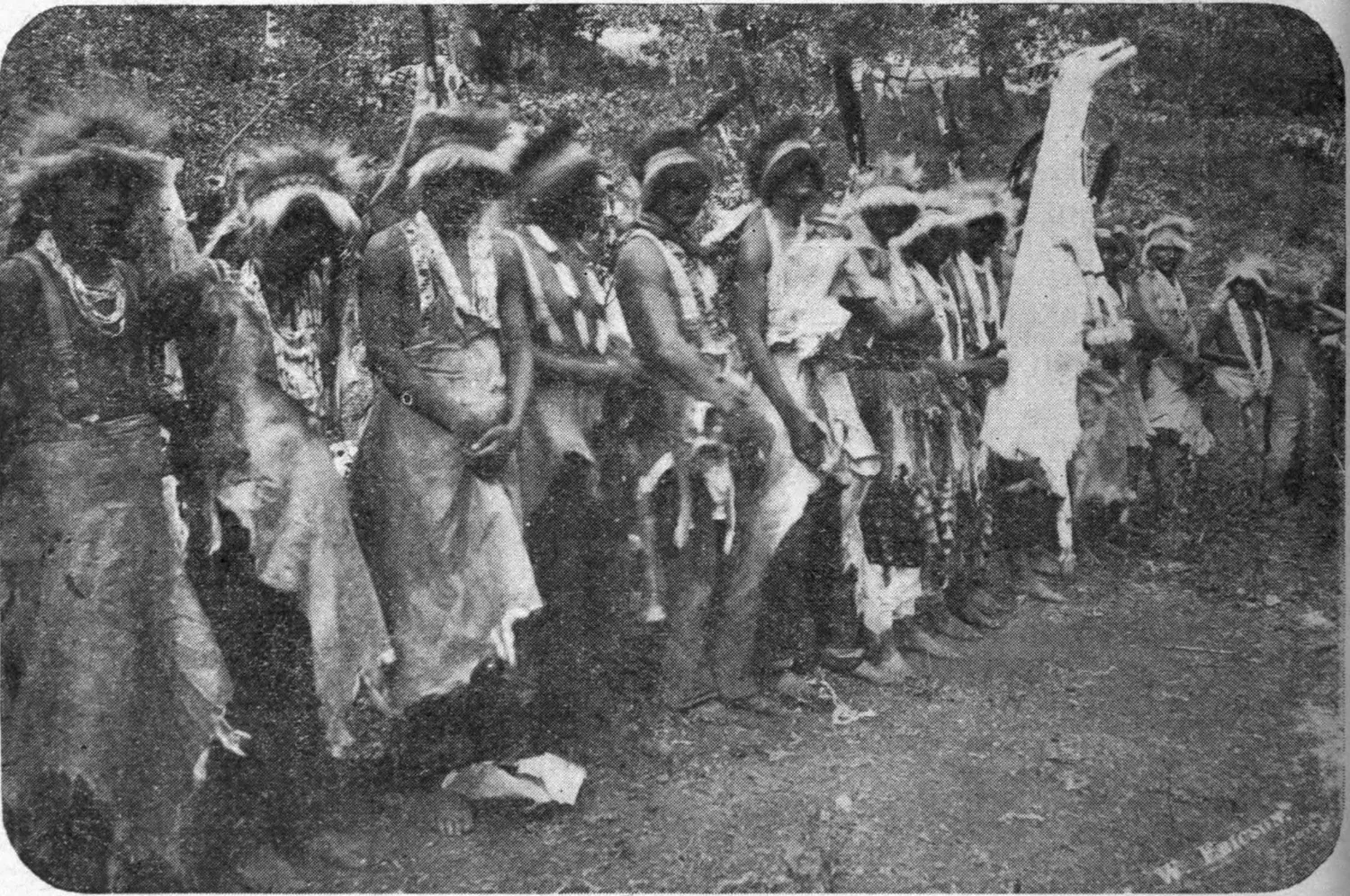
"Beginning of the White Deer Skin Dance - To the American Indian - p102" by N W Ericson / Wikimedia Commons
California is home to 109 federally recognized tribal governments. These tribal nations are unique because they are considered sovereign. Sovereignty means they have the power to rule themselves and make their own laws. The United States government recognizes their right to self-governance. This respect for tribal authority is a result of treaties and agreements made many years ago.
Each tribal government creates its own rules and leadership. Some tribes have a council, which is a group of elected leaders. Other tribes may have a single leader, called a chairperson or chief. Tribal councils meet to discuss issues important to their people, such as health, education, land, and cultural traditions. They make decisions that help keep their communities strong and safe.
Tribal governments also have their own courts. These courts handle disagreements and make sure tribal laws are followed. This is similar to how state and federal courts work, but tribal courts are special because they use the tribe’s own laws and customs. This helps protect each tribe’s traditions and way of life.
California’s tribal governments work with both the United States and California state governments. Sometimes they sign agreements called compacts. These compacts allow tribes to run businesses such as casinos and hotels on their land. The money earned from these businesses often helps fund schools, health clinics, and community programs for tribal members.
Tribal self-governance is important. It allows tribes to protect their lands and traditions and to make decisions for their people. By governing themselves, tribes keep their cultures alive and provide for their communities. This is a right that has been fought for and respected over many generations.
Tribal governments also teach young people about their history and language. This helps keep tribal cultures strong for the future. Many tribes celebrate their traditions with festivals, dances, and storytelling.
Tribal governments in California show how Native peoples are active leaders in their communities. Their hard work ensures that their nations remain strong, proud, and independent.
Interesting Fact: California tribal nations make up over one-fifth of all federally recognized tribes in the United States.
Comprehension quiz (8 questions)
1. How many tribal governments are in California?
2. What does sovereignty mean?
3. What is a tribal council?
4. Why do tribes have courts?
5. How do compacts help tribes?
6. What is one way tribes protect their culture?
7. Tribal governments are not self-governing. True or false?
8. What is a compact?
Common Core standards for Tribal Governments in California
Explain the relationships or interactions between two or more individuals, events, ideas, or concepts in a historical, scientific, or technical text based on specific information in the text.
Determine the meaning of general academic and domain-specific words and phrases in a text relevant to a grade 5 topic or subject area.
Write informative/explanatory texts to examine a topic and convey ideas and information clearly.
Perfect for the way you teach
- Build comprehension skills
- Auto-graded quiz
- Differentiated reading
- Read together at home
- Improve fluency
- Quiet reading time
- Reading curriculum support
- Independent practice
- Track Lexile growth