Why Plants Need Water
Interactive passage with audio narration, comprehension questions, and printable PDF.
By completing this purchase you agree to our Terms of Use and Privacy Policy. Your subscription renews automatically until you cancel. You can cancel anytime from your account settings. All sales are final and non-refundable. Digital content is available for download in your account immediately upon purchase.
What's included
Why Plants Need Water preview and details
About this printable Why Plants Need Water science reading passage, NGSS-aligned (Grades 4-6)
Sample passage and quiz from Why Plants Need Water
Reading passage and comprehension quiz preview
Why Plants Need Water
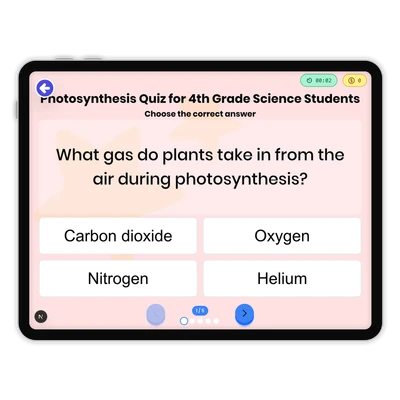
Water is one of the two main materials plants need to make their own food. Plants cannot eat food like animals do, so they must create it themselves through a process called photosynthesis. Photosynthesis is how plants use sunlight, water, and carbon dioxide from the air to produce a type of sugar called glucose that gives them energy to grow. Without water, plants cannot perform photosynthesis and will eventually die.
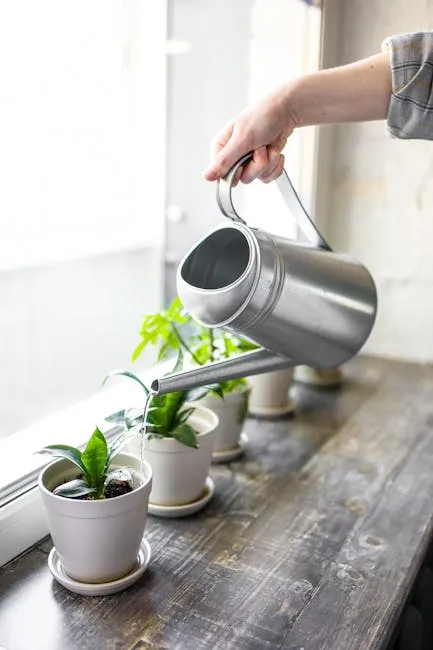
Plants take in water through their roots, which are underground structures that spread out in the soil. Roots are like straws that absorb water from the spaces between soil particles. Once water enters the roots, it travels upward through the plant's stem to reach the leaves. Leaves are the food-making factories of the plant. Think of the stem as a highway system—just as roads carry cars from one place to another, the stem carries water from the roots to the leaves where it is needed most.
Inside the leaves, water plays a critical role in photosynthesis. The leaves contain tiny structures called chloroplasts that capture sunlight. During photosynthesis, water molecules split apart and combine with carbon dioxide that enters the leaf from the air. This chemical reaction produces glucose, which the plant uses as food for growth and energy. As a bonus, photosynthesis also releases oxygen into the air, which is the oxygen that humans and animals breathe.
Water does more than help plants make food. It also keeps plant cells firm and strong, which helps the plant stand upright. When a plant does not get enough water, its cells lose pressure and the plant wilts or droops. Water also helps transport nutrients from the soil throughout the plant. Scientists have discovered that plants can lose water through their leaves in a process called transpiration, which helps pull more water up from the roots, similar to how sipping through a straw pulls liquid upward.
Interesting Fact: A large oak tree can absorb and release over 40,000 gallons of water in a single year—that's enough to fill a small swimming pool!
Comprehension quiz (8 questions)
1. What are the two main materials plants use?
2. Where does photosynthesis happen in plants?
3. What does glucose provide for plants?
4. Why would a plant wilt without water?
5. How does water travel from roots to leaves?
6. What happens to water during photosynthesis?
7. Plants can make their own food.
8. What is transpiration?
Perfect for the way you teach
- Build comprehension skills
- Auto-graded quiz
- Differentiated reading
- Read together at home
- Improve fluency
- Quiet reading time
- Reading curriculum support
- Independent practice
- Track Lexile growth