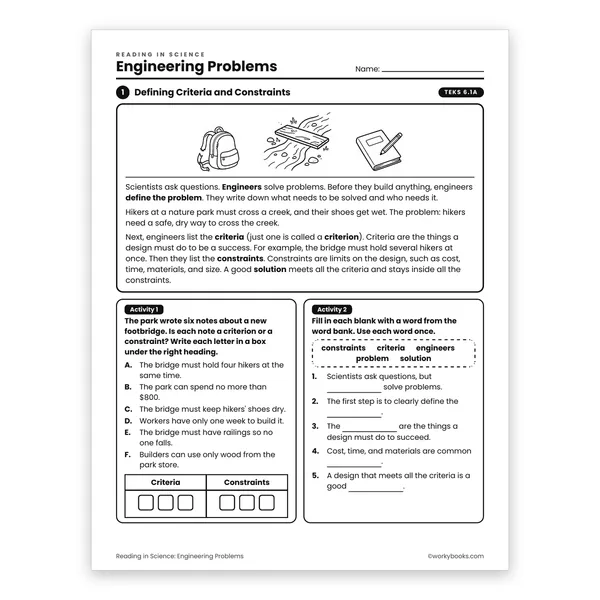
Match each type of energy conversion to an idea for a device you could design to perform that conversion.
Light to Electrical EnergyKinetic to Heat EnergyElectrical to Sound Energysolar-powered calculatorsolar panel chargerhand-cranked heatertreadmill generatormicrophonewind-up music boxspeaker system
Who it's for
Perfect for the way you teach
Teachers
Engaging classroom centers
Auto-scored play
Use as warm-up or review
Parents
Educational screen time
Replay to build mastery
Fun, not boring drills
Homeschoolers
Hands-on practice
Self-paced challenge
Works on any device
Topics

design energy devicesNGSS grade 4energy conversionlight energykinetic energySTEM des
Reviews & Ratings
No reviews yet. Be the first to share your experience!
More games and activities
19 more
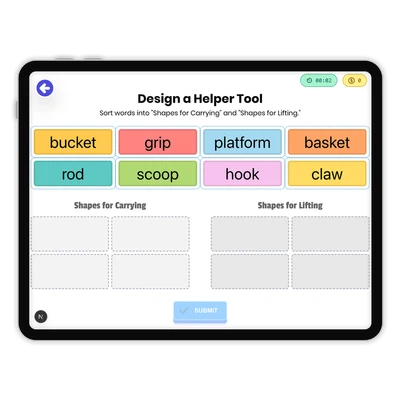
Design a Helper Tool
Design a Helper Tool' engages students in understanding the relationship between shapes and their uses, fostering creati...
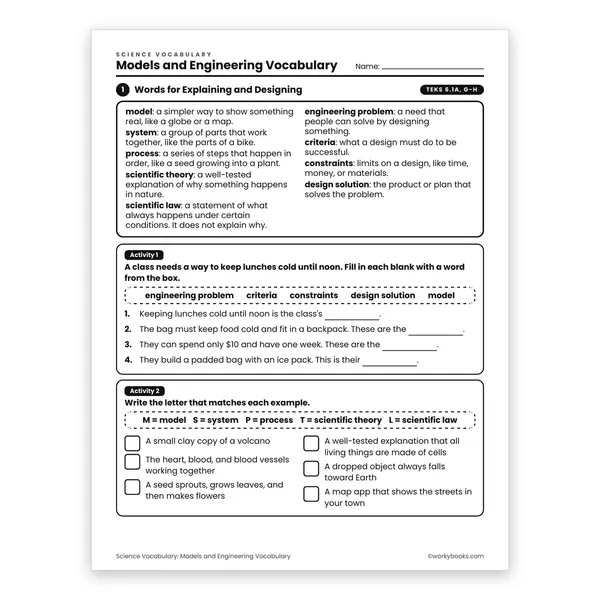
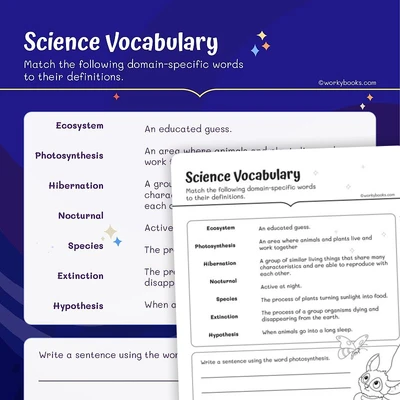
Science Vocabulary
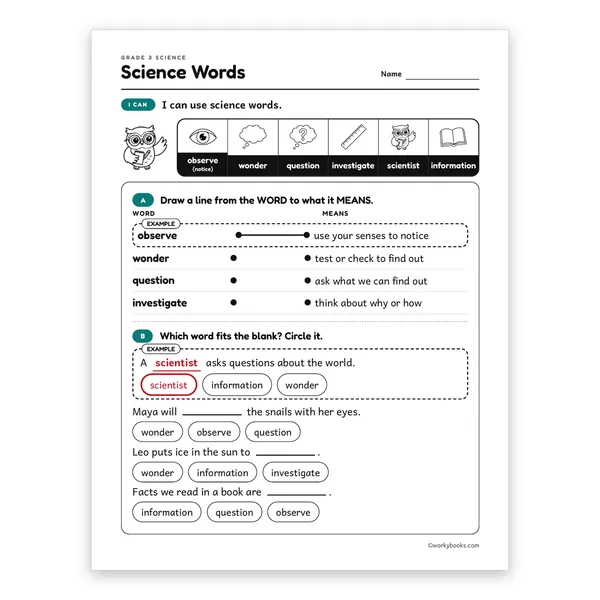
This worksheet on domain-specific words will help students learn some science vocabulary. Students will be asked to matc...
L.3.6L.3.4.A
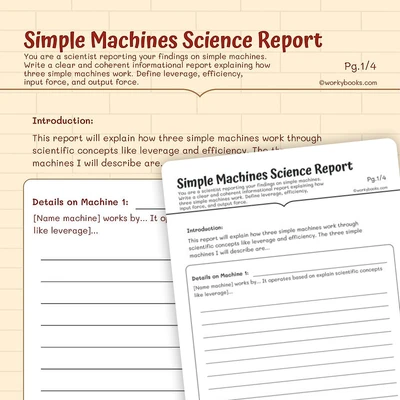
Simple Machines Science Report
This science writing task requires students to clearly explain how three simple machines work using precise domain-speci...
W.5.4
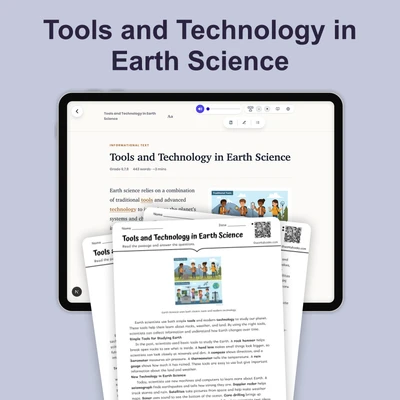
Tools and Technology in Earth Science
This middle school science reading passage explores the wide range of tools and technologies used in Earth science, from...
MS-ESS2-2MS-ESS3-2MS-ETS1-1MS-PS4-3
What Are Physical Changes?
This engaging Grade 4-5 science passage introduces students to the concept of physical changes in matter, aligning with ...
Selective Breeding and Genetic Engineering
This middle school science passage explores selective breeding and genetic engineering, aligning with NGSS standard MS-L...
MS-LS4-5
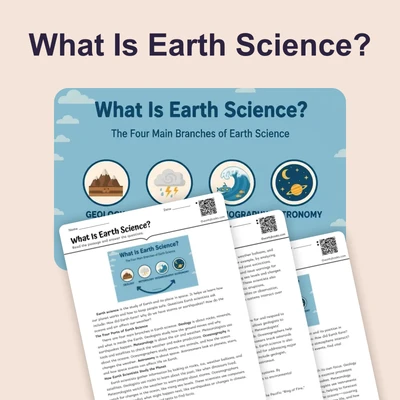
What Is Earth Science?
This engaging middle school science passage introduces students to the field of Earth science, aligning with NGSS standa...
MS-ESS1MS-ESS2MS-ESS3SEP
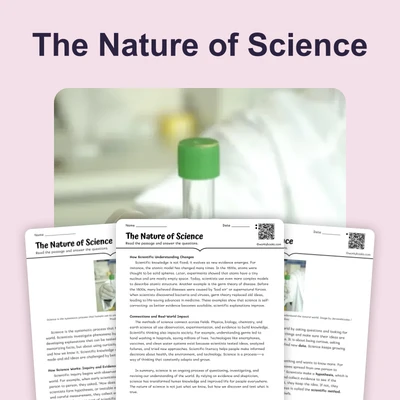
The Nature of Science
This passage explores the nature of science for middle school students, aligning with NGSS standards MS-ETS1-4, MS-PS1-1...
MS-ETS1-4MS-PS1-1MS-LS1-1
Evaporation as Physical Change
This middle school science passage examines the process of evaporation, a fundamental physical change where a liquid tur...
MS-PS1-4
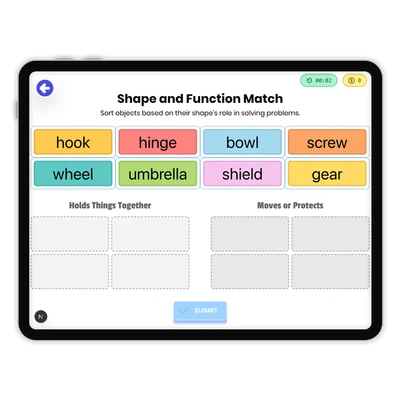
Shape and Function Match
Shape and Function Match' helps students explore how specific shapes, like wheels or screws, aid objects in solving prob...
How to Design Solutions for Natural Hazards
This 250-word reading passage introduces fourth-grade students to the engineering design process for solving natural haz...
NGSS 4-ESS3-2
Beach Day Science
This passage addresses NGSS K-PS3-1 by comparing temperature differences in materials exposed to sunlight versus shade. ...
K-PS3-1RL.1.1
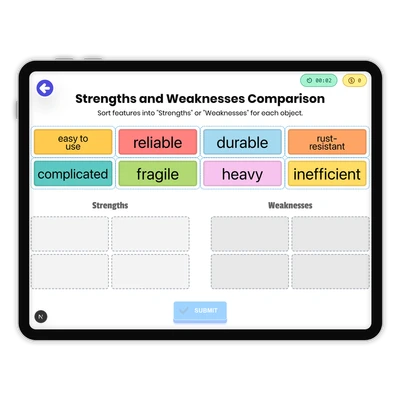
Strengths and Weaknesses Comparison
Strengths and Weaknesses Comparison' encourages students to analyze and categorize features of designs based on their ef...
Physical Properties of Matter
This comprehensive reading passage introduces grades 6-8 students to the concept of physical properties of matter, perfe...
MS-PS1-1
What Is a Physical Map?
This Grade 4-5 science passage introduces students to physical maps, explaining how these maps display natural features ...
5-ESS2-1RI.3.1RI.3.4RI.4.3
Citizen Science and Ecological Monitoring
This engaging passage for grades 6-8 introduces the concept of citizen science and its critical role in ecological monit...
MS-LS2-1
Physical Changes: Condensation
This middle school science passage explores the process of condensation, the physical change where a gas becomes a liqui...
MS-PS1-4
Sublimation as Physical Change
This educational passage for grades 6-8 explores the science of sublimation—a physical change where a solid transforms d...
MS-PS1-4
How Scientists Use Physical Models to Study Earth
This comprehensive middle school science passage explores how scientists and engineers model landforms using both physic...