Ancient Chinese Writing
Interactive passage with audio narration, comprehension questions, and printable PDF.
By completing this purchase you agree to our Terms of Use and Privacy Policy. Your subscription renews automatically until you cancel. You can cancel anytime from your account settings. All sales are final and non-refundable. Digital content is available for download in your account immediately upon purchase.
What's included
Ancient Chinese Writing preview and details
About this printable Ancient Chinese Writing reading passage (Grades 5-8)
Sample passage and quiz from Ancient Chinese Writing
Reading passage and comprehension quiz preview
Ancient Chinese Writing
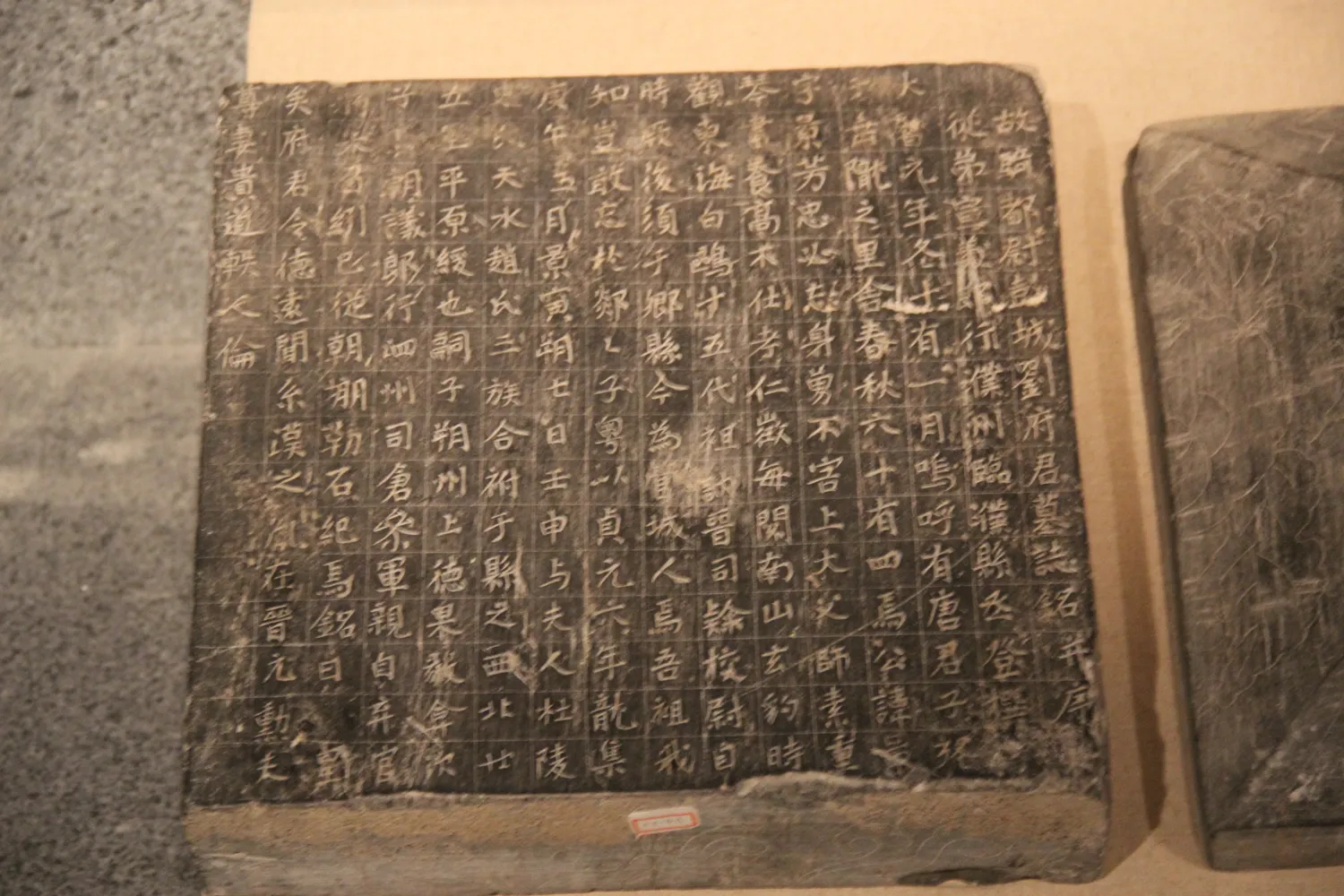
"Ancient Chinese Writing on Stone with Small Characters" by Gary Todd /
Source: Wikimedia Commons (CC0).
Chinese characters, known as logograms, have formed the foundation of written communication in China for over 3,000 years. This unique writing system is one of the oldest still in use today. Unlike alphabetic writing, Chinese characters represent whole words or ideas, not just sounds. The earliest evidence of Chinese writing comes from the Shang Dynasty (around 1200 BCE), where characters were carved on oracle bones—pieces of animal bone or turtle shell used for divination.
The development of Chinese characters was closely tied to religion, government, and daily life. The characters found on oracle bones recorded questions kings asked about the future, such as harvests or military campaigns. These early inscriptions give historians valuable primary sources to study ancient beliefs and practices. Over the centuries, the writing system evolved through several dynasties, including the Zhou, Qin, and Han. Each period brought changes to the form and use of characters. For example, during the Qin Dynasty (221–206 BCE), the First Emperor standardized the script, making it easier to govern a large empire. This standardization helped unify China and made communication more efficient across regions.
Writing in Chinese was not limited to the elite. Over time, more people learned to read and write, especially during the Han Dynasty when education expanded. Calligraphy, the art of beautiful writing, became a respected skill. Scribes and officials used brushes and ink to produce government records, poetry, and literature. Archaeological discoveries, such as bamboo slips and silk manuscripts, show how writing spread beyond royal courts. The structure of Chinese society also shaped the use of writing. Scholars and officials held high status because of their literacy, while farmers and craftspeople usually had less access to education. Still, the visual nature of characters made them recognizable to many, even those who could not write themselves.
Chinese characters have shown remarkable continuity over millennia. While the shapes and styles changed, the basic system stayed the same. Even today, people in China, Japan, and other parts of East Asia use characters descended from these ancient forms. The writing system connected people across different languages and dialects because the characters represent ideas, not just sounds. This helped preserve history, culture, and government records through times of war and peace.
The story of Chinese characters illustrates how geography, politics, and society interact to shape human communication. The system’s endurance highlights the importance of writing in building and maintaining civilizations. Studying Chinese characters gives insight into the achievements and daily life of ancient China, and connects to other ancient writing systems studied in world history.
Interesting Fact: The oldest known Chinese characters, found on oracle bones, sometimes include early versions of the word for "king" written as a simple stick figure with three horizontal lines!
Comprehension quiz (8 questions)
1. When did Chinese writing first appear?
2. What material were oracle bones made from?
3. Which dynasty unified the Chinese script?
4. Why was standardizing writing important?
5. What is calligraphy?
6. How did characters help different regions?
7. True or false: Chinese characters only changed once.
8. What does the word "status" mean?
Perfect for the way you teach
- Build comprehension skills
- Auto-graded quiz
- Differentiated reading
- Read together at home
- Improve fluency
- Quiet reading time
- Reading curriculum support
- Independent practice
- Track Lexile growth