Competition
Interactive passage with audio narration, comprehension questions, and printable PDF.
By completing this purchase you agree to our Terms of Use and Privacy Policy. Your subscription renews automatically until you cancel. You can cancel anytime from your account settings. All sales are final and non-refundable. Digital content is available for download in your account immediately upon purchase.
What's included
Competition preview and details
About this printable Competition science reading passage, NGSS-aligned (Grades 5-8)
Sample passage and quiz from Competition
Reading passage and comprehension quiz preview
Competition
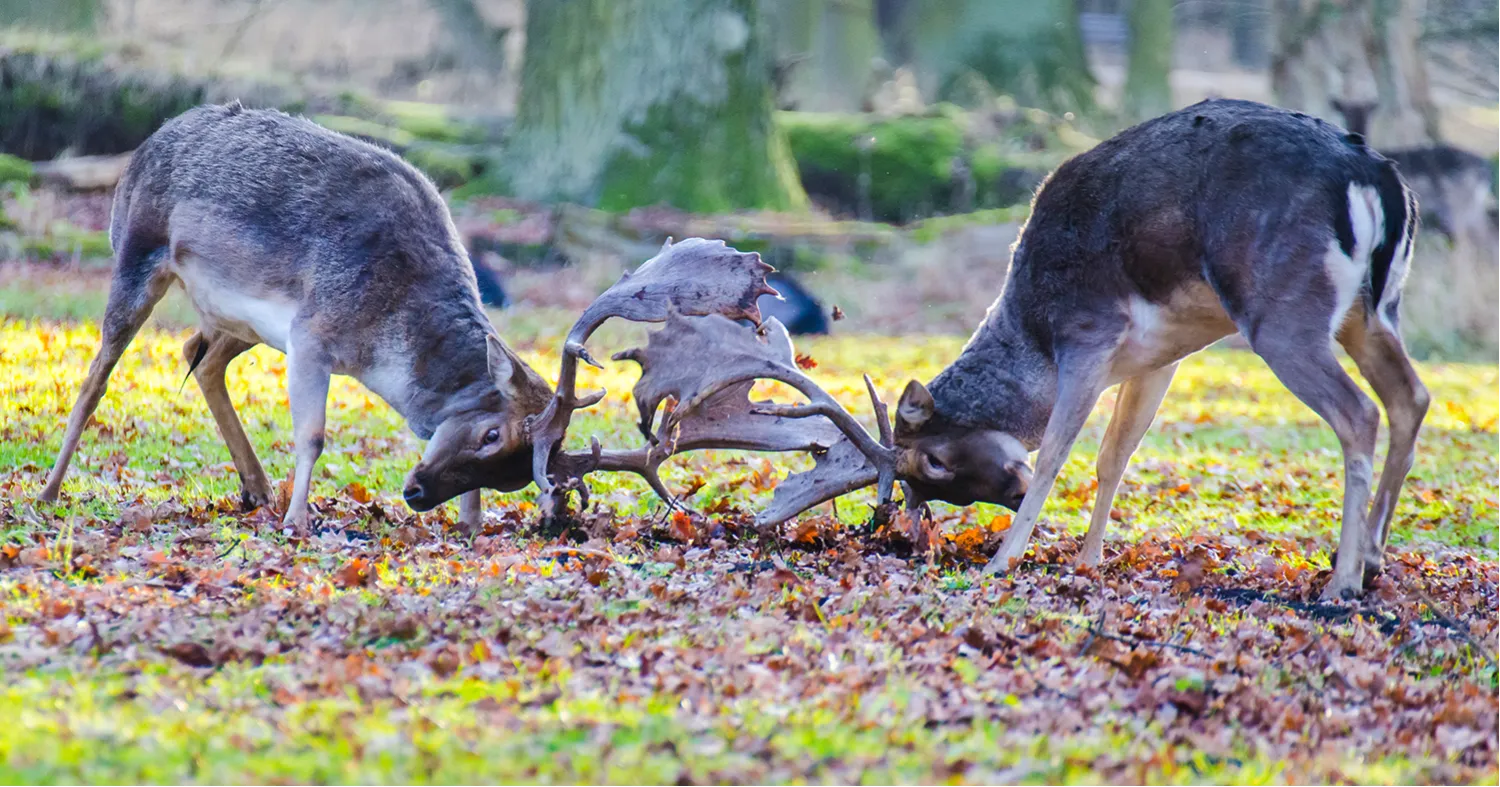
Competition is a powerful force that shapes the structure of ecosystems. In every environment, organisms must obtain resources—such as food, water, shelter, or sunlight—to survive and reproduce. However, these resources are often limited, leading to competition. This process not only determines which species thrive, but also influences population sizes and the diversity of life found in an area.
How Competition Works in Ecosystems
When multiple organisms need the same resource, competition occurs. Intraspecific competition happens among individuals of the same species, such as oak trees growing close together competing for sunlight and nutrients. Interspecific competition takes place between different species; for example, lions and hyenas compete for prey in the African savanna. The competitive exclusion principle states that two species cannot occupy the exact same niche in a habitat for a long time. Eventually, one species will outcompete the other, leading to population decline or even local extinction for the less competitive species. Scientists have observed this in experiments with Paramecium, where one species always outcompeted the other when grown together under the same conditions.
Resource Partitioning and Coexistence
To reduce direct competition, many species use resource partitioning. This means they divide resources by using them in different ways or at different times. A classic example is North American warblers. These small birds all eat insects found in spruce trees, but each species feeds at a specific height and part of the tree. By specializing in different microhabitats, they minimize overlap and can coexist. This process can lead to character displacement, where competing species evolve distinct traits—such as different beak sizes or feeding behaviors—to reduce competition. Over time, these adaptations help maintain biodiversity in ecosystems.
Impacts on Populations and Niches
Competition affects population size and the niche each species occupies. If competition is intense, populations may decrease until only the best-adapted individuals survive. Species may also shift or narrow their niches—what they eat, where they live, or when they are active—to reduce competition. For instance, some desert plants flower at different times to avoid competing for pollinators. These changes have ripple effects throughout the ecosystem, influencing food webs and the stability of the community.
Understanding competition helps scientists predict how ecosystems respond to changes, such as habitat loss or the introduction of new species. By studying these interactions, we learn how to protect biodiversity and maintain healthy environments.
Interesting Fact:
Some researchers estimate that up to 80% of all animal and plant interactions in an ecosystem involve competition for resources.
Comprehension quiz (10 questions)
1. What is competition in an ecosystem?
2. Which statement best describes intraspecific competition?
3. According to the passage, what does the competitive exclusion principle state?
4. In the warbler example, how do the different species reduce competition?
5. What is resource partitioning?
6. What is meant by 'niche' in the passage?
7. Why might species shift or narrow their niches?
8. Which of the following is an example of character displacement?
9. True or False: Competition can affect the population size of a species.
10. True or False: Resource partitioning always leads to extinction.
Perfect for the way you teach
- Build comprehension skills
- Auto-graded quiz
- Differentiated reading
- Read together at home
- Improve fluency
- Quiet reading time
- Reading curriculum support
- Independent practice
- Track Lexile growth