Predators and Scavengers of Savanna — Reading Comprehension
Rate this
Premium Resource
Present
Present in classroom. No work saved
Assign
Classroom with student accounts, Track progress
Quick Play
No student accounts, assign with a link
Grades
5
6
7
8
Standards
MS-LS2-1
MS-LS2-2
MS-LS2-4
PRINT+DIGITAL RESOURCE
This learning resource is available in interactive and printable formats. The interactive worksheet can be played online and assigned to students. The Printable PDF version can be downloaded and printed for completion by hand.
This comprehensive science passage introduces middle school students to the vital roles of predators and scavengers in ecosystems, aligning with NGSS MS-LS2-1, MS-LS2-2, and MS-LS2-4. Students will learn how predators control populations, how scavengers recycle nutrients, and how these interactions maintain ecosystem balance. With a direct, phenomenon-based introduction and mechanistic explanations, the passage connects biological concepts such as energy flow, food webs, and decomposition. Real-world examples include wolves, vultures, and crabs, with quantitative information about nutrient cycling. The resource includes a glossary, Spanish translation, differentiated text for struggling readers, quiz, writing prompts, and graphic organizers. Audio integration supports diverse learners. This resource is ideal for classroom or independent study and provides engaging, standards-based content for grades 6-8.
CONTENT PREVIEW
Expand content preview
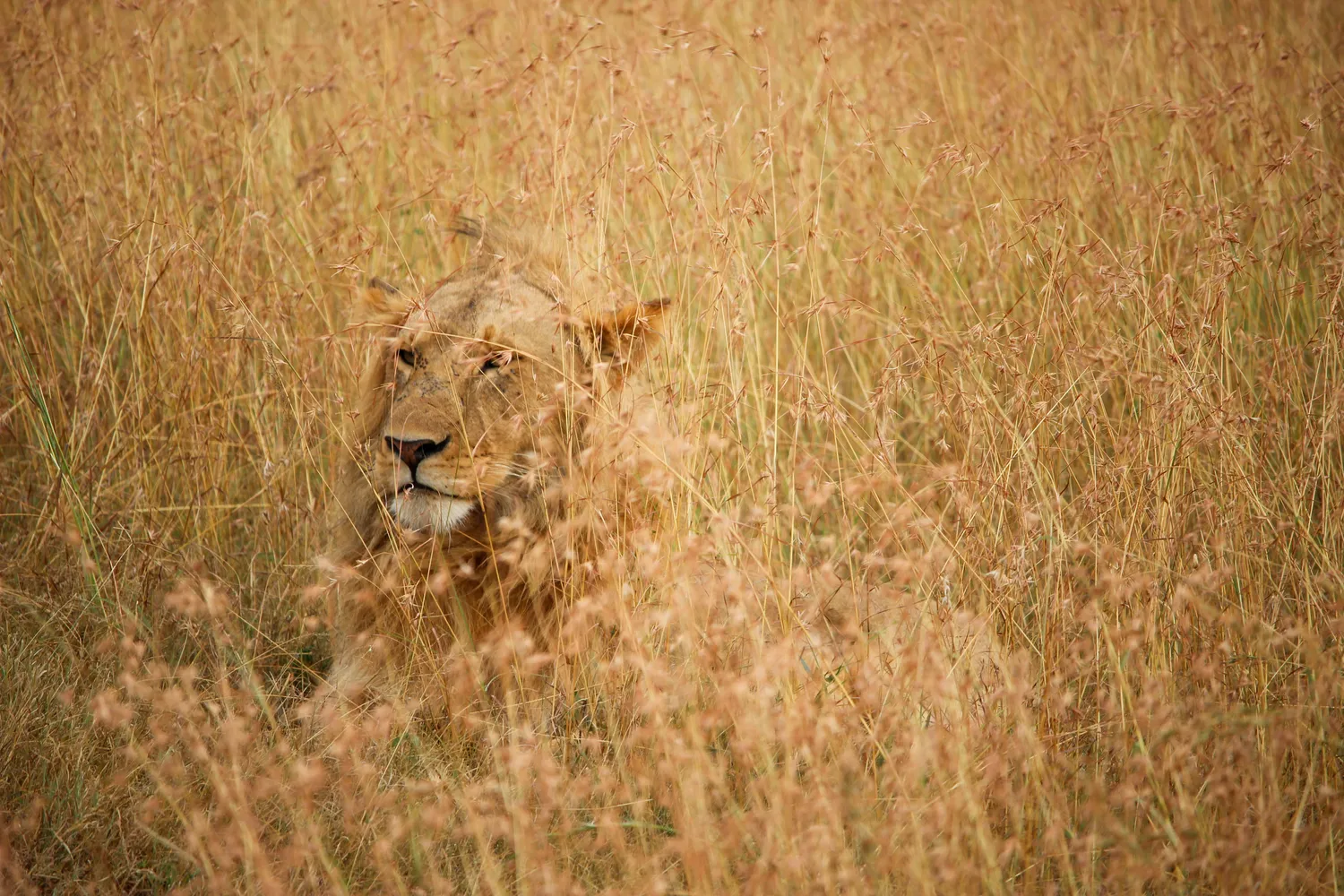
Masai Mara Game Reserve, Kenya by Lisa H / Wikimedia Commons (CC0).
Predators and scavengers play essential roles in every ecosystem. When a wolf hunts a deer or a vulture feeds on an animal carcass, these actions affect many other living things in their environment. The presence of these organisms helps maintain the balance of plant and animal populations, supporting the health of the entire ecosystem. Understanding how predators and scavengers interact with their surroundings reveals important cause-and-effect relationships within the natural world.
How Predators Control Populations
A predator is an organism that hunts, captures, and consumes other animals, known as prey. Wolves are classic examples of predators, preying on deer, elk, and smaller mammals. When wolves hunt deer, they reduce the number of deer in the population. This prevents overgrazing, which can damage plants and soil. In some regions, when predators are removed, prey populations can increase by over 50%, leading to ecosystem imbalance. Predators often target weaker or sick animals, which helps keep prey populations healthier. These actions demonstrate a chain of effects: predator presence → fewer prey animals → healthier plant life → more stable habitats for other species.
The Role of Scavengers in Nutrient Cycling
Scavengers are organisms that feed on dead or decaying animals. Unlike predators, scavengers such as vultures, hyenas, and crabs do not hunt live prey. Instead, they consume remains left behind by predators or natural deaths. This process, called decomposition, is vital for recycling nutrients back into the ecosystem. When a vulture eats a carcass, it breaks down tissues that would otherwise rot and attract harmful bacteria. Research shows that vultures can remove up to 70% of carrion in some habitats, reducing disease spread and promoting soil fertility. Scavengers work together with decomposers like bacteria and fungi, completing the nutrient cycle by breaking down what remains even further.
Interactions and Ecosystem Balance
Predators and scavengers are linked in food webs. After a predator like a wolf kills an animal, scavengers arrive to consume the leftovers. This interaction ensures that energy and nutrients are not wasted. In coastal areas, crabs and gulls act as both predators and scavengers, depending on food availability. Human activities, such as removing top predators or poisoning scavenger species, can disrupt these relationships. For example, the decline of vulture populations in India led to increased disease because more carcasses were left to rot, showing the importance of every link in the ecosystem.
Predators and scavengers demonstrate how living things are interconnected. By controlling populations and recycling nutrients, they help keep ecosystems healthy and resilient. These roles illustrate broader scientific principles, such as energy transfer, matter cycling, and the stability of complex systems. As scientists continue to study these organisms, they uncover deeper connections that guide conservation and ecosystem management strategies.
Interesting Fact: Vultures have stomach acid strong enough to dissolve anthrax and rabies viruses, making them nature’s disease control experts!
What is the main role of a predator in an ecosystem?
To hunt and eat other animalsTo clean up dead materialTo produce food from sunlightTo break down plant matter
Which organism is a scavenger?
WolfVultureElkDeer
What happens to prey populations if predators are removed?
Prey populations decreasePrey populations stay the samePrey populations increasePredators increase
What is 'decomposition' as described in the passage?
The process of hunting live animalsThe process of breaking down dead materialThe process of growing plantsThe process of building habitats
In the passage, which word best describes an animal hunted by a predator?
ScavengerDecomposerPreyCarrion
What is the effect of vultures removing up to 70% of carrion in their habitats?
It increases disease spreadIt reduces disease and helps soilIt decreases plant growthIt increases prey populations
How do predators help plants in their ecosystem?
By eating only plantsBy reducing prey that eat plantsBy decomposing dead plantsBy making more prey
If scavenger populations decline, what might increase according to the passage?
Plant growthAmount of uneaten carrionPredator numbersPrey health
True or False: Scavengers hunt and kill their own prey.
TrueFalse
True or False: Predators and scavengers both help keep ecosystems balanced.
TrueFalse
Perfect For:
👩🏫 Teachers
• Reading comprehension practice
• Auto-graded assessments
• Literacy skill development
👨👩👧👦 Parents
• Reading practice at home
• Comprehension improvement
• Educational reading time
🏠 Homeschoolers
• Reading curriculum support
• Independent reading practice
• Progress monitoring
Reading Features:
📖
Reading Passage
Engaging fiction or nonfiction text
❓
Comprehension Quiz
Auto-graded questions
📊
Instant Feedback
Immediate results and scoring
📄
Printable Version
Download for offline reading
🔊
Read Aloud
Voice-over with word highlighting
Reviews & Ratings
No reviews yet. Be the first to share your experience!
Related Content
The Narwhal: Arctic’s Unicorn of the Sea
This NGSS-aligned passage (MS-LS2-1) explores how narwhals survive in Arctic ecosystems. Students learn about specialize...
MS-LS2-1RI.6.3RI.7.3RI.8.8
The Blue-Ringed Octopus
This NGSS aligned passage explores how the tiny blue-ringed octopus impacts its ecosystem through predator-prey relation...
MS-LS2-1RI.6.3RI.7.3RI.8.8
Tardigrades: Microscopic Superheroes
Aligned to MS-LS1-1, this passage examines how tardigrade cell structures (TDP proteins, DNA-repair enzymes) allow survi...
MS-LS2-1RI.6.3RI.7.3RI.8.8
The Leafy Sea Dragon: Nature's Living Seaweed
This NGSS-aligned passage explores how leafy sea dragons (Phycodurus eques) demonstrate key life science concepts for mi...
MS-LS2-1RI.6.3RI.7.3RI.8.8
What Do Axolotls Eat?
This science reading passage, titled "What Do Axolotls Eat?", offers an engaging exploration into the feeding habits of ...
MS-LS2-1
Where Do Axolotls Live?
This science reading passage, titled "The Axolotl's Home," delves into the specific natural environment of the fascinati...
MS-LS4-DMS-LS2-1
The Blobfish
This science reading passage, titled "The Blobfish: A Deep-Sea Mystery," introduces students to one of Earth's most pecu...
MS-LS4-DMS-LS2-1
What Do Blobfish Eat?
This science reading passage, titled "What Do Blobfish Eat?", offers an engaging exploration into the feeding habits of ...
MS-LS2-1
Where Do Penguins Live?
This engaging science reading passage, titled "Where Do Penguins Live? A Cold and Coastal World," clarifies the diverse ...
MS-LS2-1
The Emperor Penguin
This science reading passage, titled "The Emperor Penguin: Antarctica's Royal Survivor," introduces students to one of t...
MS-LS2-1
The Adélie Penguin
This engaging science reading passage, titled "The Adélie Penguin: Antarctica's Little Explorer," introduces students to...
MS-LS2-1
How Does Global Warming Affect Adélie Penguins?
This comprehensive science passage, titled "How Does Global Warming Affect Adélie Penguins?", details the significant im...
MS-LS2-1
Desert Birds
This informational passage for grades 6-8 examines how desert birds survive and thrive in some of the harshest environme...
MS-LS2-1MS-LS2-2MS-LS1-4
Abiotic Factors in Ecosystems
This comprehensive informational reading passage is designed for middle school science students and aligns with NGSS sta...
MS-LS2-1
Biomes: Terrestrial Ecosystems
This NGSS-aligned science reading passage for grades 6-8 provides a comprehensive survey of Earth’s major terrestrial bi...
MS-LS2-1
Biomes: Aquatic Ecosystems
This middle school science passage, aligned with NGSS standard MS-LS2-1, introduces students to the key features and mec...
MS-LS2-1
Galápagos Islands
This engaging science passage explores the Galápagos Islands, a volcanic archipelago located off the coast of Ecuador in...
MS-LS2-1MS-LS4-4MS-ESS3-4
Florida Everglades
This comprehensive passage introduces middle school students to the Florida Everglades, a distinctive wetland ecosystem ...
MS-LS2-1MS-LS2-4MS-ESS3-3MS-ESS3-4
Great Barrier Reef
This passage introduces middle school students to the Great Barrier Reef, the world's largest coral reef system, located...
MS-LS2-1MS-LS2-4MS-ESS3-5
Wetland Biomes
This comprehensive science passage introduces middle school students to the concept of wetland biomes. Aligned with NGSS...