KnovaKNOVA — A free reading app with curriculum-aligned passages on History & Science for Grades 3-8

How Many Valence Electrons Does Chlorine Have? — Reading Comprehension
Premium Resource
Grades
  • 5
  • 6
  • 7
  • 8
Standards
  • MS-PS1-2
  • MS-PS1-4
SHARE

About This Reader

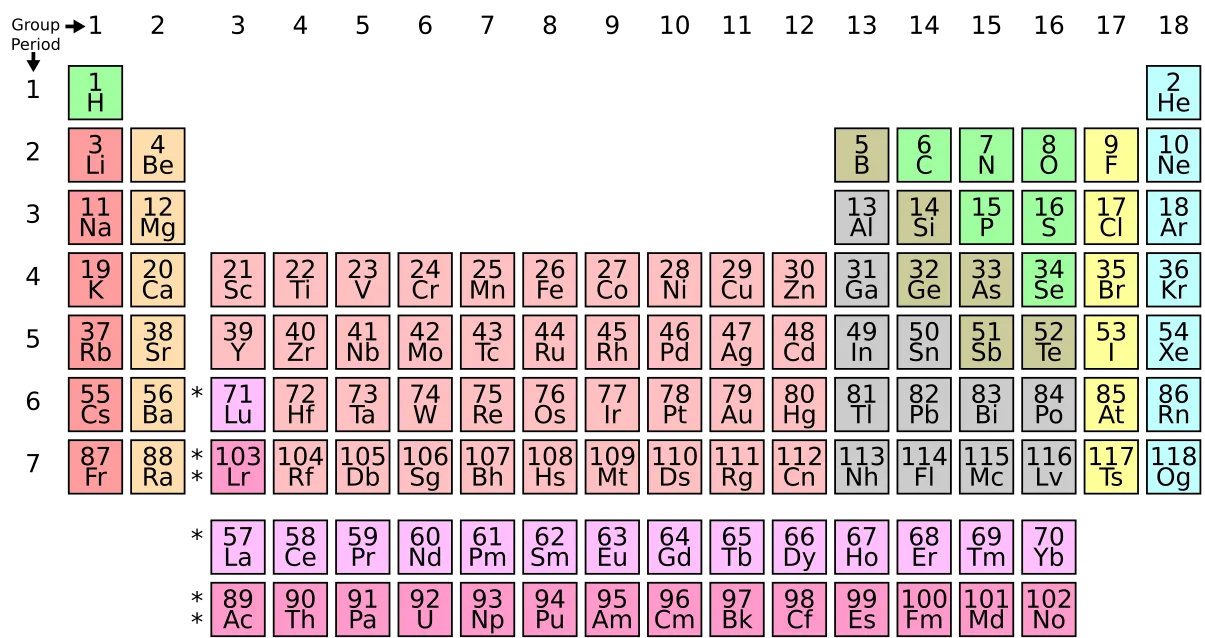
This NGSS-aligned science reading passage explains how many valence electrons chlorine has and why that makes it such a reactive element. Chlorine has 17 total electrons, with 7 in its outermost shell, making it one electron short of a full shell. The passage discusses the octet rule, chemical bonding, and how chlorine combines with other elements like sodium to form compounds such as salt (NaCl). This passage supports NGSS standard MS-PS1-1 by helping students understand atomic structure, periodic table grouping, and the role of electrons in chemical behavior. Multiple-choice questions reinforce key vocabulary, science reasoning, and reading comprehension, making it ideal for middle school learners.

Perfect For:

👩‍🏫 Teachers
  • • Reading comprehension practice
  • • Auto-graded assessments
  • • Literacy skill development
👨‍👩‍👧‍👦 Parents
  • • Reading practice at home
  • • Comprehension improvement
  • • Educational reading time
🏠 Homeschoolers
  • • Reading curriculum support
  • • Independent reading practice
  • • Progress monitoring

Reading Features:

📖
Reading Passage
Engaging fiction or nonfiction text
Comprehension Quiz
Auto-graded questions
📊
Instant Feedback
Immediate results and scoring
📄
Printable Version
Download for offline reading
🔊
Read Aloud
Voice-over with word highlighting
Stratigraphy: Reading Earth's Layered History - reading educational content
Stratigraphy: Reading Earth's Layered History
This passage explains stratigraphy as the study of rock layers to interpret Earth's history. Aligned with NGSS MS-ESS1-4...
MS-ESS2-1MS-PS1-2RST.6-8.3
The Melting Point of Aluminum - reading educational content
The Melting Point of Aluminum
This science reading passage, 'The Melting Point of Aluminum,' introduces middle school students to the physical propert...
5-PS1MS-PS1-4RI.6.3RI.7.1
The Melting Point of Copper - reading educational content
The Melting Point of Copper
This reading passage, 'The Melting Point of Copper,' introduces middle school students to an important physical property...
5-PS1MS-PS1-4RI.6.3RI.7.1
Freezing Point Depression - reading educational content
Freezing Point Depression
This passage, 'Freezing Point Depression,' introduces students to the physical science concept of how adding substances ...
5-PS1MS-PS1-4RI.6.3RI.7.1
The Melting Point of Substances - reading educational content
The Melting Point of Substances
This middle school science reading passage, titled 'The Melting Point of Substances', explores the physical property kno...
5-PS1MS-PS1-4RI.6.3RI.7.1
The Boiling Point of Water - reading educational content
The Boiling Point of Water
This passage, 'The Boiling Point of Water,' introduces students to the physical property of boiling point through one of...
5-PS1MS-PS1-4RI.6.3RI.7.1
Biological Weathering: Types and Examples - reading educational content
Biological Weathering: Types and Examples
This passage details biological weathering processes, connecting to NGSS MS-ESS2-1 (Earth's systems) and LS2.B (ecosyste...
MS-ESS2-1MS-PS1-2RST.6-8.3
The Melting Point of Steel - reading educational content
The Melting Point of Steel
This engaging science passage, 'The Melting Point of Steel,' explains a key physical property of steel—its melting point...
5-PS1MS-PS1-4RI.6.3RI.7.1
Is Sublimation Endothermic or Exothermic? - reading educational content
Is Sublimation Endothermic or Exothermic?
This NGSS-aligned science passage for middle school explains the thermodynamic nature of sublimation, showing how a soli...
MS-PS1-4HS-PS1
How Many Valence Electrons Does Oxygen Have? - reading educational content
How Many Valence Electrons Does Oxygen Have?
This NGSS-aligned science reading passage teaches middle school students about the number of valence electrons in oxygen...
MS-PS1-2MS-PS1-4
The Density of Water - reading educational content
The Density of Water
"This NGSS-aligned science passage explains the density of water in a way that is clear and engaging for middle school s...
MS-PS1-2
What Is Vapor Pressure? - reading educational content
What Is Vapor Pressure?
This NGSS-aligned science passage explains the concept of vapor pressure in an age-appropriate, engaging way for middle ...
MS-PS1-4MS-LS1-2
What is Freezing Point Depression - reading educational content
What is Freezing Point Depression
This passage, 'Freezing Point Depression,' introduces students to the physical science concept of how adding substances ...
5-PS1MS-PS1-4RI.6.3RI.7.1
Chemical Properties of Matter - reading educational content
Chemical Properties of Matter
This engaging middle school science passage explores the chemical properties of matter, focusing on how these properties...
MS-PS1-2
Solids, Liquids, and Gases - reading educational content
Solids, Liquids, and Gases
This comprehensive middle school science passage explains the scientific concepts behind the three common states of matt...
MS-PS1-4
Behavior of Gases - reading educational content
Behavior of Gases
This comprehensive reading passage explores the behavior of gases for middle school students, aligned with NGSS standard...
MS-PS1-4
Changes of State Overview - reading educational content
Changes of State Overview
This informational science passage for grades 6-8 provides a comprehensive overview of changes of state, or phase change...
MS-PS1-4
Physical Changes: Freezing - reading educational content
Physical Changes: Freezing
This comprehensive science passage for grades 6-8 delves into the process of freezing—a key physical change where liquid...
MS-PS1-4
Physical Changes: Melting - reading educational content
Physical Changes: Melting
This comprehensive science passage for grades 6-8 introduces the concept of melting as a physical change, explaining how...
MS-PS1-4
Copyright © 2025 Workybooks. Made with ♥ in California.