Women's Suffrage Movement
Interactive passage with audio narration, comprehension questions, and printable PDF.
By completing this purchase you agree to our Terms of Use and Privacy Policy. Your subscription renews automatically until you cancel. You can cancel anytime from your account settings. All sales are final and non-refundable. Digital content is available for download in your account immediately upon purchase.
What's included
Part of this bundle

Women's Suffrage Movement preview and details
About this printable Women's Suffrage Movement reading passage (Grades 3-5)
Sample passage and quiz from Women's Suffrage Movement
Reading passage and comprehension quiz preview
Women's Suffrage Movement
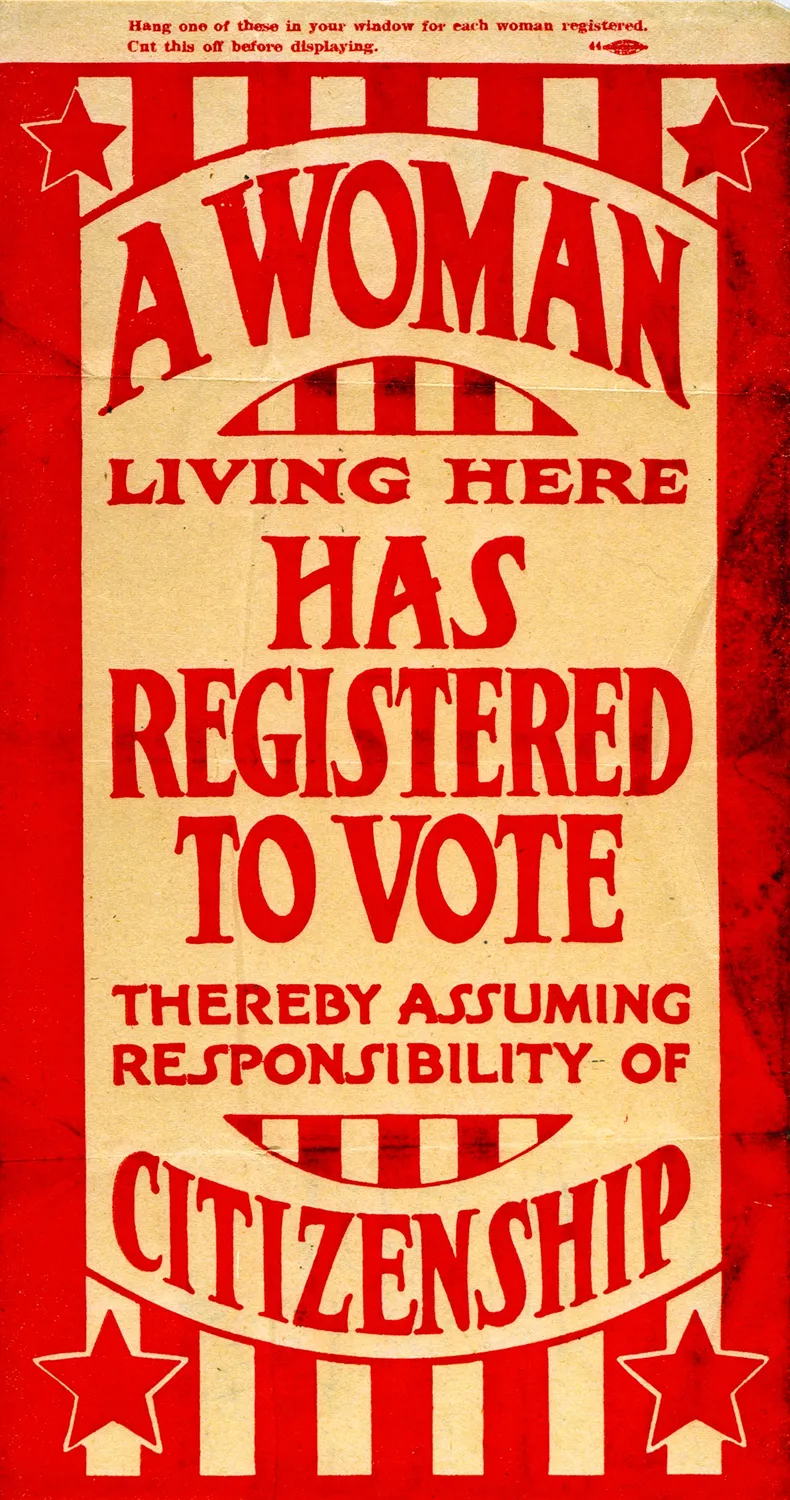
The Women's Suffrage Movement was a long struggle to win women the right to vote in the United States. In the early 1800s, women could not vote in elections. Only men were allowed to have a say in government decisions. Many women believed this was not fair and wanted equal rights.
In 1848, a group of women and men held a meeting called the Seneca Falls Convention in New York. There, leaders like Elizabeth Cady Stanton and Lucretia Mott spoke out for women's rights. They wrote a document called the Declaration of Sentiments, which demanded voting rights for women. This meeting started the Women's Suffrage Movement.
For the next 72 years, women and their supporters worked hard for change. They organized marches, gave speeches, wrote letters to lawmakers, and held protests. Some women, called suffragettes, even went to jail for their actions. One famous leader, Susan B. Anthony, was arrested for trying to vote in 1872. She spent her life fighting for equality.
The fight was not easy. Many people did not agree that women should vote. Suffragettes faced angry crowds and harsh treatment. Still, they did not give up. In the early 1900s, groups like the National American Woman Suffrage Association and the National Woman's Party used parades and hunger strikes to get attention.
Finally, their hard work paid off. In 1920, the United States passed the 19th Amendment to the Constitution. This law gave women the right to vote. Women across the country celebrated. They had changed history by standing together and never giving up.
The Women's Suffrage Movement showed the power of bravery, teamwork, and hope. It helped make the United States a more fair and equal place for everyone.
Interesting Fact: The word "suffrage" means the right to vote in political elections. It does not mean suffering.
Comprehension quiz (8 questions)
1. What year did Seneca Falls Convention happen?
2. Who was arrested for voting in 1872?
3. What did the 19th Amendment do?
4. Why did suffragettes hold marches?
5. How did the movement show bravery?
6. What was the main goal of suffragettes?
7. The word 'suffrage' means to suffer.
8. What does 'equality' mean?
Common Core standards for Women's Suffrage Movement
Determine the meaning of general academic and domain-specific words or phrases in a text relevant to a grade 4 topic or subject area.
Perfect for the way you teach
- Build comprehension skills
- Auto-graded quiz
- Differentiated reading
- Read together at home
- Improve fluency
- Quiet reading time
- Reading curriculum support
- Independent practice
- Track Lexile growth