This learning resource is available in interactive and printable formats. The interactive worksheet can be played online and assigned to students. The Printable PDF version can be downloaded and printed for completion by hand.
This 250-word reading passage introduces fourth-grade students to the science behind Wi-Fi technology, aligned with NGSS standard 4-PS4-3. Students discover how Wi-Fi uses invisible radio waves to transmit information between devices without physical wires. The passage explains that routers convert digital information into radio wave signals that travel through the air at the speed of light. Devices receive these electromagnetic waves through antennas and convert them back into digital information visible on screens. The text addresses how walls and distance can block or weaken Wi-Fi signals, providing real-world context for this everyday technology. Audio-integrated features support diverse learners by allowing students to listen to the passage while reading along. The passage uses age-appropriate vocabulary and includes bolded key terms with immediate definitions. Students explore the concept that digitized signals sent as wave pulses can encode and transmit information, a fundamental principle of modern communication technology. Accompanying activities include multiple-choice comprehension questions, writing prompts, and graphic organizers that reinforce understanding of how wireless communication works. This resource helps students build foundational knowledge about electromagnetic waves and information transfer, preparing them for hands-on investigations and class discussions about wireless technology in their daily lives.
CONTENT PREVIEW
Expand content preview
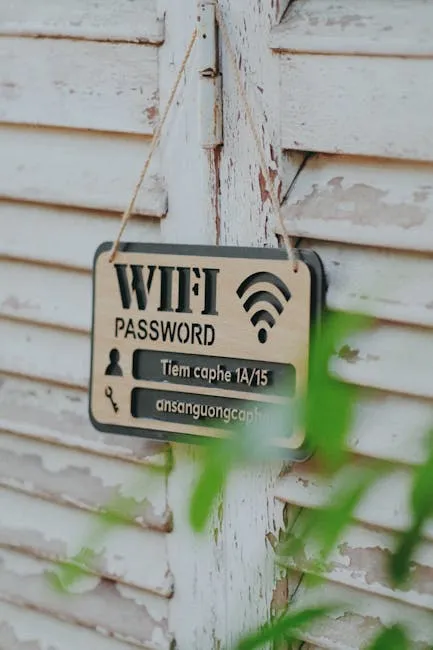
Image credit Pew Nguyen / Pexels.
Wi-Fi is a technology that lets devices share information without using wires. Wi-Fi helps you watch videos, play games, and look up information on tablets, phones, and computers without plugging them into anything.
Wi-Fi works by using invisible radio waves—a type of energy wave that travels through the air. A device called a router is the starting point. The router takes digital information, like a webpage or video, and changes it into radio wave signals. These signals travel through the air in all directions, similar to how ripples spread out when you drop a stone in water.
Your device has a special part called an antenna that catches these radio waves. The antenna works like a catcher's mitt catching a ball. Once your device receives the radio waves, it converts them back into digital information you can see on your screen.
Radio waves travel at the speed of light—about 186,000 miles per second! However, walls, floors, and distance can block or weaken the signals. That's why Wi-Fi works better when you're closer to the router.
Wi-Fi is one example of using electromagnetic waves to transfer information. These waves carry digitized signals as pulses that encode data, allowing wireless communication between devices.
What does a router do?
Catches radio waves from the airChanges information into radio wave signalsBlocks walls and floorsMakes devices work without batteries
What part catches radio waves?
The screenThe batteryThe antennaThe router
How fast do radio waves travel?
As fast as a carAs fast as soundAt the speed of lightVery slowly through walls
Why does Wi-Fi work better closer?
Routers only send signals short distancesDevices need to see the routerWalls and distance weaken the signalsRadio waves stop after ten feet
What do electromagnetic waves carry?
Water through pipesElectricity through wiresInformation as digitized signalsLight through windows
How do radio waves spread?
In one straight line onlyIn all directions like ripplesOnly up and downThrough wires and cables
Radio waves are visible to our eyes.
TrueFalse
What does digitized mean in this passage?
Information changed into signals for devicesMaking something very largeCounting with your fingersWriting with a pen
Perfect For:
👩🏫 Teachers
• Reading comprehension practice
• Auto-graded assessments
• Literacy skill development
👨👩👧👦 Parents
• Reading practice at home
• Comprehension improvement
• Educational reading time
🏠 Homeschoolers
• Reading curriculum support
• Independent reading practice
• Progress monitoring
Reading Features:
📖
Reading Passage
Engaging fiction or nonfiction text
❓
Comprehension Quiz
Auto-graded questions
📊
Instant Feedback
Immediate results and scoring
📄
Printable Version
Download for offline reading
🔊
Read Aloud
Voice-over with word highlighting
Reviews & Ratings
No reviews yet. Be the first to share your experience!
Related Content
How Antennas Work
This engaging 350-word science passage introduces elementary students to the fascinating world of antennas and signal tr...
NGSS 4-PS4-3
How Do Cell Phones Send Messages
This engaging 250-word reading passage introduces fourth-grade students to the fascinating process of how cell phones se...
NGSS 4-PS4-3
Patterns in Coded Messages
This engaging Grade 4-5 science passage explores how codes are systems of patterns that represent information, allowing ...
NGSS 4-PS4-3
What Is Morse Code
This engaging 250-word science passage introduces Grade 4-5 students to Morse code, a fascinating communication system t...
NGSS 4-PS4-3
Waves Carry Information
This 250-word reading passage introduces fourth-grade students to the fundamental concept that waves carry information f...
NGSS 4-PS4-3
Light Communication
This engaging 250-word reading passage introduces fourth-grade students to the fascinating world of light communication....
NGSS 4-PS4-3
Sound Communication
This engaging 250-word reading passage introduces fourth-grade students to the concept of sound communication aligned wi...
NGSS 4-PS4-3
What Are Signals
This engaging 250-word reading passage introduces fourth-grade students to the foundational concept of signals as descri...
NGSS 4-PS4-3
Comparing Communication Methods
This 250-word informational reading passage helps Grade 4 students compare different communication methods that use wave...