This learning resource is available in interactive and printable formats. The interactive worksheet can be played online and assigned to students. The Printable PDF version can be downloaded and printed for completion by hand.
This engaging 250-word reading passage introduces fourth-grade students to the concept of sound communication aligned with NGSS standard 4-PS4-3. Students explore how sound waves are used to communicate in everyday life through relatable examples including talking, telephones, car horns, and fire alarms. The passage explains that sound is a form of energy that travels through air as vibrations, carrying information from one place to another over short and moderate distances. Students learn how vocal cords create sound waves when people talk, how phones convert sound into electrical signals and back again, and how warning sounds like horns and alarms alert people to important information. The content builds foundational understanding of sound energy and wave properties without requiring prior physics knowledge. Audio-integrated features support diverse learners. Accompanying activities include reading comprehension questions testing recall and application, writing prompts requiring students to explain concepts and make real-world connections, and graphic organizers helping students analyze cause-and-effect relationships and compare different communication methods. A simplified differentiated version ensures accessibility for all reading levels. Spanish translations of both passages support English language learners. This standards-aligned resource prepares students for hands-on sound investigations while developing scientific vocabulary and critical thinking skills essential for elementary physical science education.
CONTENT PREVIEW
Expand content preview
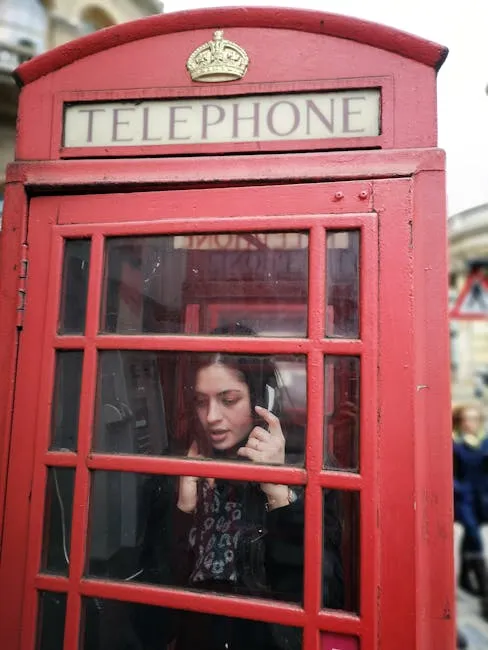
A woman using a vintage red telephone booth in London,. Image credit Constantin Adelina / Pexels.
Sound is a form of energy that travels through the air as vibrations. Vibrations are back-and-forth movements that happen very quickly. Sound helps us communicate, which means sharing information with others. Every day, we use sound to send messages and receive information from the world around us.
When you talk, your vocal cords vibrate and create sound waves. Vocal cords are small bands of tissue in your throat that move when air passes through them. These sound waves travel through the air to another person's ears. The other person's ears pick up the vibrations and turn them into sounds they can understand. This is how conversations work! Sound can travel short distances, like across a classroom, or moderate distances, like across a playground.
Many devices use sound to communicate. Telephones change your voice into electrical signals that travel through wires or through the air. When the signals reach another phone, they change back into sound waves so the other person can hear you. This lets people talk even when they are far apart.
Other sounds carry important information too. A car horn warns drivers and pedestrians about danger. A fire alarm alerts people to leave a building quickly. Warning sounds like these are designed to be loud and attention-grabbing so people notice them right away. Sound communication helps keep us safe and connected to others.
What is sound?
A form of energy that travelsA type of lightA kind of waterA piece of equipment
What are vibrations?
Slow movements that stop quicklyFast back-and-forth movementsSounds that are very quietLights that flash on and off
Where are vocal cords located?
In your earsIn your brainIn your throatIn your chest
How do telephones help people communicate?
They make sounds louder onlyThey change voices into electrical signalsThey stop sound from travelingThey only work close together
Why are warning sounds loud?
To hurt people's earsTo travel through walls betterTo grab attention quicklyTo make music
What carries sound from one place to another?
Light wavesWater dropsSound wavesElectrical wires only
Sound can only travel very short distances.
TrueFalse
What does communicate mean?
To make loud noisesTo share information with othersTo listen carefullyTo move very quickly
Perfect For:
👩🏫 Teachers
• Reading comprehension practice
• Auto-graded assessments
• Literacy skill development
👨👩👧👦 Parents
• Reading practice at home
• Comprehension improvement
• Educational reading time
🏠 Homeschoolers
• Reading curriculum support
• Independent reading practice
• Progress monitoring
Reading Features:
📖
Reading Passage
Engaging fiction or nonfiction text
❓
Comprehension Quiz
Auto-graded questions
📊
Instant Feedback
Immediate results and scoring
📄
Printable Version
Download for offline reading
🔊
Read Aloud
Voice-over with word highlighting
Reviews & Ratings
No reviews yet. Be the first to share your experience!
Related Content
How Antennas Work
This engaging 350-word science passage introduces elementary students to the fascinating world of antennas and signal tr...
NGSS 4-PS4-3
How Do Cell Phones Send Messages
This engaging 250-word reading passage introduces fourth-grade students to the fascinating process of how cell phones se...
NGSS 4-PS4-3
Patterns in Coded Messages
This engaging Grade 4-5 science passage explores how codes are systems of patterns that represent information, allowing ...
NGSS 4-PS4-3
What Is Morse Code
This engaging 250-word science passage introduces Grade 4-5 students to Morse code, a fascinating communication system t...
NGSS 4-PS4-3
How Does Wi-Fi Work
This 250-word reading passage introduces fourth-grade students to the science behind Wi-Fi technology, aligned with NGSS...
NGSS 4-PS4-3
Waves Carry Information
This 250-word reading passage introduces fourth-grade students to the fundamental concept that waves carry information f...
NGSS 4-PS4-3
Light Communication
This engaging 250-word reading passage introduces fourth-grade students to the fascinating world of light communication....
NGSS 4-PS4-3
What Are Signals
This engaging 250-word reading passage introduces fourth-grade students to the foundational concept of signals as descri...
NGSS 4-PS4-3
Comparing Communication Methods
This 250-word informational reading passage helps Grade 4 students compare different communication methods that use wave...