
Worksheet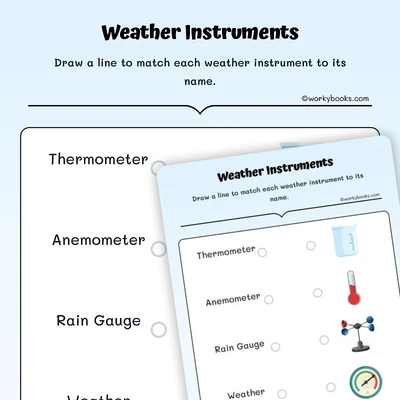
Grades K–5
Weather Instruments
Worksheet · NGSS K-ESS2-1
$1.50

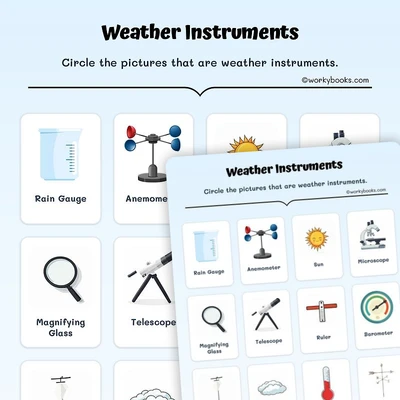
Explore our collection of weather instruments curriculum resources for grades K-8. From worksheets and reading passages to games and activities, this hub provides printable and digital materials that build understanding of tools like thermometers, barometers, anemometers, and rain gauges across elementary and middle school levels.
Worksheet · NGSS K-ESS2-1
Worksheet · NGSS 3-ESS2-1

Worksheet · NGSS K-ESS2-1
Reading Passage
Worksheet · NGSS 3-ESS2-1
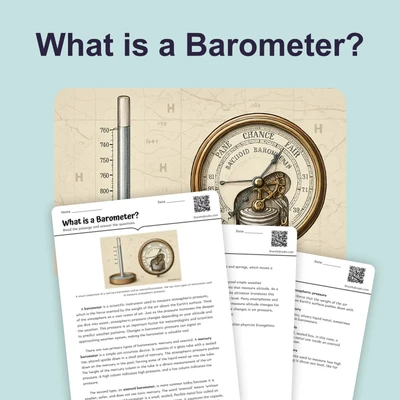
Reading Passage
40% off until Aug 1
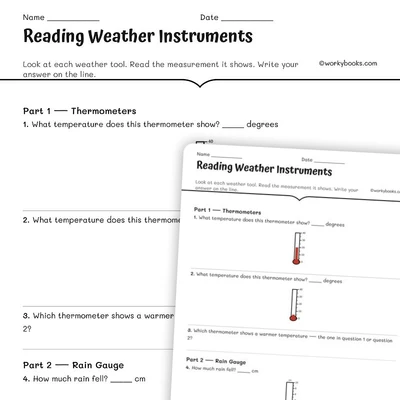
Worksheet · NGSS 3-ESS2-1
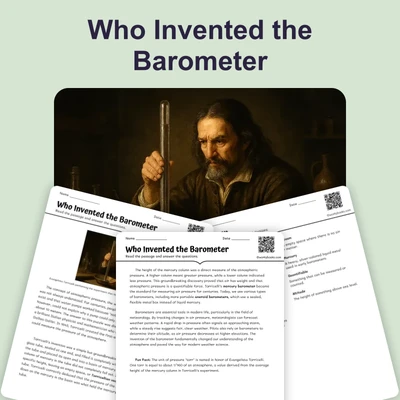
Reading Passage
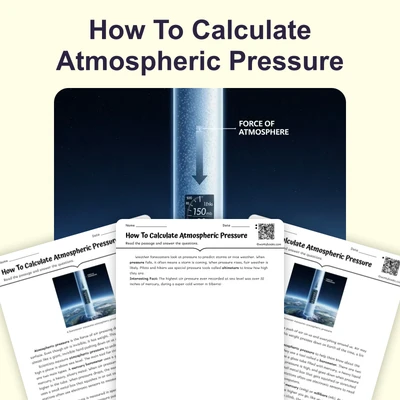
Reading Passage
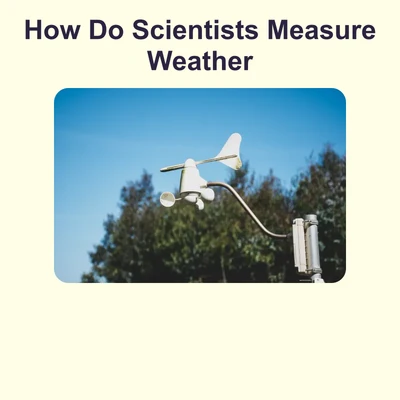
Reading Passage · MS-ESS2-5
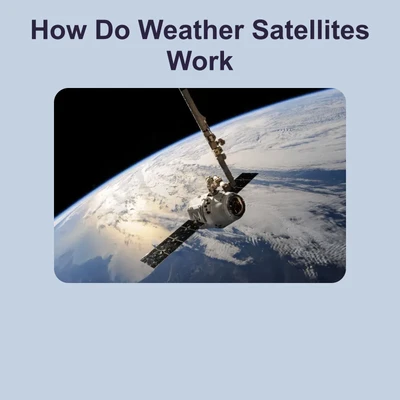
Reading Passage · MS-ESS2-5
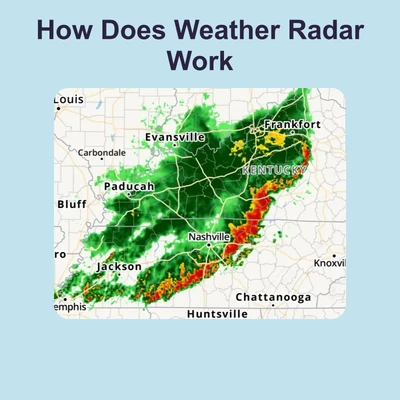
Reading Passage · MS-ESS2-5
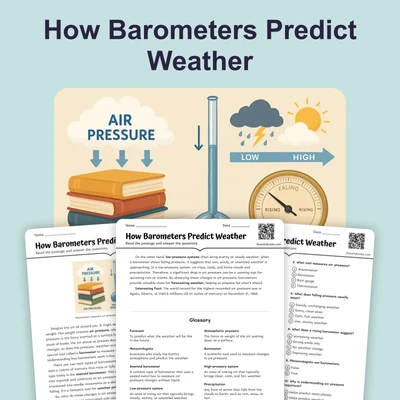
Reading Passage
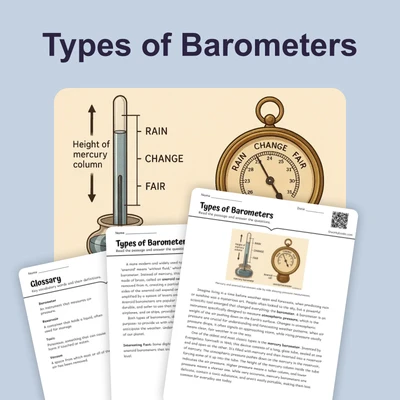
Reading Passage · 3-5-ETS1-1
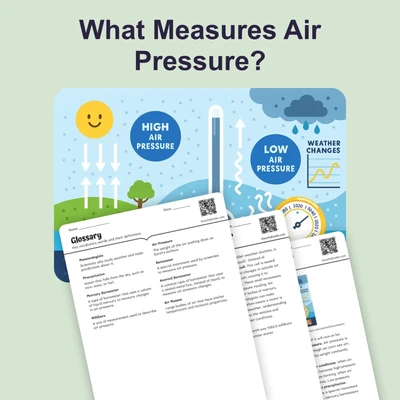
Reading Passage
Three ways to use Workybooks — pick what fits.
Weather instruments are introduced in the earliest grades as students learn to observe and record temperature, wind direction, and precipitation using simple tools. In kindergarten and first grade, children practice reading a thermometer and identifying a wind vane. As they progress through grades 2-3, they explore how barometers measure air pressure and anemometers measure wind speed, often using graphic organizers to compare instruments. By grades 4-5, students interpret data from multiple instruments, make predictions, and understand the role of weather tools in forecasting. In middle school (grades 6-8), resources deepen into concepts like relative humidity, dew point, and the use of digital sensors, while continuing to build on earlier knowledge.
Related concepts integrated throughout include weather patterns, the water cycle, air masses, and climate vs. weather. The resources are scaffolded to support differentiation: simpler matching activities for early grades, data analysis tasks for upper elementary, and inquiry-based projects for middle school. This progression ensures that teachers can select the right level for each student, whether introducing basic vocabulary or exploring complex meteorological principles.
Teachers can use this hub to differentiate instruction across a mixed-ability classroom. For whole-group lessons, choose a grade-appropriate reading passage or interactive game to introduce weather instruments. In small groups or centers, students can work on hands-on activities like building a simple anemometer or completing a graphic organizer comparing tools. Printable worksheets are ideal for independent practice, homework, or intervention, while digital activities work well for literacy centers or review. Use the included assessments to check understanding before moving to the next level. The range of no-prep, teacher-authored resources allows you to seamlessly address varied readiness levels within the same topic.
These resources align with grade-level Common Core State Standards for reading informational text and writing, as well as Next Generation Science Standards related to weather and climate across grades K-8. Specific standards vary by grade and resource.
Yes, many of our Weather Instruments worksheets are printable and available in PDF format. Some resources are free, while others require a paid membership. You can print them for classroom use, homework, or centers.
Absolutely. Our Weather Instruments worksheets for kids are designed for grades K-8, with age-appropriate content and engaging formats. Younger students enjoy matching and coloring activities, while older students analyze data and read nonfiction passages.
In addition to worksheets, this hub includes reading passages, interactive games, hands-on activities, graphic organizers, and assessments. You'll find a mix of printable and digital resources to support varied instructional settings.
The resources are scaffolded by difficulty. For a mixed-ability class, you can assign simpler identification tasks to struggling students and more complex data interpretation tasks to advanced learners. The hub allows you to filter by grade or skill level.