Germanic Invasions of Rome — Reading Comprehension
Rate this
Premium Resource
Present
Present in classroom. No work saved
Assign
Classroom with student accounts, Track progress
Quick Play
No student accounts, assign with a link
Grades
5
6
7
8
PRINT+DIGITAL RESOURCE
This learning resource is available in interactive and printable formats. The interactive worksheet can be played online and assigned to students. The Printable PDF version can be downloaded and printed for completion by hand.
This engaging history reading passage explores the causes and effects of the Germanic tribes’ invasions of the Western Roman Empire. Students will learn about the Visigoths, Vandals, and other groups who entered Roman lands, examining how migration, military pressures, and internal weaknesses led to the transformation and eventual fall of Rome. The passage highlights archaeological evidence, firsthand accounts, and the changing daily life for Romans and newcomers. Activities include a quiz, writing prompts, graphic organizers, timeline, and a glossary of academic vocabulary to support close reading. A Spanish translation and read aloud audio are provided. Aligned with CA HSS 6.7/7.1 and CCSS RH.6-8.1, this resource develops historical thinking, analysis of primary sources, and understanding of cause and effect in world history.
CONTENT PREVIEW
Expand content preview
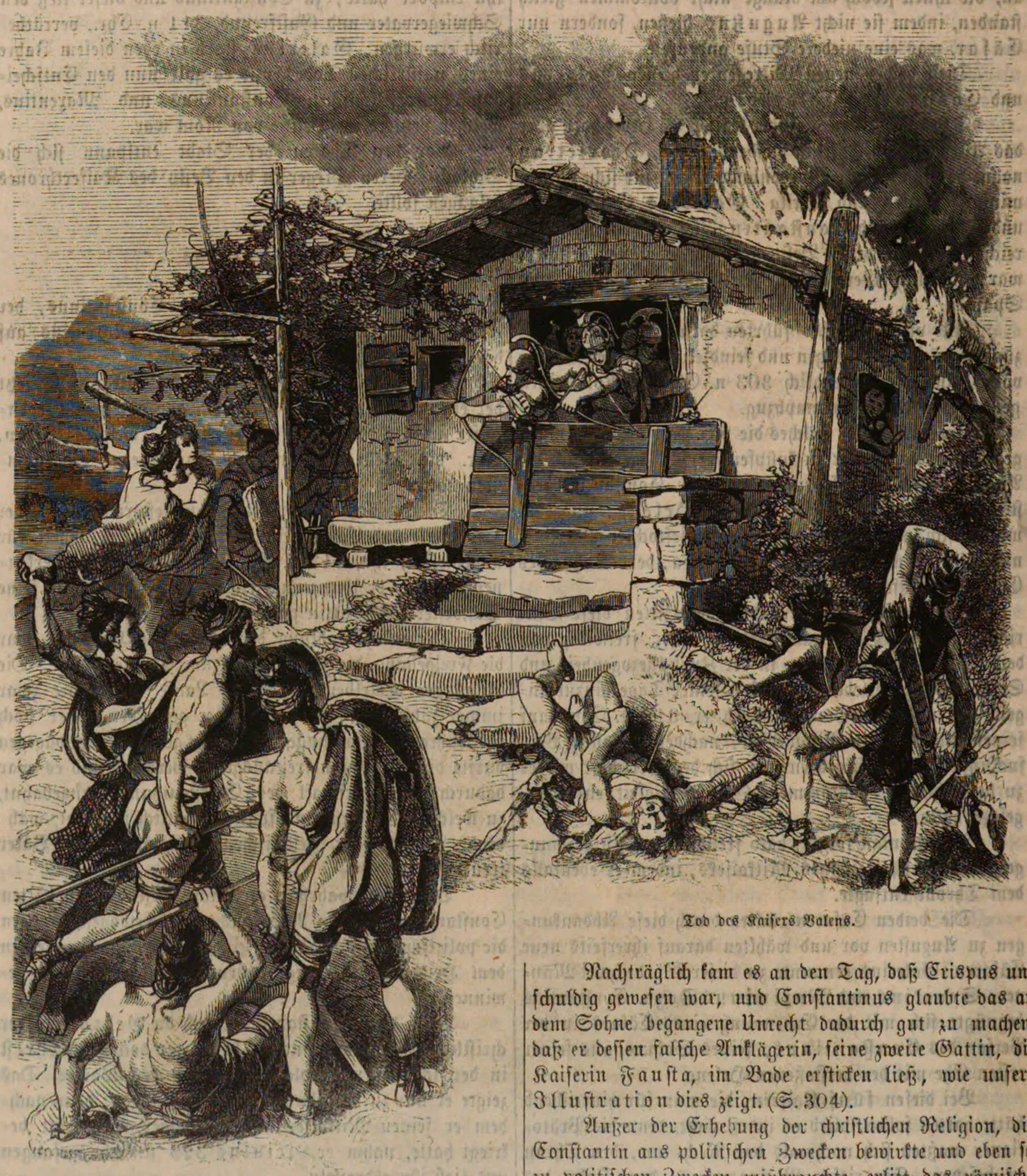
Death of Emperor Valens during the battle of Adrianople, 378/ Wikimedia Commons
The Germanic tribes played a crucial role in the decline of the Western Roman Empire during the fourth and fifth centuries CE. These groups, including the Visigoths, Vandals, and Ostrogoths, migrated into Roman territory, leading to significant changes in European history.
One main reason for the migrations was pressure from the east. The Huns, a powerful nomadic people from Central Asia, began moving westward around 370 CE. Their advance forced many Germanic groups to flee their homelands. For example, in 376 CE, the Visigoths requested permission to cross the Danube River and settle within the Roman Empire for protection. Archaeological evidence, such as grave goods and settlement remains along the Danube, confirms this movement. However, the Romans did not always treat the newcomers fairly. The Roman authorities tried to control and tax the migrants, which led to conflict.
Tensions erupted in 378 CE at the Battle of Adrianople, a key event where the Visigoths defeated a Roman army and killed Emperor Valens. This defeat revealed the weakening power of the Roman military. Over the next decades, more Germanic groups entered Roman lands. The Vandals crossed into North Africa in 429 CE and eventually captured the wealthy city of Carthage. The Visigoths, led by Alaric, famously sacked Rome in 410 CE. These events are described in ancient sources like the historian Ammianus Marcellinus and archaeological finds, such as coins and weapons left behind at battle sites.
The arrival of the Germanic tribes changed daily life in the Western Roman Empire. Roman cities suffered economic decline as trade routes were disrupted. The social hierarchy shifted, with some Germanic leaders gaining power and land. Romans and newcomers sometimes mixed, adopting each other's customs, languages, and religions. For example, some Germanic leaders converted to Christianity, a change recorded by church writers of the time. Despite violence, there was also continuity; Roman law and administration influenced the new kingdoms established by Germanic rulers.
The invasions of the Germanic tribes contributed to the collapse of the Western Roman Empire in 476 CE, when the last Roman emperor, Romulus Augustulus, was overthrown. This transformation marked the end of ancient Rome and the beginning of the Middle Ages in Europe. The migrations and conflicts of this period had lasting effects on European society, language, and government structures.
This era of migration and cultural blending helps us understand how societies respond to crisis, adapt to change, and shape the course of history.
Interesting Fact: In 455 CE, the Vandals looted Rome so thoroughly that the word "vandalism" now means the deliberate destruction of property.
Who crossed the Danube in 376 CE?
VisigothsVandalsOstrogothsHuns
Which tribe invaded North Africa?
VisigothsHunsVandalsRomans
Who was killed at the Battle of Adrianople?
Emperor ValensAlaricRomulus AugustulusAttila
What caused many Germanic tribes to migrate?
Roman expansionHuns moving westLack of foodGold discovery
Why was the sack of Rome in 410 CE important?
It ended the Roman EmpireIt showed Rome was vulnerableIt started the Middle AgesIt united the tribes
How did daily life change after the invasions?
Cities grew wealthierTrade was disruptedRoman army grew strongerNo changes occurred
The Vandals looted Rome in 455 CE. True or False?
TrueFalse
What does 'hierarchy' mean?
A type of buildingA system of ranking peopleA Roman lawA Germanic tribe
Perfect For:
👩🏫 Teachers
• Reading comprehension practice
• Auto-graded assessments
• Literacy skill development
👨👩👧👦 Parents
• Reading practice at home
• Comprehension improvement
• Educational reading time
🏠 Homeschoolers
• Reading curriculum support
• Independent reading practice
• Progress monitoring
Reading Features:
📖
Reading Passage
Engaging fiction or nonfiction text
❓
Comprehension Quiz
Auto-graded questions
📊
Instant Feedback
Immediate results and scoring
📄
Printable Version
Download for offline reading
🔊
Read Aloud
Voice-over with word highlighting
Reviews & Ratings
No reviews yet. Be the first to share your experience!
Related Content
Geography and Early Rome
This passage, aligned to HSS 6.7 and CCSS RH.6-8.2, explores the rise of Ancient Rome with a focus on its geographical s...
Ancient Law Codes: Hammurabi to Rome
This passage explores how ancient civilizations like Babylon and Rome used law codes to govern people, maintain social o...
Rome's Lasting Legacy
This passage explores the profound legacy of Ancient Rome and how its beliefs, innovations, and systems continue to shap...
Evidence in Ancient History
This engaging history reading passage investigates how archaeologists and historians discover clues about how ancient pe...
Livy: Historian of Early Rome
This passage introduces students to Livy, one of Ancient Rome's most significant historians, whose writings help us unde...
Slavery in Ancient Rome and in the Americas
This educational passage examines the history of slavery in two distinct regions and eras: Ancient Rome and Colonial Ame...
Ancient Theocracy
This engaging history reading passage explores the concept of theocracy in ancient civilizations, where priests and reli...
Slavery in Ancient World
This passage explores the complex history of slavery in the ancient world, examining its presence in societies such as M...
Life in the Roman Empire
This rigorous history reading passage explores Life in the Roman Empire, guiding students through the social hierarchy, ...
Ancient Canaan
This educational passage explores the land of Canaan, the historical homeland of the ancient Israelites. Students will l...
Ancient Literature
This passage explores the importance of ancient stories and poems from civilizations such as Greece, India, and Israel. ...
The Etruscans
This engaging history reading passage explores the vital role of the Etruscans in shaping Ancient Rome. Students will di...
Cincinnatus
This rigorous history reading passage explores the story of Cincinnatus, a Roman farmer who became a dictator in a time ...
Geography of Ancient Israel
This passage explores the rich geography of Ancient Israel, focusing on how landforms, climate, and natural resources sh...
Ancient Writing Systems
This engaging history reading passage explores the origins and evolution of ancient writing systems, including cuneiform...
Ancient Agriculture Farming
This passage explores the transformative impact of farming on ancient societies, examining how the Neolithic Revolution ...
The Roman Republic
This passage explores the structure and significance of government and law in the Roman Republic, focusing on how Roman ...
Ancient Mathematics
This passage explores the essential role of mathematics in ancient civilizations, including Mesopotamia, Egypt, Greece, ...
Trade Across Ancient India
This history reading passage explores Ancient India's trade networks and their impact on global connections. Students wi...