Life in the Roman Empire
Interactive passage with audio narration, comprehension questions, and printable PDF.
By completing this purchase you agree to our Terms of Use and Privacy Policy. Your subscription renews automatically until you cancel. You can cancel anytime from your account settings. All sales are final and non-refundable. Digital content is available for download in your account immediately upon purchase.
What's included
Life in the Roman Empire preview and details
About this printable Life in the Roman Empire reading passage (Grades 5-8)
Sample passage and quiz from Life in the Roman Empire
Reading passage and comprehension quiz preview
Life in the Roman Empire
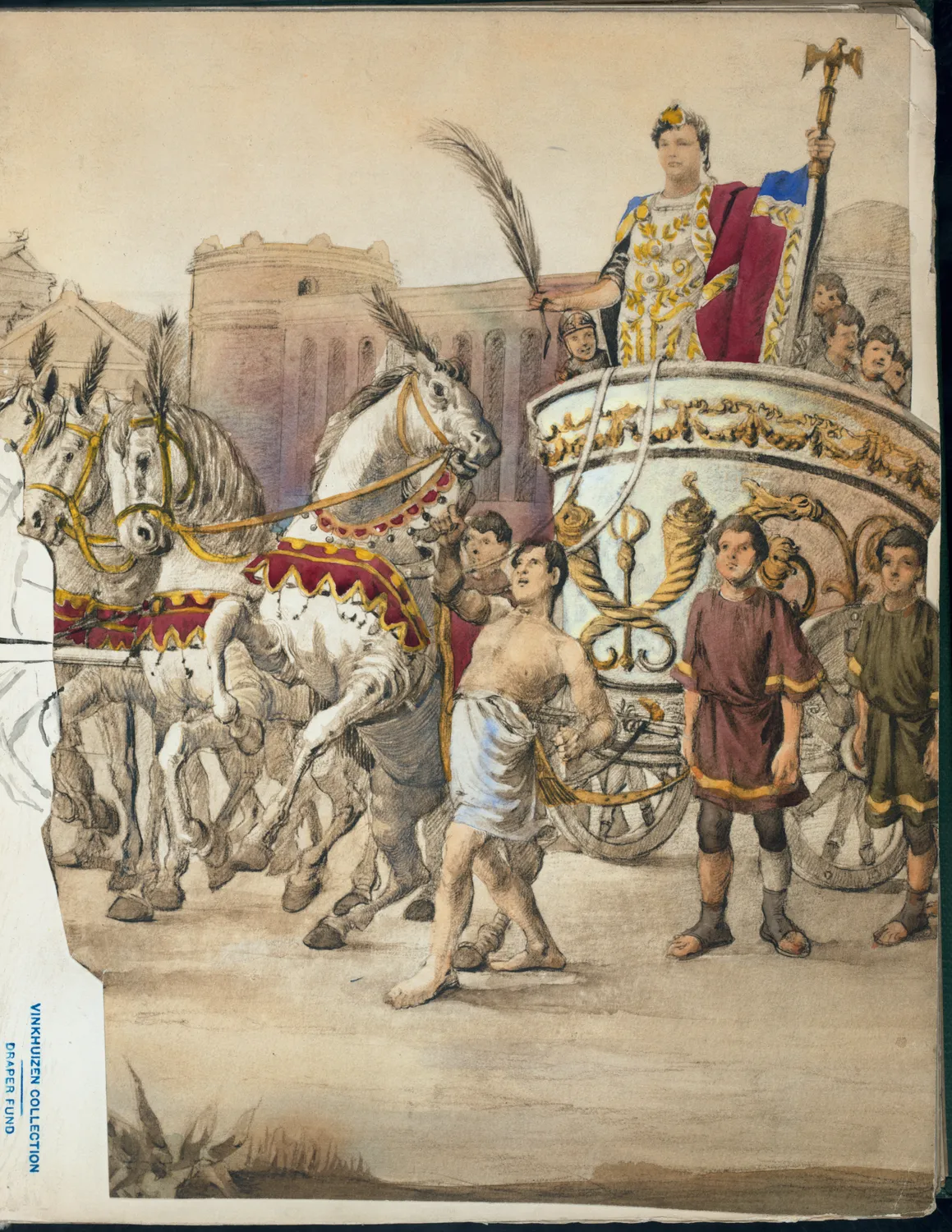
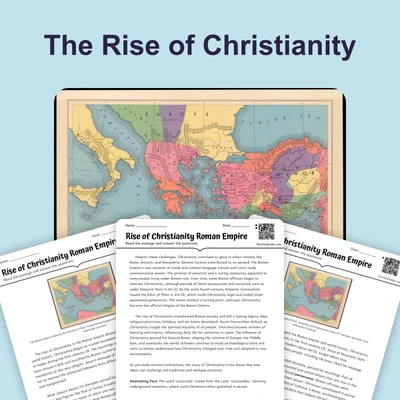
Roman Empire by Scan by NYPL / Wikimedia Commons
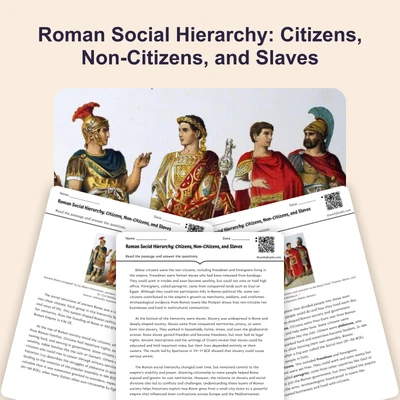
The Roman Empire was one of the largest and most influential civilizations in world history. At its height around 117 CE, it stretched from Britain in the west to Egypt in the south and Mesopotamia in the east. Roman society was organized by a strict social hierarchy, dividing people into classes such as senators, equestrians, plebeians, and slaves. The city of Rome itself, with over one million people, was the heart of the empire and a center for politics, trade, and culture.
Daily life in ancient Rome varied greatly depending on a person's status. Wealthy Romans, known as patricians, lived in elegant townhouses called domus, decorated with mosaics and running water. In contrast, most Romans were plebeians who lived in crowded apartment buildings called insulae. Archaeological evidence from Pompeii, a city preserved by the eruption of Mount Vesuvius in 79 CE, reveals details about Roman homes, street life, and even food. For example, frescoes on Pompeii's walls show scenes of family meals and public festivals, while preserved bread loaves demonstrate popular foods.
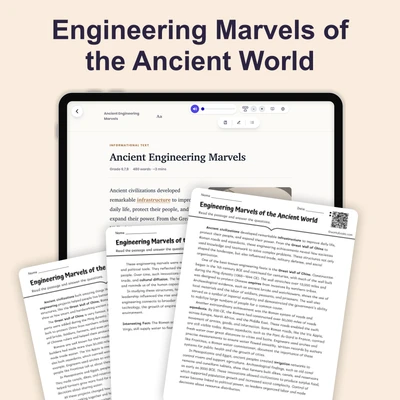
Public life was equally important. The Forum served as the center for government, commerce, and religion. Citizens gathered here to listen to speeches, attend trials, and shop at markets. Roman engineering achievements, such as aqueducts and roads, helped connect distant parts of the empire and supplied cities with fresh water. The construction of the Colosseum, completed in 80 CE, provided a place for gladiatorial games and public entertainment. Emperors used these events to win public support and display imperial power. Written sources like the writings of Cicero and accounts by historians such as Tacitus describe both the grandeur and challenges of Roman urban life.
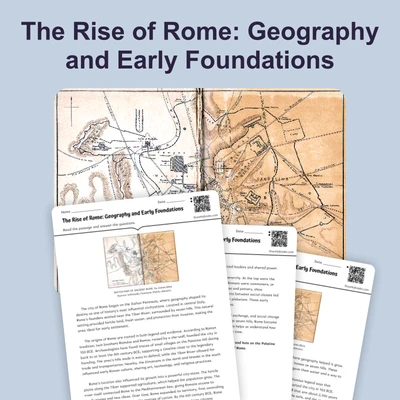
The Roman Empire was shaped by its geography. The Mediterranean Sea facilitated trade and cultural exchange, while Rome's network of roads enabled the military to control distant provinces. Over time, the empire expanded, but social tensions and economic difficulties sometimes led to unrest. Despite challenges, Roman institutions and cultural practices, such as the rule of law and Latin language, remained influential for centuries.
Understanding life in the Roman Empire helps us recognize how geography, social structure, and innovation contributed to the growth and organization of ancient civilizations. The experiences of Romans, from senators to slaves, reveal both the complexity and enduring impact of this remarkable empire on world history.
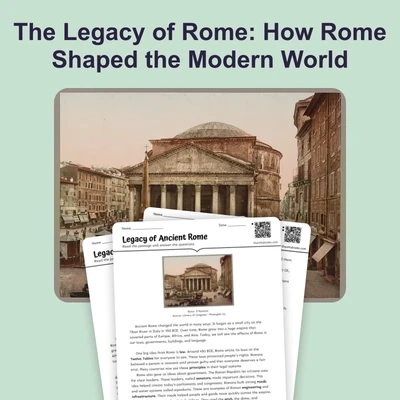
Interesting Fact: The Romans invented concrete, which allowed them to build lasting structures like the Pantheon. Some Roman roads and aqueducts are still in use today!
Comprehension quiz (8 questions)
1. What was the center of Roman public life?
2. Which class lived in insulae apartments?
3. When did Mount Vesuvius bury Pompeii?
4. Why were aqueducts important to Rome?
5. How did emperors use public events?
6. What effect did geography have on Rome?
7. Roman roads are still used today. True or false?
8. What is a 'domus'?
Perfect for the way you teach
- Build comprehension skills
- Auto-graded quiz
- Differentiated reading
- Read together at home
- Improve fluency
- Quiet reading time
- Reading curriculum support
- Independent practice
- Track Lexile growth