Ancient Writing Systems
Interactive passage with audio narration, comprehension questions, and printable PDF.
By completing this purchase you agree to our Terms of Use and Privacy Policy. Your subscription renews automatically until you cancel. You can cancel anytime from your account settings. All sales are final and non-refundable. Digital content is available for download in your account immediately upon purchase.
What's included
Ancient Writing Systems preview and details
About this printable Ancient Writing Systems reading passage (Grades 6-8)
Sample passage and quiz from Ancient Writing Systems
Reading passage and comprehension quiz preview
Ancient Writing Systems
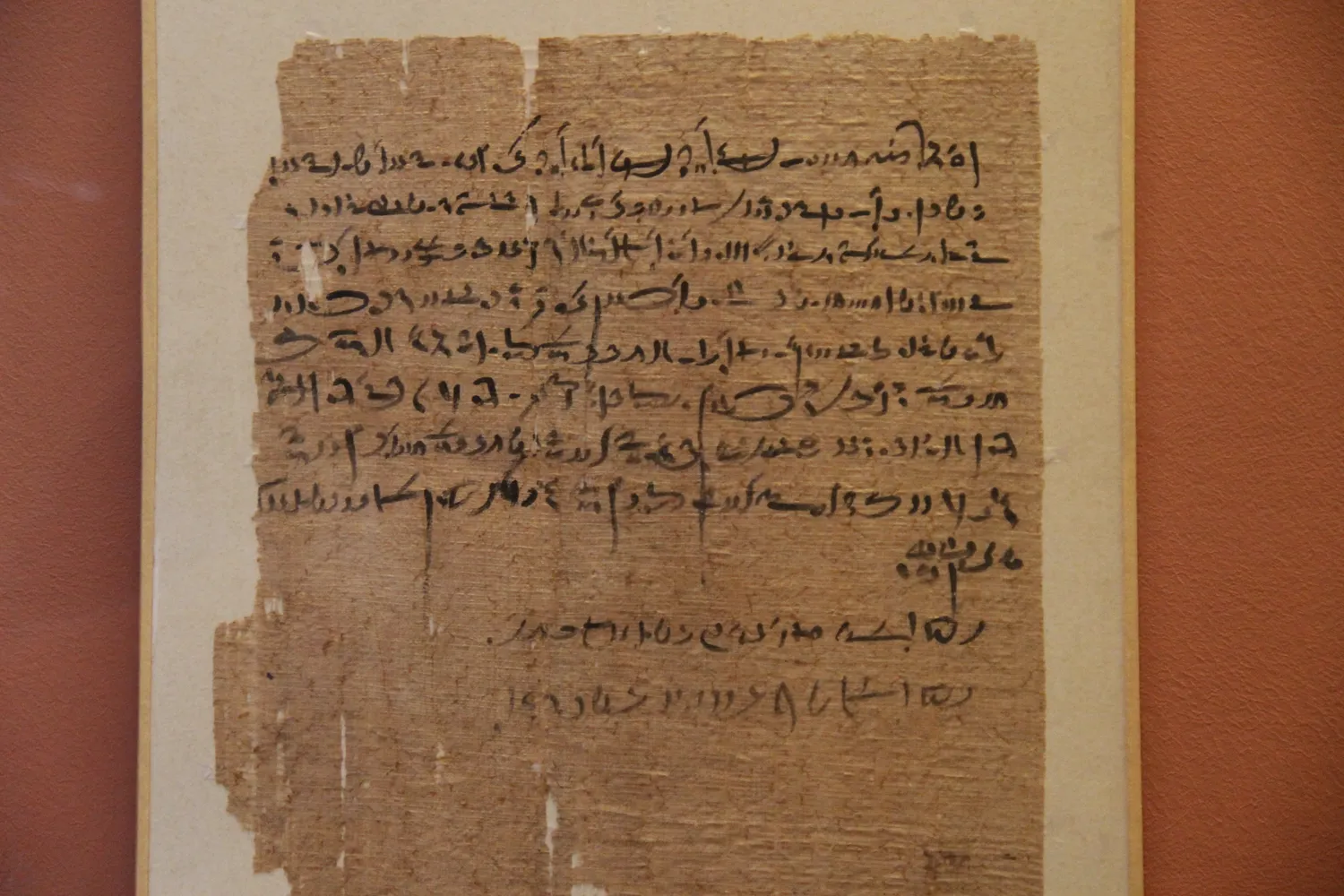
Ancient Egypt Papyrus Writing by Gary Todd from Xinzheng, China
Wikimedia Commons
Writing began as a way for ancient civilizations to record important information, from trade to religious beliefs. The earliest writing systems appeared in different parts of the world, each shaped by its unique geography and society. These systems allowed humans to store knowledge, communicate across distances, and build complex cultures.
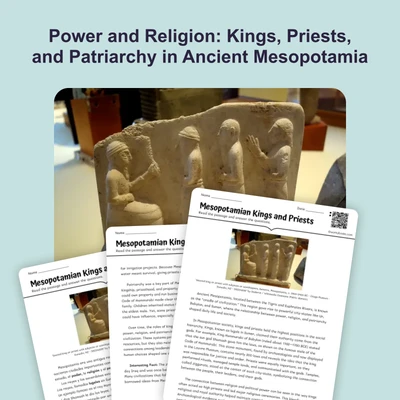
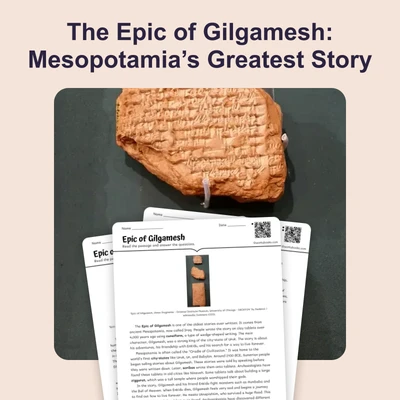
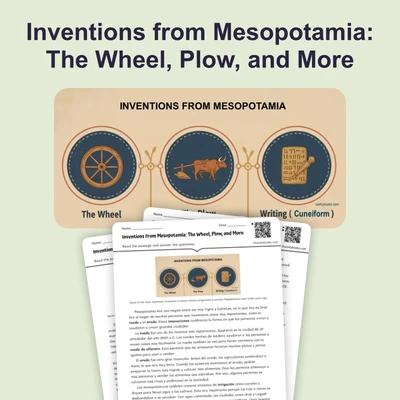
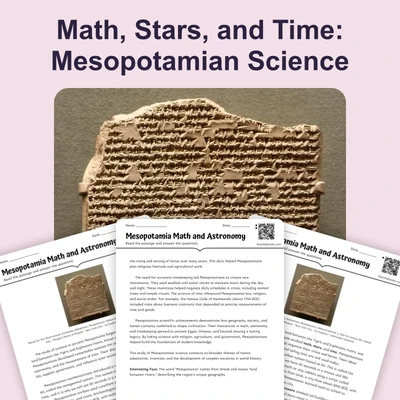
In Mesopotamia, the Sumerians developed the earliest known writing system called cuneiform around 3200 BCE. Scribes used reeds to press wedge-shaped marks into clay tablets. Archaeologists have found thousands of these tablets in ancient city-states such as Ur and Uruk. Early cuneiform began as pictographs—simple pictures representing objects or ideas. Over time, they became more abstract and could express sounds or syllables. Cuneiform was used for recording laws, taxes, stories like the “Epic of Gilgamesh,” and lists of goods, showing the importance of writing for administration and daily life.
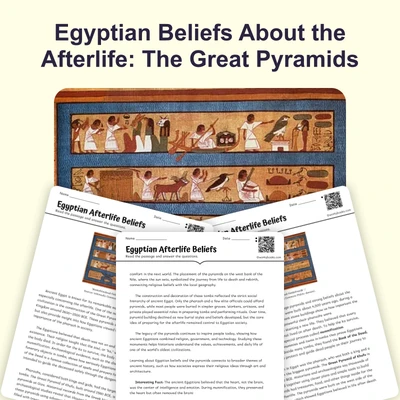
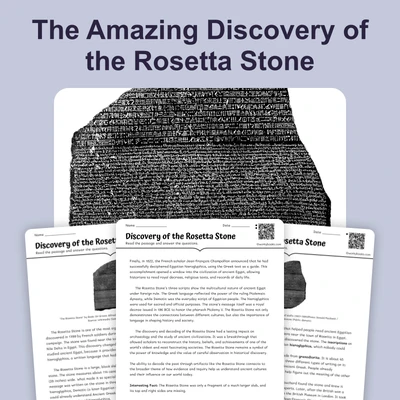
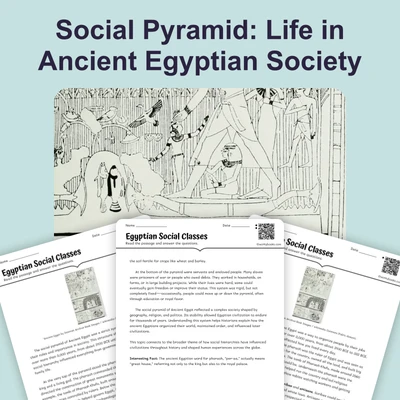
In Egypt, hieroglyphics emerged around 3100 BCE and decorated tombs, temples, and papyrus scrolls. Egyptian scribes used over 700 symbols, each representing a sound, object, or idea. The Rosetta Stone, discovered in 1799, provided the key to understanding hieroglyphics, as it displayed the same text in three scripts. Hieroglyphics were mostly used by the elite, demonstrating the connection between writing and social hierarchy in Egypt. For most people, writing remained mysterious and powerful.
Meanwhile, in ancient China, early writing appeared on oracle bones around 1200 BCE during the Shang Dynasty. These characters began as drawings but grew more stylized. Chinese writing showed remarkable continuity: modern Chinese characters can still be traced back to these ancient forms. Written records helped Chinese rulers organize their vast territories and maintain traditions across generations.
The first alphabet developed in the region of Phoenicia around 1200 BCE. Unlike cuneiform or hieroglyphics, the alphabet used fewer symbols, each standing for a single sound. This system made reading and writing easier and spread quickly across the Mediterranean. The Greeks later adapted the Phoenician alphabet, and it became the ancestor of many modern alphabets, including Latin and Cyrillic.
The invention of writing changed human history. It allowed people to create laws, record trade, preserve stories, and pass on knowledge. Writing systems reflected the needs and values of different societies, from city-states in Mesopotamia to empires in China and Egypt. The spread of alphabets made literacy more accessible, shaping the development of cultures and governments worldwide.
Writing connects us to the past and shows how societies solved problems and communicated ideas. Studying ancient writing reveals the creativity and adaptability of human civilizations.
Interesting Fact: The oldest known written recipe, found on a cuneiform tablet from Mesopotamia, describes how to make beer over 4,000 years ago!
Comprehension quiz (8 questions)
1. Which is the oldest writing system?
2. Where was cuneiform invented?
3. What helped decode hieroglyphics?
4. Why did writing become more abstract?
5. How did geography affect writing systems?
6. What effect did alphabets have?
7. The first alphabet used many symbols. True or false?
8. What is a scribe?
Perfect for the way you teach
- Build comprehension skills
- Auto-graded quiz
- Differentiated reading
- Read together at home
- Improve fluency
- Quiet reading time
- Reading curriculum support
- Independent practice
- Track Lexile growth