Han Dynasty Invention: The Moldboard Plow — Reading Comprehension
Rate this
Premium Resource
Present
Present in classroom. No work saved
Assign
Classroom with student accounts, Track progress
Quick Play
No student accounts, assign with a link
Grades
6
7
8
PRINT+DIGITAL RESOURCE
This learning resource is available in interactive and printable formats. The interactive worksheet can be played online and assigned to students. The Printable PDF version can be downloaded and printed for completion by hand.
This engaging history reading passage explores the development and impact of the moldboard plow during the Han Dynasty in Ancient China. Students will discover how this important invention transformed agricultural practices, supported population growth, and influenced social structure. The passage provides historical context, primary source examples, and explains the moldboard plow’s technological significance. Activities include a multiple-choice quiz, writing prompts, graphic organizers, and a timeline to help students analyze cause-and-effect in world history. The resource features a read aloud audio and a complete Spanish translation, supporting diverse learners. This lesson aligns with CA HSS 6.6.4 and CCSS ELA-Literacy RH.6-8.1, fostering close reading, evidence-based reasoning, and historical thinking skills. Ideal for world and ancient history units on technology and innovation.
The Han Dynasty (206 BCE–220 CE) in China is known for major technological advances that shaped ancient civilization. One of the most important inventions from this era was the moldboard plow. This innovative tool transformed Chinese agriculture and allowed farmers to cultivate land more efficiently, making it possible to feed a growing population and support a complex society.
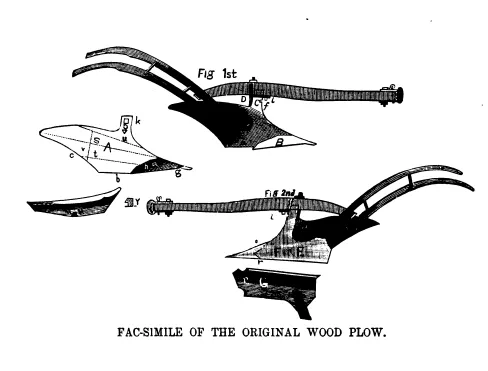
Before the Han Dynasty, Chinese farmers used simple wooden plows that could not easily turn heavy or wet soil. These early tools often left clumps and did not mix soil layers well, making planting more difficult. Around the first century BCE, evidence from archaeological sites such as tomb reliefs in Sichuan and Henan provinces shows the appearance of iron plows with a curved moldboard. The moldboard is a curved piece attached to the plow that lifts and turns the soil as the plow moves forward. This design allowed for deeper and more thorough plowing, improving soil aeration and water absorption.
The development of the moldboard plow was closely linked to advances in ironworking during the Han period. Iron was stronger and lasted longer than wood, making tools more effective. Ancient Chinese texts, such as the "Discourses on Salt and Iron" (81 BCE), describe how iron agricultural tools boosted food production. Also, the Han government encouraged innovation by supporting workshops where skilled artisans made plows and other farming equipment. This support helped spread the new technology across China, from the Yellow River valley to the Yangtze River basin.
The introduction of the moldboard plow had a dramatic effect on society. With more productive farms, the Han Dynasty could support a larger population and develop cities and trade. This technology also affected social hierarchy, since landowners who could afford advanced tools gained more wealth and power. Over time, the use of the moldboard plow became common in China and spread to other parts of the world, influencing global agricultural practices. The plow's design continued to improve in later centuries, showing both continuity and change in technological history.
The invention of the moldboard plow demonstrates how human innovation responds to environmental challenges and shapes civilization. This story connects to larger world history themes, such as the importance of technology and geography in the rise of complex societies.
Interesting Fact: Some historians believe the Han Chinese moldboard plow may have influenced similar plow designs in Europe centuries later through trade and cultural exchange.
When did the Han Dynasty begin?
206 BCE500 BCE220 CE81 BCE
What was the main benefit of the moldboard plow?
Easier to turn soilMade weaponsBuilt housesCreated art
Where were early moldboard plows found?
Sichuan and HenanRomeGreeceIndia
How did iron help farmers?
Made tools strongerGrew crops fasterBuilt citiesWrote books
Why did the Han government support workshops?
To spread new toolsTo make artTo build palacesTo train soldiers
What social group gained more power?
LandownersFishermenSoldiersWriters
The moldboard plow improved food production. True or false?
TrueFalse
What does "innovation" mean?
A new idea or toolAn old traditionA type of soilA social class
Perfect For:
👩🏫 Teachers
• Reading comprehension practice
• Auto-graded assessments
• Literacy skill development
👨👩👧👦 Parents
• Reading practice at home
• Comprehension improvement
• Educational reading time
🏠 Homeschoolers
• Reading curriculum support
• Independent reading practice
• Progress monitoring
Reading Features:
📖
Reading Passage
Engaging fiction or nonfiction text
❓
Comprehension Quiz
Auto-graded questions
📊
Instant Feedback
Immediate results and scoring
📄
Printable Version
Download for offline reading
🔊
Read Aloud
Voice-over with word highlighting
Reviews & Ratings
No reviews yet. Be the first to share your experience!
Related Content
Chinese Inventions That Changed the World
This engaging passage explores the profound impact of Chinese inventions—paper, gunpowder, and the compass—on world hist...
Life in Ancient China
This comprehensive history reading passage explores daily life and social structure in Ancient China, focusing on the ro...
Geography of Ancient China
This passage examines the geographic advantages and challenges faced by Ancient China, exploring how natural features li...
Bronze in Ancient China
This passage explores the significance of bronze in Ancient China, focusing on its use in rituals, weapons, and expressi...
Invention of Paper
This passage examines the revolutionary invention of paper making during the Han Dynasty in ancient China, highlighting ...
CA HSS 6.6.7CCSS RH.6-8.2CCSS RH.6-8.4
Evidence in Ancient History
This engaging history reading passage investigates how archaeologists and historians discover clues about how ancient pe...
Han Dynasty: Wheelbarrow
This passage explores the invention and historical significance of the wheelbarrow during the Han dynasty in ancient Chi...
CA HSS 6.6CCSS RH.6-8.1RH.6-8.2RH.6-8.4
Han Dynasty: Seismograph
Discover the groundbreaking invention of the seismograph during the Han dynasty in ancient China in this engaging histor...
HSS 6.6.7RH.6-8.1RH.6-8.2WHST.6-8.2
Slavery in Ancient World
This passage explores the complex history of slavery in the ancient world, examining its presence in societies such as M...
Confucianism, Daoism, and Buddhism in China
This rigorous ancient history reading passage explores the development and impact of Confucianism, Daoism, and Buddhism ...
Trade in the Ancient World
This reading passage delves into the dynamic world of trade among ancient civilizations, focusing on the Silk Road, Medi...
The First Emperor: Qin Shi Huangdi Unites China
This comprehensive reading passage explores the rise of Qin Shi Huangdi, the first emperor who united ancient China. Stu...
Ancient Literature
This passage explores the importance of ancient stories and poems from civilizations such as Greece, India, and Israel. ...
Social structures in Ancient World
This passage explores the organization and significance of family life in ancient societies, focusing on how extended fa...
Han Dynasty: Suspension Bridges
This passage explores the invention and impact of suspension bridges during the Han Dynasty in Ancient China, covering h...
CA HSS 6.6CCSS RH.6-8.1CCSS RH.6-8.4CCSS RH.6-8.7
Ancient Philosophy
This reading passage takes students on a journey through the philosophical traditions of ancient Greece, India, and Chin...
Ancient Theocracy
This engaging history reading passage explores the concept of theocracy in ancient civilizations, where priests and reli...
Women in Ancient Societies
This reading passage explores the complex roles of women in the ancient world, focusing on civilizations such as Mesopot...
Ancient Canaan
This educational passage explores the land of Canaan, the historical homeland of the ancient Israelites. Students will l...