Confucianism, Daoism, and Buddhism in China
Interactive passage with audio narration, comprehension questions, and printable PDF.
By completing this purchase you agree to our Terms of Use and Privacy Policy. Your subscription renews automatically until you cancel. You can cancel anytime from your account settings. All sales are final and non-refundable. Digital content is available for download in your account immediately upon purchase.
What's included
Confucianism, Daoism, and Buddhism in China preview and details
About this printable Confucianism, Daoism, and Buddhism in China reading passage (Grades 5-8)
Sample passage and quiz from Confucianism, Daoism, and Buddhism in China
Reading passage and comprehension quiz preview
Confucianism, Daoism, and Buddhism in China
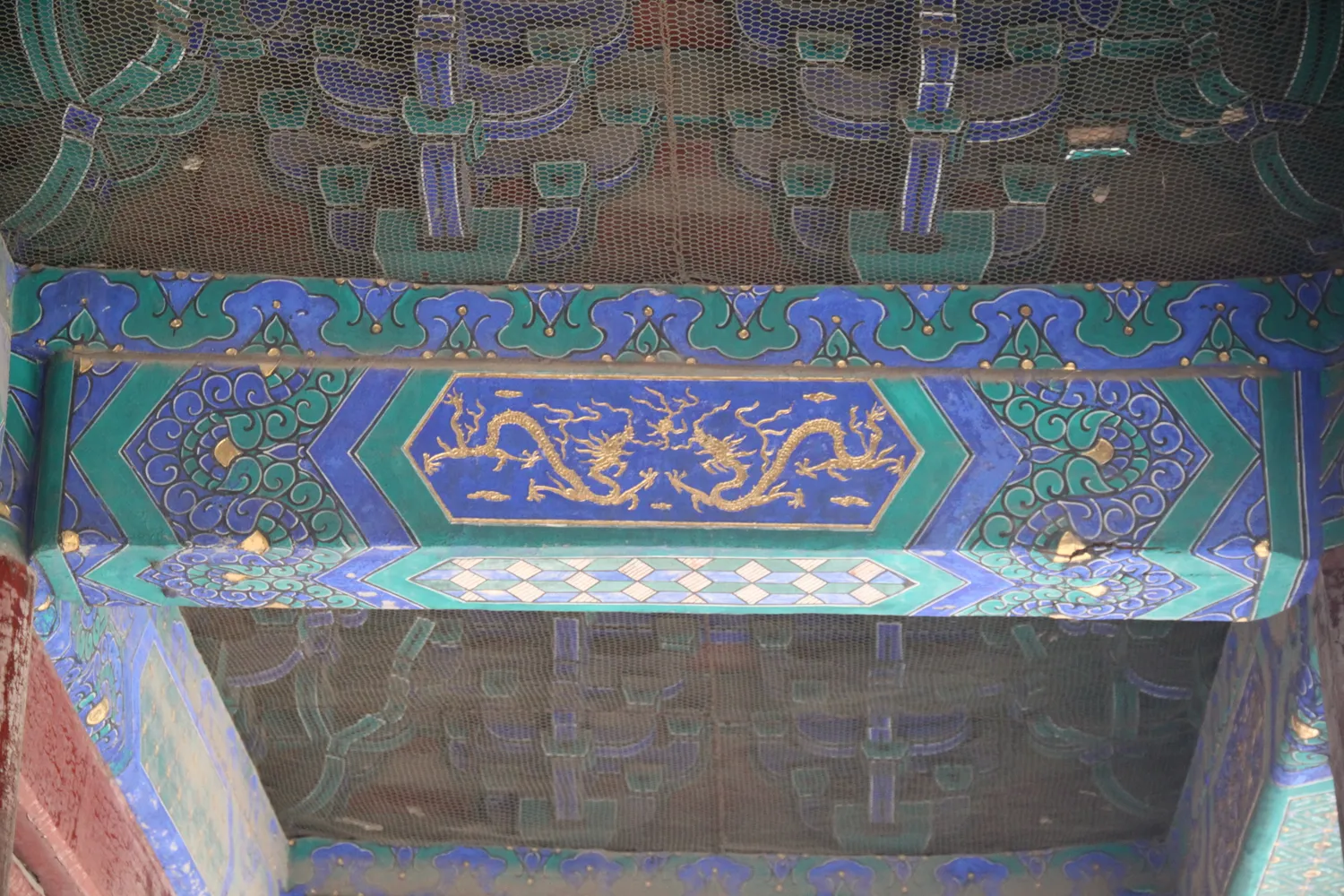
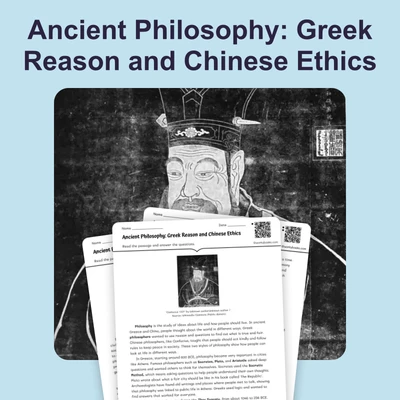
"Kongzi (Confucius) Temple, Qufu" by Gary Todd from Xinzheng, China / Wikimedia Commons (CC0).
Confucianism, Daoism, and Buddhism were three major belief systems that shaped the history and culture of ancient China. Each of these philosophies offered different answers to questions about ethics, government, and the meaning of life. Their influence can still be seen in China and throughout East Asia today.
The roots of Confucianism began with the teachings of Kong Fuzi, known as Confucius (551–479 BCE). Confucius lived during a time of social disorder in the Zhou dynasty. He believed that harmony in society depended on proper relationships and respect for elders. His ideas are recorded in a collection called the Analects. Confucianism stressed the importance of education, family loyalty, and a strong moral code. During the Han dynasty (206 BCE–220 CE), emperors made Confucianism the official philosophy of the government. Civil service exams, which were based on Confucian texts, allowed talented people to become government officials regardless of their background. Archaeological evidence, such as ancient examination papers and stone carvings, shows how deeply these ideas shaped Chinese society.
Daoism (sometimes spelled Taoism) developed around the same time as Confucianism. Its founder, Laozi, is said to have written the Dao De Jing in the 6th century BCE, though some historians debate his existence. Daoism teaches that people should live in harmony with the Dao, or “the Way,” which is the fundamental force of the universe. Daoists believe in living simply, close to nature, and letting things happen naturally. Daoism influenced Chinese art, poetry, and medicine. Evidence of Daoist beliefs can be found in ancient temples, paintings, and texts. Daoism offered an alternative to the strict social order of Confucianism.
Buddhism arrived in China from India during the Han dynasty, around the 1st century CE. It quickly gained followers, especially during times of crisis, such as the fall of the Han dynasty. Buddhists believe in reincarnation and the search for enlightenment, or freedom from suffering. Buddhist monks built monasteries and carved statues, such as the famous Longmen Grottoes near Luoyang, where thousands of Buddhist figures are carved into cliffs. Buddhism brought new ideas about compassion and the afterlife, and often blended with Daoist and Confucian beliefs to create a unique Chinese tradition called syncretism.
These three traditions shaped government, education, and daily life in ancient China. Confucianism provided rules for social order and government. Daoism encouraged balance and respect for nature. Buddhism offered hope and comfort during difficult times. Over centuries, these beliefs interacted and changed, showing both continuity and adaptation in Chinese culture.
Through their influence on art, social structure, and even the legal system, Confucianism, Daoism, and Buddhism left a lasting legacy. Their teachings continue to influence millions of people and are a key part of the history of East Asia.
Interesting Fact: During the Tang dynasty, Buddhist monks helped spread printing technology by copying sacred texts, making books more available in China.
Comprehension quiz (8 questions)
1. Who was the founder of Confucianism?
2. When did Buddhism arrive in China?
3. What text is linked to Daoism?
4. How did Confucianism affect government?
5. What did Daoism teach about nature?
6. Why did Buddhism grow in times of crisis?
7. Daoism and Confucianism started at the same time.
8. What does 'syncretism' mean?
Perfect for the way you teach
- Build comprehension skills
- Auto-graded quiz
- Differentiated reading
- Read together at home
- Improve fluency
- Quiet reading time
- Reading curriculum support
- Independent practice
- Track Lexile growth