How Animals Learn from Experience — Reading Comprehension
Rate this
Premium Resource
Present
Present in classroom. No work saved
Assign
Classroom with student accounts, Track progress
Quick Play
No student accounts, assign with a link
Grades
3
4
5
Standards
NGSS 4-LS1-2
LS1.D
PRINT+DIGITAL RESOURCE
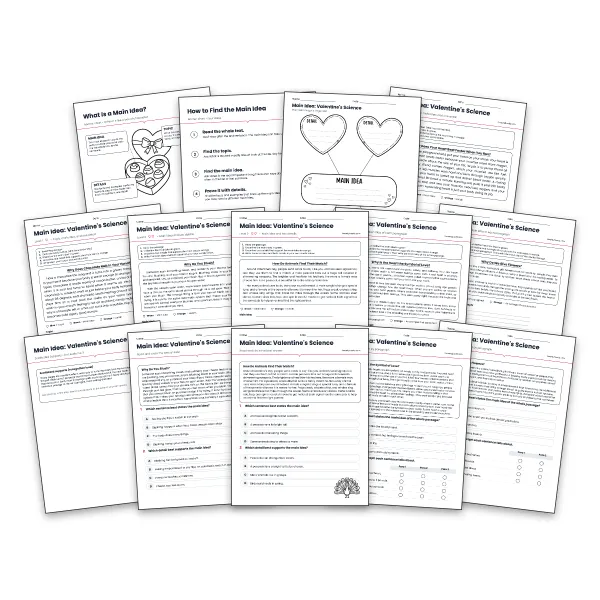
This learning resource is available in interactive and printable formats. The interactive worksheet can be played online and assigned to students. The Printable PDF version can be downloaded and printed for completion by hand.
This engaging 250-word reading passage introduces fourth-grade students to the concept of animal learning and behavioral adaptation as outlined in NGSS standard 4-LS1-2. Students discover that animals don't just respond with instincts—many animals learn from experience and change their behavior over time. Through relatable examples like dogs learning that a bell means food is coming, birds discovering which berries are safe to eat, and young animals watching their parents hunt, students build foundational understanding of how the brain stores information from past experiences. The passage explains the sense-process-respond model in a more complex context, helping students see how animals use memory to make better decisions in the future. This audio-integrated resource includes a simplified differentiated version for struggling readers, Spanish translations of both passages, a comprehensive glossary, multiple-choice questions testing recall and comprehension, writing activities requiring application of concepts, and graphic organizers to help students analyze cause-and-effect relationships and compare instinct with learned behavior. Perfect for introducing NGSS Disciplinary Core Idea LS1.D in an accessible, age-appropriate format.
CONTENT PREVIEW
Expand content preview
Learning survival through experience.
Animals are not born knowing everything they need to survive. While some behaviors are instincts—actions animals can do without being taught—many animals also learn from experience. Learning from experience means that an animal's brain stores information about what happened in the past and uses that information to make better choices in the future.
Think about a pet dog. At first, a dog might not know what a doorbell means. But after the doorbell rings many times and someone always comes to the door, the dog learns to connect the sound with visitors arriving. The dog's brain—the organ that controls thinking and memory—remembered the pattern. This is called learned behavior.
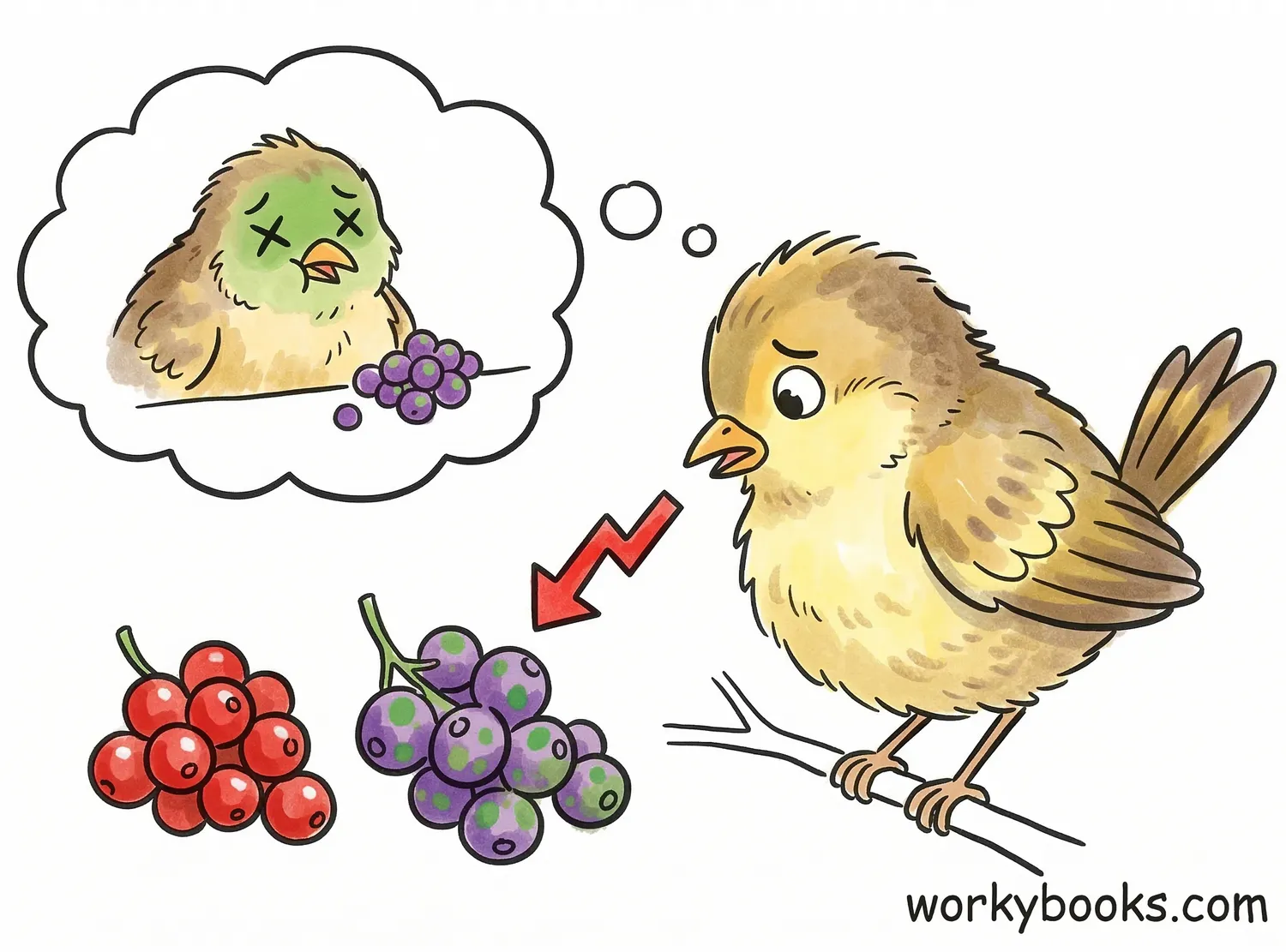
Wild animals learn from experience too. A young bird might try eating different berries. If one type of berry makes the bird feel sick, the bird remembers and avoids that berry in the future. A young wolf watches its parents hunt and practices the same skills. Over time, the wolf gets better at hunting because it learned from watching and trying.
This process is more complex than simple instinct. The animal's brain takes in information through its senses, processes what happened, stores it in memory—the brain's ability to keep information—and then uses that memory to respond differently next time. Learning helps animals survive in changing environments.
Interesting Fact: Crows are amazing learners! They can remember human faces for years and even teach other crows which people are dangerous and which are friendly.
What are instincts?
Actions animals learn from parentsActions animals do without being taughtActions animals learn from experienceActions animals forget over time
What organ controls thinking and memory?
The heartThe stomachThe brainThe lungs
How does a young bird learn berries?
By asking other birdsBy trying them and remembering resultsBy reading about themBy smelling them only
Why does learning help animals survive?
It makes them run fasterIt helps them make better decisionsIt makes them biggerIt changes their color
What does a dog learn about doorbells?
That doorbells mean food is readyThat doorbells mean visitors are arrivingThat doorbells mean time to sleepThat doorbells mean danger is near
How does a wolf improve hunting?
By growing bigger teethBy running faster naturallyBy watching parents and practicingBy eating more food
Animals can only use instincts, not learning.
TrueFalse
What is memory?
The ability to run fastThe ability to store informationThe ability to see clearlyThe ability to hear sounds
Perfect For:
👩🏫 Teachers
• Reading comprehension practice
• Auto-graded assessments
• Literacy skill development
👨👩👧👦 Parents
• Reading practice at home
• Comprehension improvement
• Educational reading time
🏠 Homeschoolers
• Reading curriculum support
• Independent reading practice
• Progress monitoring
Reading Features:
📖
Reading Passage
Engaging fiction or nonfiction text
❓
Comprehension Quiz
Auto-graded questions
📊
Instant Feedback
Immediate results and scoring
📄
Printable Version
Download for offline reading
🔊
Read Aloud
Voice-over with word highlighting
Reviews & Ratings
No reviews yet. Be the first to share your experience!
Related Content
How Animals See Differently
This engaging 250-word reading passage introduces fourth-grade students to the fascinating world of animal vision and ey...
NGSS 4-LS1-1LS1.D
What Is Spinal Cord
This engaging Grade 4 science reading passage introduces students to the spinal cord and its critical role in the human ...
NGSS 4-LS1-2LS1.ALS1.D
How We Smell, Taste, and Feel
This audio-integrated reading passage introduces fourth-grade students to the fundamental concept of how sensory organs ...
NGSS 4-LS1-2LS1.D
How the Body Responds
This 250-word reading passage introduces fourth-grade students to how the body responds to sensory information, aligned ...
NGSS 4-LS1-2LS1.D
How Animals Use Smell and Touch
This engaging 250-word reading passage introduces fourth-grade students to how animals use smell and touch as critical s...
NGSS 4-LS1-2LS1.D
How Animals Respond to Danger
This engaging 250-word reading passage introduces fourth-grade students to the sense-process-respond chain in animals, a...
NGSS 4-LS1-2LS1.D
What Is Nervous System
This Grade 4 science reading passage introduces students to the nervous system as the body's communication network align...
NGSS 4-LS1-2LS1.ALS1.D
Brain as Control Center
This engaging 250-word reading passage teaches fourth-grade students about the brain as the body's control center, align...
NGSS 4-LS1-2LS1.ALS1.D
How Nerves Carry Messages
This engaging 250-word reading passage introduces fourth-grade students to the nervous system and how nerves carry messa...
NGSS 4-LS1-2LS1.ALS1.D
How We Store Memories
How We Store Memories is an engaging Grade 4 science reading passage aligned with NGSS standard 4-LS1-2 (LS1.D). This 25...
NGSS 4-LS1-2LS1.D
How Animals Use Their Senses
This Grade 4 science reading passage introduces students to how animals use their senses to receive information about th...
NGSS 4-LS1-2
How Brain Processes Senses
This 250-word reading passage introduces fourth-grade students to the sense-process-respond model aligned with NGSS stan...
NGSS 4-LS1-2
How Our Eyes and Ears Work
This engaging 250-word reading passage introduces fourth-grade students to the specialized functions of sense organs, sp...