Jacob Riis: How the Other Half Lives
Interactive passage with audio narration, comprehension questions, and printable PDF.
By completing this purchase you agree to our Terms of Use and Privacy Policy. Your subscription renews automatically until you cancel. You can cancel anytime from your account settings. All sales are final and non-refundable. Digital content is available for download in your account immediately upon purchase.
What's included
Jacob Riis: How the Other Half Lives preview and details
About this printable Jacob Riis: How the Other Half Lives reading passage (Grades 6-8)
Sample passage and quiz from Jacob Riis: How the Other Half Lives
Reading passage and comprehension quiz preview
Jacob Riis
Source: Wikimedia Commons - Wikimedia Commons
In the late 1800s, many families in New York City lived in overcrowded tenement buildings. These structures were often dark, unsanitary, and dangerous. Poverty affected thousands of immigrants and working-class people, who struggled to find safe homes. During the Progressive Era, Americans began to notice the problems of rapid urban growth and social inequality. One person who made a difference was Jacob Riis, a Danish immigrant and journalist.
Jacob Riis used photojournalism to reveal the reality of life in tenements. Photojournalism combines photographs and reporting to tell stories. Riis worked as a police reporter, so he saw firsthand the conditions in New York’s poorest neighborhoods. He believed that showing evidence through images and writing would help the public understand the urgent need for reform. Using a new flash photography method, Riis was able to capture images even in dark, crowded apartments.
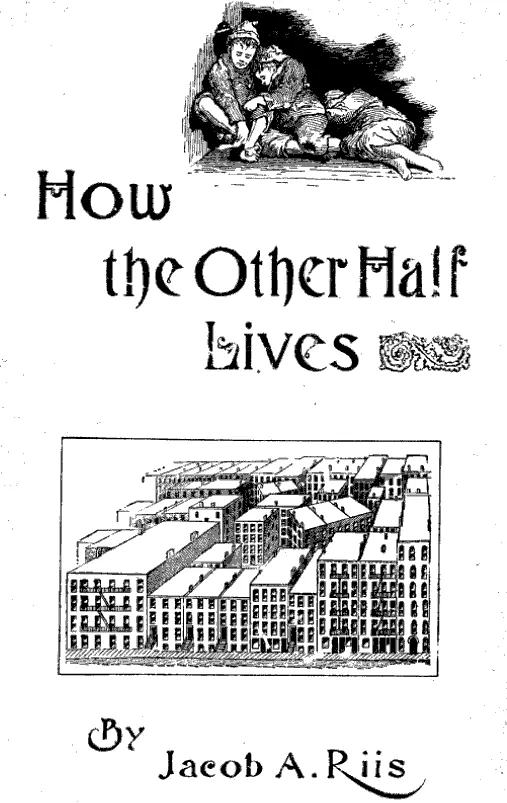
In 1890, Jacob Riis published his influential book, How the Other Half Lives. The book included both photographs and written descriptions to provide a detailed exposure of tenement conditions. Riis described rooms packed with families, poor ventilation, and lack of sanitation. Walls were damp and windows were scarce. Disease spread quickly, and children often had to work instead of going to school. By documenting these hardships, Riis challenged the comfortable middle class to see the city’s hidden struggles.
Riis’s work sparked public debate. Many Americans were shocked by the powerful images and direct evidence of suffering. Some city leaders and reformers, such as Theodore Roosevelt, responded by supporting new policies to improve housing. Newspapers and civic groups began to demand better standards for tenement construction and management. The momentum for urban reform grew, leading to laws that required windows, fire escapes, and access to clean water in new buildings. These changes showed how evidence from photojournalism could have a real impact on society.
However, the reform movement was not without challenges. Landlords and business owners often resisted costly changes. Some critics argued that Riis’s focus on shocking images could oversimplify complex social problems. Despite these conflicts, Riis’s work brought lasting attention to the needs of the urban poor. His legacy continues in modern debates about housing, inequality, and the use of media to inspire change.
Interesting Fact: Jacob Riis’s book inspired future reformers and became one of the first examples of using photography for social change in America.
Comprehension quiz (8 questions)
1. Who was Jacob Riis?
2. What was Riis’s book called?
3. When was 'How the Other Half Lives' published?
4. Why did Riis use photojournalism?
5. What was one result of Riis’s work?
6. How did some critics react to Riis?
7. Jacob Riis inspired future reformers. (True/False)
8. What does 'poverty' mean?
Perfect for the way you teach
- Build comprehension skills
- Auto-graded quiz
- Differentiated reading
- Read together at home
- Improve fluency
- Quiet reading time
- Reading curriculum support
- Independent practice
- Track Lexile growth