Pueblos: Desert Homes of the Southwest
Interactive passage with audio narration, comprehension questions, and printable PDF.
By completing this purchase you agree to our Terms of Use and Privacy Policy. Your subscription renews automatically until you cancel. You can cancel anytime from your account settings. All sales are final and non-refundable. Digital content is available for download in your account immediately upon purchase.
What's included
Part of this bundle

Pueblos: Desert Homes of the Southwest preview and details
About this printable Pueblos: Desert Homes of the Southwest reading passage (Grades 3-5)
Sample passage and quiz from Pueblos: Desert Homes of the Southwest
Reading passage and comprehension quiz preview
Native American Pueblos
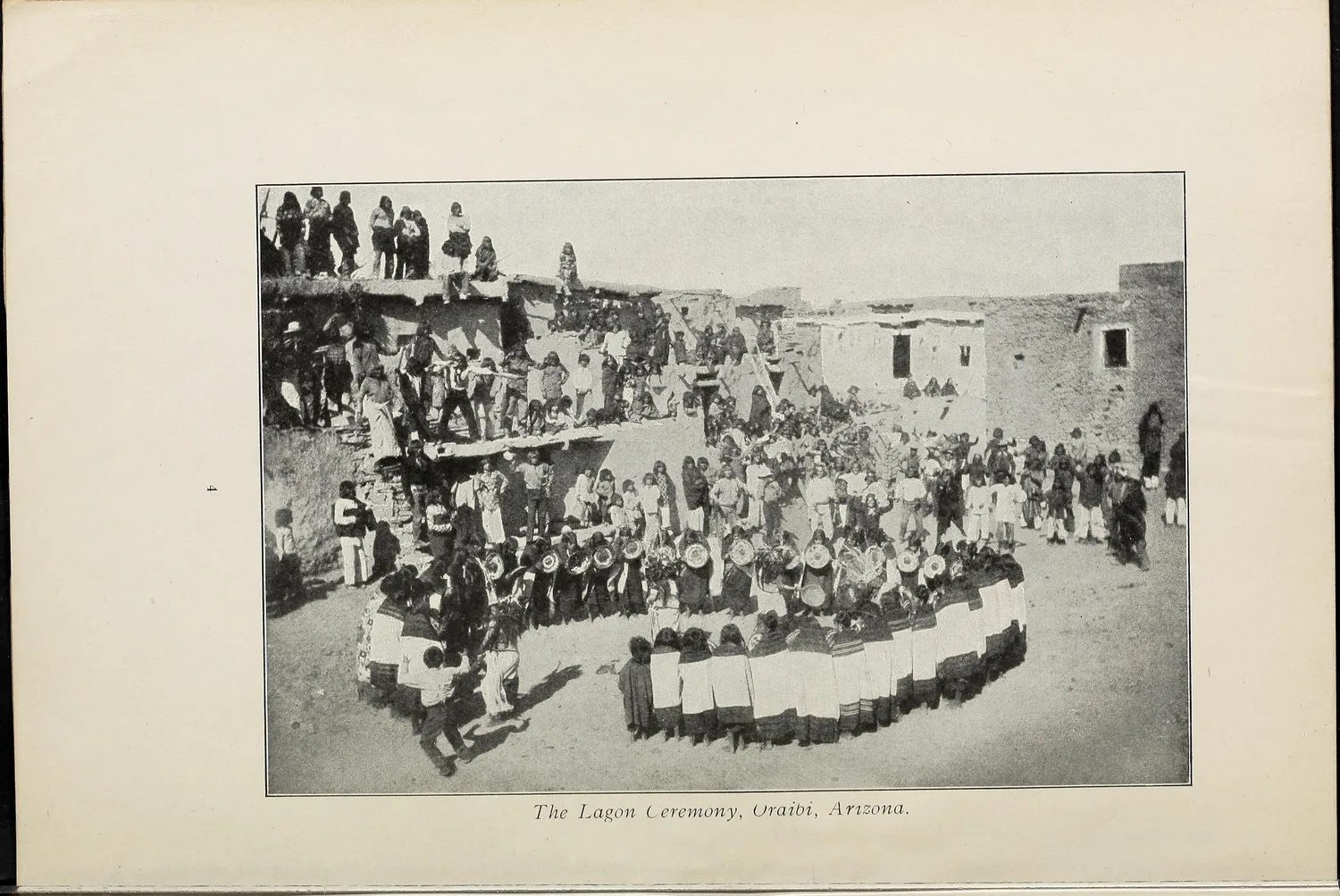
Source: Wikimedia Commons - Dorsey, George A. (George Amos), 1868-1931;Atchison, Topeka, and Santa Fe Railway Company
Pueblo peoples in the Southwestern United States built special homes called pueblos. These homes were made from adobe clay, a mix of mud and straw that dried hard in the sun. The word "pueblo" means "village" in Spanish, but today it also describes the apartment-like houses made by these Native American tribes.
Pueblo homes were built in the desert, where the weather is very hot during the day and cool at night. The Southwestern tribes, like the Hopi and Zuni, learned to use the land and resources around them. They used adobe because it kept their homes cool in the summer and warm in the winter. The thick walls acted like natural air conditioning and heating.
These buildings were often several stories high. Rooms were stacked on top of each other, like blocks. People climbed wooden ladders to go from one floor to another. The flat roofs and strong walls helped the buildings last for many years, even in harsh desert weather.
Pueblo villages were more than just homes. They were places where people gathered, shared food, and celebrated. Each village had a plaza at the center, where families met and held ceremonies. The community worked together to build their homes and take care of each other.
Building a pueblo took teamwork. Everyone helped gather clay, straw, and water. Men and women mixed the materials and shaped them into bricks. After drying in the sun, the bricks were used to build walls. Each family had its own rooms, but everyone worked together to keep the village strong.
The design of pueblo homes was smart and helped people solve problems. The thick adobe walls kept out the desert heat. The small windows let in light but not too much sun. The rooms on the lower floors stayed cool, while upper rooms caught breezes. Ladders could be pulled up at night for safety.
Pueblo architecture is still important today. Many pueblos stand after hundreds of years, showing the skill and unity of these Native American communities. Their ideas about building and working together continue to inspire people today.
Interesting Fact: Some Pueblo villages, like Taos Pueblo in New Mexico, have been lived in for over 1,000 years.
Comprehension quiz (8 questions)
1. What is adobe made from?
2. Which tribes built pueblos?
3. Where were pueblos built?
4. Why did Pueblo people use thick walls?
5. What was in the center of a pueblo village?
6. How did people reach upper rooms?
7. Pueblo homes were made of bricks.
8. What does 'unity' mean in the passage?
Common Core standards for Pueblos: Desert Homes of the Southwest
Refer to details and examples in a text when explaining what the text says explicitly and when drawing inferences from the text.
Determine the main idea of a text and explain how it is supported by key details; summarize the text.
Determine the meaning of general academic and domain-specific words or phrases in a text relevant to a grade 4 topic or subject area.
Interpret information presented visually, orally, or quantitatively (e.g., in charts, graphs, diagrams, time lines, animations, or interactive elements on Web pages) and explain how the information contributes to an understanding of the text in which it appears.
Perfect for the way you teach
- Build comprehension skills
- Auto-graded quiz
- Differentiated reading
- Read together at home
- Improve fluency
- Quiet reading time
- Reading curriculum support
- Independent practice
- Track Lexile growth