The Shot Heard Round the World — Reading Comprehension
Rate this|
22
Premium Resource
Present
Present in classroom. No work saved
Assign
Classroom with student accounts, Track progress
Quick Play
No student accounts, assign with a link
Grades
3
4
5
Standards
D2.HIS.1-3.3-5
RI.4.1
RI.4.3
RI.4.4
PRINT+DIGITAL RESOURCE
This learning resource is available in interactive and printable formats. The interactive worksheet can be played online and assigned to students. The Printable PDF version can be downloaded and printed for completion by hand.
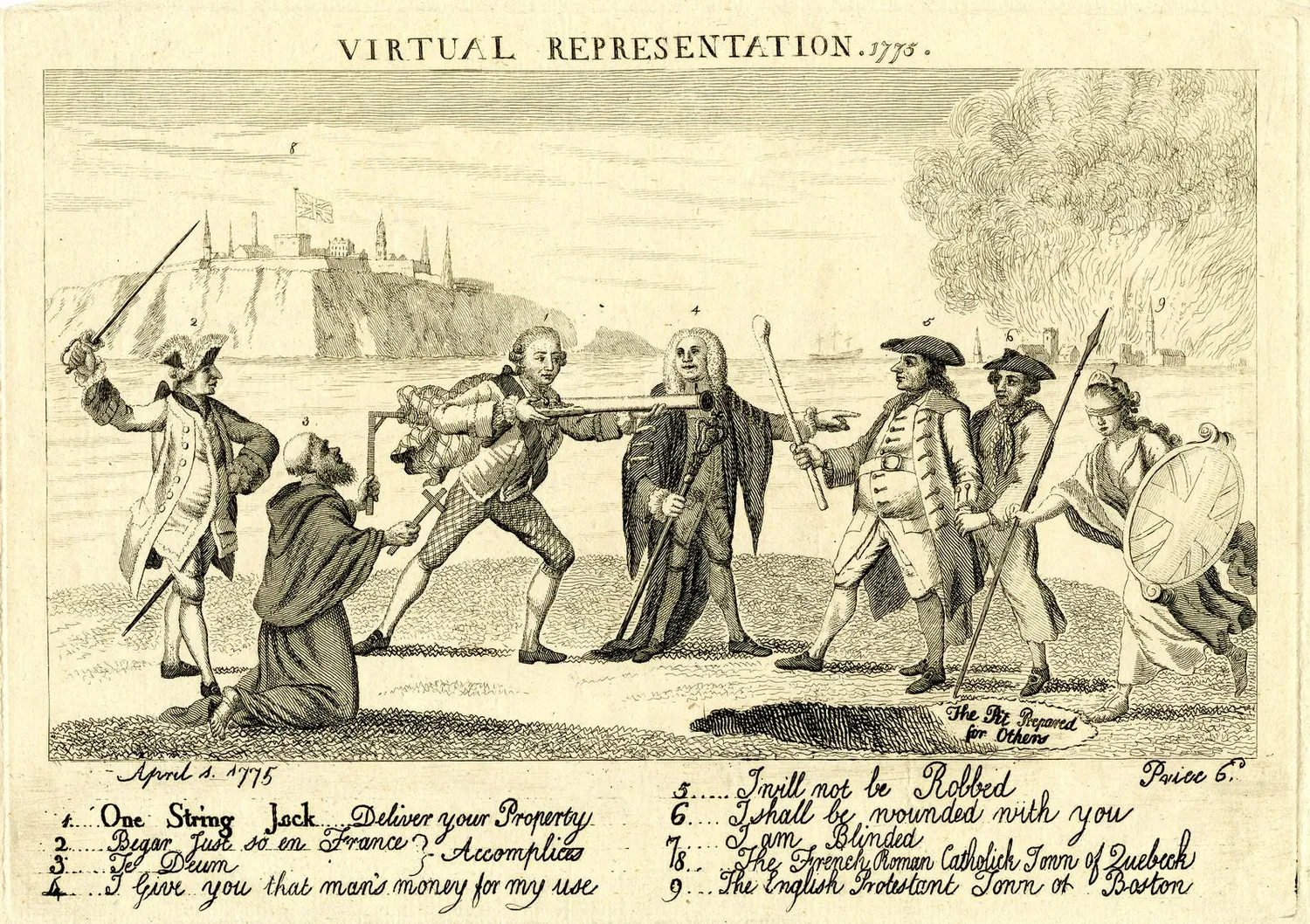
This engaging history reading passage explores the story of the Shot Heard Round the World, a key event that started the American Revolution. Students will learn about the battles of Lexington and Concord, the bravery of colonial Minutemen, and important figures such as Paul Revere. The passage is designed to support literacy, includes a clear timeline, and highlights cause-and-effect relationships. Aligned with the C3 Framework and Common Core ELA standards, it includes a glossary of key terms, a Spanish translation, and multiple activities. Students will answer comprehension questions, practice writing about historical events, and analyze the significance of the first shots fired in Massachusetts. This resource includes a read aloud audio and helps students connect past events to American history.
On the night of April 18, 1775, Paul Revere set out on a special mission. He had to warn the American colonists that British soldiers were coming. The British wanted to capture colonial leaders and take their weapons in the towns of Lexington and Concord.
Paul Revere was part of a group called the Sons of Liberty. These men wanted the colonies to be free from British control. When Revere found out the British were moving, he quickly made a plan. He would ride his horse through the night to spread the word.
Revere first asked his friend to hang two lanterns in the Old North Church. This was a secret signal to show that the British were coming by sea. Then, Revere rode across the Charles River and jumped onto his horse. He started his midnight ride through the dark countryside.
As he rode, Revere stopped at houses along the way. He knocked on doors and called out, "The British are coming!" These warnings helped the minutemen, who were colonists trained to fight at a minute's notice, get ready for battle.
Revere was not alone. Other riders, like William Dawes and Dr. Samuel Prescott, also spread the warning. Together, they reached many people before the British arrived. The message traveled fast through the towns.
Because of Revere's warning, the minutemen prepared to face the British at Lexington and Concord. When the British soldiers arrived in the morning, the colonists were ready. The first shots were fired, starting the American Revolution.
Paul Revere's ride showed great bravery and quick thinking. He risked his life to help others and to fight for freedom. His message made a big difference in American history.
Interesting Fact: Paul Revere never finished the whole ride to Concord. He was stopped by British soldiers, but his warning had already spread and helped the colonists get ready.
Who was Paul Revere?
A colonial messengerA British soldierA presidentA mayor
What was the Sons of Liberty?
A group wanting freedomBritish soldiersA church groupA sports team
Which towns did the British want to reach?
Lexington and ConcordBoston and SalemNew York and AlbanyPhiladelphia and Yorktown
Why did Revere ride at night?
To warn colonistsTo deliver mailTo find foodTo count houses
What was the effect of Revere's warning?
Minutemen got readyBritish leftColonists moved awayChurch was built
What is a 'minuteman'?
A quick fighterA church leaderA messengerA British officer
Paul Revere finished his ride to Concord. True or false?
FalseTrue
What does 'bravery' mean?
CourageHungerTirednessSadness
Perfect For:
👩🏫 Teachers
• Reading comprehension practice
• Auto-graded assessments
• Literacy skill development
👨👩👧👦 Parents
• Reading practice at home
• Comprehension improvement
• Educational reading time
🏠 Homeschoolers
• Reading curriculum support
• Independent reading practice
• Progress monitoring
Reading Features:
📖
Reading Passage
Engaging fiction or nonfiction text
❓
Comprehension Quiz
Auto-graded questions
📊
Instant Feedback
Immediate results and scoring
📄
Printable Version
Download for offline reading
🔊
Read Aloud
Voice-over with word highlighting
Reviews & Ratings
No reviews yet. Be the first to share your experience!
Related Content
Pueblos: Desert Homes of the Southwest
This engaging U.S. history reading passage explores the Pueblos, the unique desert homes of the Southwest. Students will...
D2.HIS.1-3.3-5RI.4.1RI.4.2RI.4.4
Creating the American Flag
This engaging reading passage explores the creation of the American flag, highlighting its importance as a national symb...
D2.HIS.1-3.3-5RI.4.3RI.4.4W.4.2
The Liberty Bell Rings for Freedom
This engaging history reading passage, 'The Liberty Bell Rings for Freedom,' introduces students to the story and signif...
D2.HIS.1-3.3-5RI.4.1RI.4.4RI.4.5
Building Washington D.C., Our Capital
This history reading passage explores the building of Washington D.C., the capital of the United States. Students will l...
D2.HIS.1-3.3-5D2.HIS.14.3-5RI.4.3RI.4.4
The Battle of Gettysburg and Lincoln's Address
This engaging U.S. History reading passage explores the Battle of Gettysburg and Abraham Lincoln's famous Gettysburg Add...
D2.HIS.1-3.3-5RI.4.3RI.4.4W.4.2
Pearl Harbor: America Enters the War
This engaging reading passage introduces students to the historic event of Pearl Harbor and America’s entry into World W...
D2.HIS.1-3.3-5RI.4.3RI.5.2
The Internet Connects the World
This reading passage explores the fascinating story of how the Internet connects people across the globe and changed the...
D2.HIS.1-3.3-5RI.4.1RI.4.3RI.4.4
Snorkeling & Scuba Diving
RI.2.2RI.2.6RI.2.10RF.2.4.A
Polar Bears and Climate
This informational text on polar bears is a great way to practice reading comprehension. Students will read the passage ...
RI.4.1W.4.72-LS4-1RF.4.4
Climate and Water Cycle
W.4.2.ARI.4.4RI.4.1
Earthquakes and Infrastructure
Get this worksheet about the effects of earthquakes on infrastructure. The worksheet includes an informational passage t...
W.4.7RI.4.1ESS3B
The Rubik's Cube
RI.2.2RI.2.6RI.2.10RF.2.4.A
Understanding Climate Action Context Clues
Understanding Climate Action" worksheet, aligned with CCS L.4.4.A and NGSS. This resource introduces key concepts such a...
L.4.4.ARI.4.1RI.4.4
Earthquake and buildings
Download this worksheet on the impact of earthquakes on buildings. The informational text included in this worksheet is ...
RI.4.1ESS3BW.4.7RF.4.4
How Do Scientists Study Past Climates?
Students will analyze how tools like ice cores and tree rings provide scientific evidence about Earth’s historical clima...
RI.4.1RI.4.2RI.4.3.4.RI.4.74-ESS2-2
Earth Day and Types of Pollution
Earth Day is coming! Get ready to learn about pollution and test your knowledge. Click for a free reading passage and qu...
RI.4.1RI.4.2ESS3.CESS3.A
Earth Day and Green Initiatives
Celebrate Earth Day with this fun and educational activity! Students will begin by reading a short passage that explains...
RI.4.1RI.4.2ESS3.CESS3.A
Sunspots and Solar Flares
This quiz is designed to test your understanding of the fascinating phenomena of sunspots and solar flares, as described...
RI.4.1RI.4.4RI.5.1ESS1.A
How might climate change affect animals?
This passage explains to children how climate change impacts animal life. It uses specific examples like polar bears los...