Spacesuits: Technology for Survival
Interactive passage with audio narration, comprehension questions, and printable PDF.
By completing this purchase you agree to our Terms of Use and Privacy Policy. Your subscription renews automatically until you cancel. You can cancel anytime from your account settings. All sales are final and non-refundable. Digital content is available for download in your account immediately upon purchase.
What's included
Spacesuits: Technology for Survival preview and details
About this printable Spacesuits: Technology for Survival reading passage (Grades 5-8)
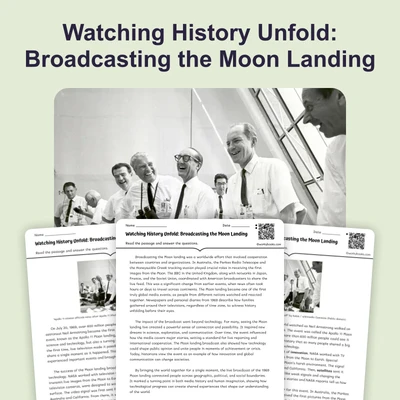
Sample passage and quiz from Spacesuits: Technology for Survival
Reading passage and comprehension quiz preview
Spacesuits: Technology for Survival
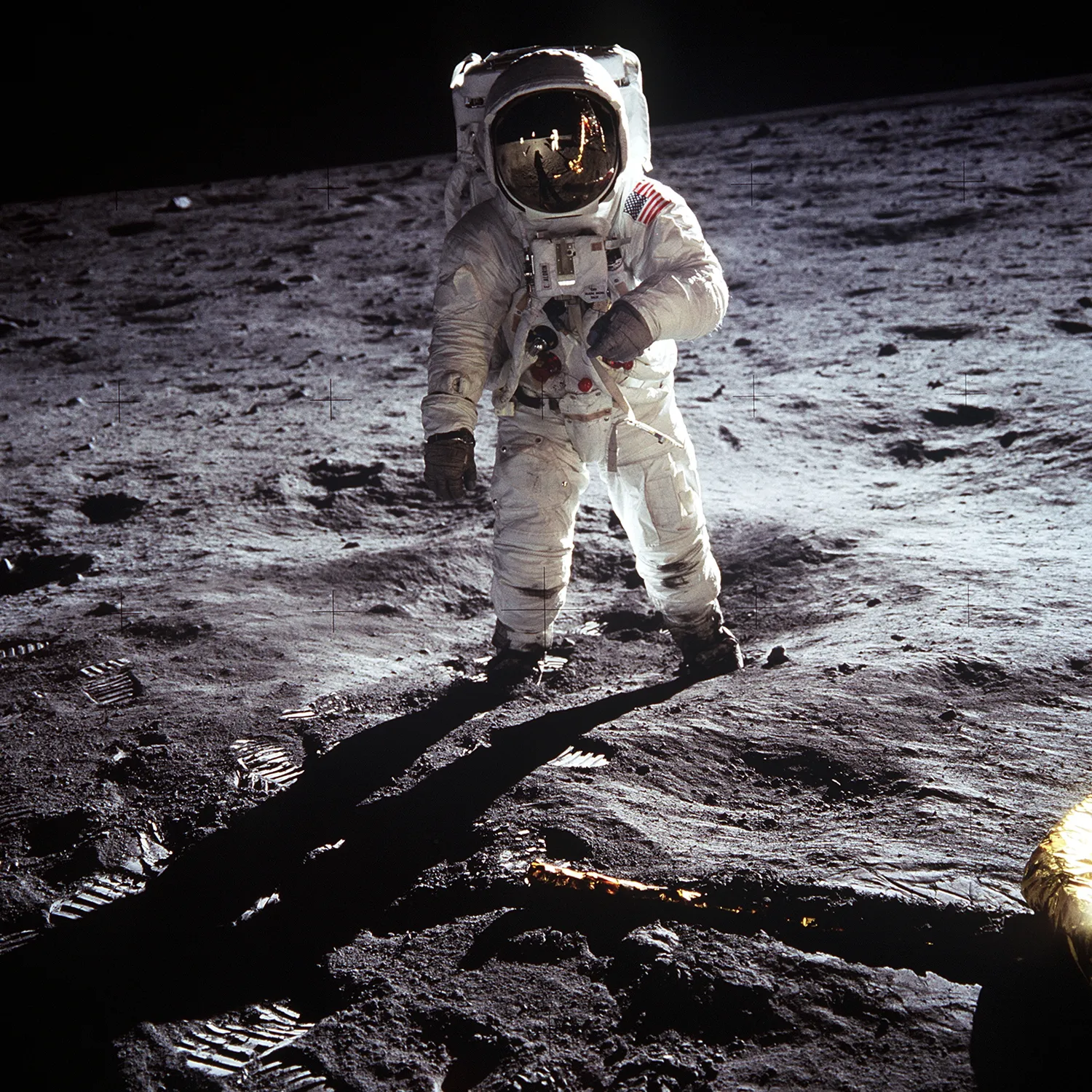
"NASA Spacesuits" / Wikimedia Commons (Public domain).
Spacesuits are essential technology that has enabled astronauts to survive and work beyond Earth. Since the 1960s, these specially designed suits have protected astronauts from the harsh conditions of space, including extreme temperatures, dangerous radiation, and the vacuum where no air exists. Understanding how spacesuits work demonstrates how technological advances change the possibilities for human exploration.
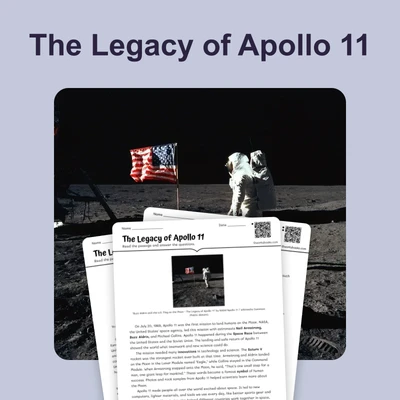
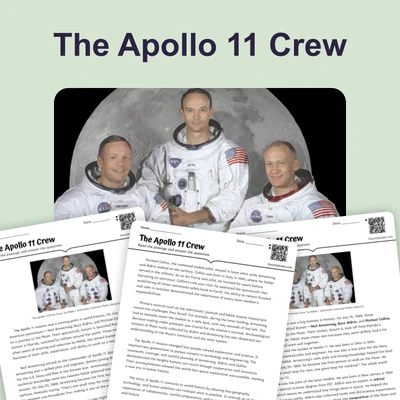
Spacesuits must meet several critical requirements to keep astronauts safe. First, they provide a sealed environment with breathable air and the correct pressure to prevent the body from swelling in the vacuum of space. The famous Apollo missions, especially Apollo 11 in July 1969, provide primary evidence of spacesuit effectiveness. Photographs and mission logs show astronauts Neil Armstrong and Buzz Aldrin walking and working on the lunar surface, protected by their suits. The suits used multiple layers, including insulation and a tough outer shell, to guard against sharp lunar rocks and temperature changes. Moon temperatures can reach over 250 degrees Fahrenheit in sunlight and drop to minus 250 degrees in shadow. Without the suit, an astronaut would not survive these extremes.
Another vital function of spacesuits is to shield astronauts from radiation. Space is filled with harmful solar and cosmic rays that can seriously damage human cells. The suits include a visors coated with gold to reflect radiation and prevent eye injuries. The suits also carry a life support system backpack containing oxygen tanks, cooling water, and communication equipment. This backpack allowed astronauts to move freely and work outside their spacecraft for up to eight hours.
Spacesuit design has changed over time as technology has improved. Early suits, like those used during Project Mercury (1961-1963), were lighter and less complex than later models. By the Apollo era, suits included more advanced insulation, stronger materials, and better mobility joints. NASA engineers tested suits in laboratories and vacuum chambers before sending them to space. Today, modern suits are even more flexible and protective, incorporating lessons learned from decades of space exploration.
Spacesuits have had a lasting impact on human achievement in space. They represent the intersection of science, engineering, and geography, allowing people to survive in places far beyond Earth’s atmosphere. Without these advanced suits, the historic moment of humans walking on the Moon would not have been possible.
The development and improvement of spacesuits reflect the broader theme of how innovation enables societies to overcome environmental challenges and expand the limits of what is possible.
Interesting Fact: The first spacewalk, or extravehicular activity, took place in 1965 when Soviet cosmonaut Alexei Leonov spent 12 minutes outside his spacecraft, wearing a specially designed suit that inflated in the vacuum of space.
Comprehension quiz (8 questions)
1. What is the main job of a spacesuit?
2. Who walked on the Moon in 1969?
3. What protects astronauts from space radiation?
4. Why do suits have many layers?
5. How did spacesuit design change over time?
6. What is a life support system?
7. Spacesuits are not needed on the Moon. True or false?
8. What does 'vacuum' mean?
Perfect for the way you teach
- Build comprehension skills
- Auto-graded quiz
- Differentiated reading
- Read together at home
- Improve fluency
- Quiet reading time
- Reading curriculum support
- Independent practice
- Track Lexile growth