Trench Warfare in World War I — Reading Comprehension
Rate this|
1
Premium Resource
Present
Present in classroom. No work saved
Assign
Classroom with student accounts, Track progress
Quick Play
No student accounts, assign with a link
Grades
5
6
7
8
PRINT+DIGITAL RESOURCE
This learning resource is available in interactive and printable formats. The interactive worksheet can be played online and assigned to students. The Printable PDF version can be downloaded and printed for completion by hand.
This comprehensive history reading passage explores the realities of life in the trenches during World War I, aligned to CA HSS 10.5.3 and CCSS RH.6-8.1. Students will discover the harsh living conditions, daily routines, and psychological effects faced by soldiers on the Western Front. The passage integrates key vocabulary, primary source examples, and cause-and-effect relationships, challenging students to analyze history like a historian. Activities include a multiple-choice quiz, writing prompts, graphic organizers, a timeline, and a glossary. Read aloud audio and a full Spanish translation are included to support diverse learners. The resource is ideal for inquiry-based classrooms and helps students connect historical events to broader world history themes.
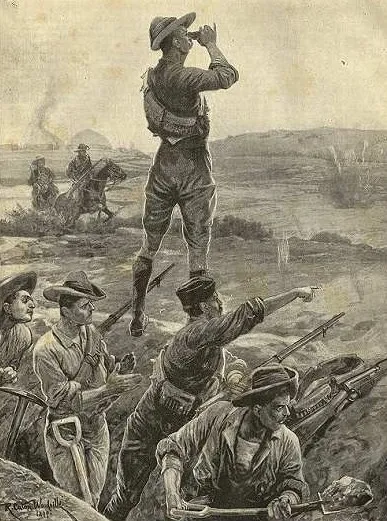
During World War I, millions of soldiers from many nations spent months or even years living in trenches. Trenches were long, narrow ditches dug into the ground to protect troops from enemy fire. The Western Front, stretching from the North Sea to Switzerland, became a network of trenches by late 1914. Life in these trenches was physically and emotionally demanding, shaping the experiences of an entire generation.
Soldiers faced constant dangers and discomforts. The trenches were muddy and often filled with water, leading to a painful condition known as trench foot, caused by standing in cold, wet conditions for long periods. Rats, lice, and insects infested the trenches, spreading disease and making daily life miserable. Soldiers had to carry heavy equipment including rifles, ammunition, and gas masks at all times. Letters and diaries, such as those from British soldier Harry Drinkwater, describe the constant fear of artillery bombardments and surprise attacks. The noise, lack of sleep, and threat of death led many to suffer from what was then called "shell shock," now known as post-traumatic stress disorder (PTSD).
Daily routines in the trenches were monotonous but essential for survival. Soldiers rotated between front-line, support, and reserve trenches, with each position offering different levels of danger and rest. Tasks included repairing sandbags, cleaning weapons, and standing guard. Food was limited and usually consisted of hard biscuits, canned meat, and tea. Clean water was scarce, and hygiene was difficult to maintain. Soldiers tried to keep their spirits up by writing letters home or singing songs, but homesickness and boredom were common.
Despite these hardships, soldiers developed strong bonds with one another, creating a sense of camaraderie. Hierarchies existed, with officers having slightly better living conditions and duties than regular soldiers. Yet, all faced the same risks from enemy fire and disease. Geography played a major role in trench warfare, as the flat, muddy fields of northern France and Belgium made it nearly impossible for either side to advance without heavy losses. Over time, both sides built more complex trench systems including communication trenches and dugouts for shelter.
Life in the trenches had lasting effects on those who survived. Many soldiers returned home physically wounded or mentally scarred. The horrors of trench warfare influenced literature, art, and the way people remembered World War I. Understanding trench life helps us grasp the human cost of war and why so many called World War I "the war to end all wars."
This topic connects to broader themes in world history, such as the impact of technology on warfare and the experiences of ordinary people during major events.
Interesting Fact: Some soldiers decorated their trenches with homemade furniture and painted signs to create a sense of home far from their actual homes.
What was the main purpose of trenches?
To protect soldiers from enemy fireTo store food suppliesTo train new recruitsTo hold enemy prisoners
Where was the Western Front located?
From North Sea to SwitzerlandOnly in North AmericaAlong the Russian borderIn southern Africa
Who was Harry Drinkwater?
A British soldierA famous generalA war nurseA French artist
What caused trench foot?
Cold, wet conditionsEating bad foodCarrying heavy equipmentLack of sleep
How did geography affect trench warfare?
Flat, muddy land slowed advancesMountains blocked soldiersDeserts made movement easyForests gave cover everywhere
Why did soldiers feel camaraderie?
They shared hardships togetherThey had better foodThey slept moreThey avoided fighting
Trenches were only used in World War II.
TrueFalse
What does 'artillery' mean?
Large guns used in warA type of diseaseA kind of foodA soldier's friend
Perfect For:
👩🏫 Teachers
• Reading comprehension practice
• Auto-graded assessments
• Literacy skill development
👨👩👧👦 Parents
• Reading practice at home
• Comprehension improvement
• Educational reading time
🏠 Homeschoolers
• Reading curriculum support
• Independent reading practice
• Progress monitoring
Reading Features:
📖
Reading Passage
Engaging fiction or nonfiction text
❓
Comprehension Quiz
Auto-graded questions
📊
Instant Feedback
Immediate results and scoring
📄
Printable Version
Download for offline reading
🔊
Read Aloud
Voice-over with word highlighting
Reviews & Ratings
No reviews yet. Be the first to share your experience!
Related Content
Causes of World War I
This comprehensive history reading passage explores the complex causes of World War I, focusing on alliances, nationalis...
World War I Impact on America
This engaging history reading passage explores World War I's impact on society and culture, highlighting key changes in ...
Russia Exits World War I
This comprehensive world history reading passage explores the Russian Revolution and how Russia exited World War I. Stud...
Events Leading to World War II
This passage explores the complex causes of World War II, focusing on the interwar period, the Treaty of Versailles, the...
The Western Front in World War I
This engaging history reading passage explores the major battles of the Western Front during World War I, focusing on th...
War Bonds: Financing World War II
This passage examines the critical role of war bonds in financing World War II, focusing on how the U.S. government enco...
D2.HIS.2.3-5D2.HIS.3.3-5RI.4.3RI.4.4
America Enters the War: 1917
This comprehensive history reading passage explores America’s entry into World War I in 1917, examining the causes, even...
Leaders and Decisions in World War II
This passage explores the major leaders of World War II and the critical decisions they made that shaped the course of g...
American Life During World War II
This history reading passage explores life on the home front during World War II, focusing on the experiences of ordinar...
America Enters World War II
This history reading passage analyzes America’s entry into World War II, focusing on the causes, perspectives, and conse...
D2.HIS.2.3-5D2.HIS.3.3-5RI.4.3RI.4.4
World War II Home Front
This rigorous U.S. history reading passage explores the complexities and challenges of the World War II Home Front, focu...
D2.HIS.2.3-5D2.HIS.3.3-5RI.6.3RI.6.4
Japan Surrenders: World War II Ends
This comprehensive history reading passage examines the pivotal moment when Japan surrendered in August 1945, bringing W...
D2.HIS.2.3-5D2.HIS.3.3-5RI.4.3RI.4.4
Black History Month Word Search
RF.4.3RF.5.3L.4.4L.5.4
The Korean War
This comprehensive history reading passage explores the causes, events, and impact of the Korean War, the first major co...
Word Families: —ight Words
This word families worksheet focuses on -ight words and is designed to help 4th-grade students practice their reading an...
RF.4.4
Worky World! Capitalize Locations
This capitalization sheet will help students to practice capitalizing geographic locations. Illustrated on the sheet is ...
L.2.2.AL.2.2
Anne Frank's Message to the World
This reading passage explores the life and legacy of Anne Frank, a Jewish teenager who documented her experiences during...
Easy Black History Month Word Search
RF.4.3RF.5.3L.4.4L.5.4
America Fights in the Vietnam War
This engaging world history reading passage explores the Vietnam War and the Domino Theory, a key idea that shaped U.S. ...