The Sioux: Warriors and Tribal Leaders — Reading Comprehension
Rate this
Premium Resource
Present
Present in classroom. No work saved
Assign
Classroom with student accounts, Track progress
Quick Play
No student accounts, assign with a link
Grades
3
4
5
Standards
D2.HIS.1.3-5
D2.HIS.2.3-5
RI.4.1
RI.4.3
PRINT+DIGITAL RESOURCE
This learning resource is available in interactive and printable formats. The interactive worksheet can be played online and assigned to students. The Printable PDF version can be downloaded and printed for completion by hand.
This history reading passage explores the Sioux Nation, focusing on their roles as warriors and tribal leaders. Students will learn about important events, key leaders like Sitting Bull, and how the Sioux people worked together to solve problems and protect their way of life. The passage uses clear language and highlights cause-and-effect relationships, making it suitable for building foundational literacy skills. Included are a glossary, multiple-choice questions, writing activities, and a timeline of the Sioux's history. Features like a read aloud audio and a full Spanish translation support diverse learners. The passage and activities align with the C3 Framework and Common Core standards, helping students understand U.S. history and key vocabulary while developing reading comprehension and writing skills. Perfect for classroom or independent learning, this resource helps students connect with the rich history of Native Americans and their impact on the nation.
CONTENT PREVIEW
Expand content preview
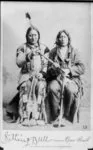
Portraits of Sitting Bull and nephew, One Bull, of the Hunkpapa-Teton Dakota (Sioux) Source: Library of Congress - Palmquist & Jurgens
The Sioux Nation is made up of three main groups: the Lakota, Dakota, and Nakota peoples. They lived on the wide, grassy lands called the Great Plains, which stretch across the center of North America. The Sioux became skilled hunters and followed the buffalo herds. The buffalo was the most important animal in their lives.
The Sioux depended on buffalo for nearly everything. They used buffalo meat for food. The hides became clothing, shoes, and warm blankets. Sioux families built their homes, called tipis, from long wooden poles and buffalo skins. Buffalo bones and horns were made into tools, weapons, and even toys for children. Nothing was wasted. This careful use of resources helped the Sioux survive in a land with cold winters and hot summers.
Sioux life was organized around the seasons and the movement of the buffalo. In the spring and summer, families traveled together to find herds. In the fall and winter, they returned to camps where they could stay warm. The Sioux worked together, sharing food and caring for each other. Men hunted and protected the group. Women prepared food, made clothing, and set up tipis. Children learned important skills by watching their parents and elders.
The Sioux were known as a warrior society. Warriors protected their people from danger. They showed bravery and skill in battle. Sioux leaders, called chiefs, were chosen for their wisdom and courage. Chiefs helped make important decisions and led ceremonies to honor the spirits of nature.
Traditions were very important to the Sioux. They told stories, sang songs, and danced to remember their history. Special ceremonies marked important times, like the Sun Dance. Storytelling helped children learn about their ancestors and the world around them. The Sioux also respected the land, animals, and all living things.
Over time, changes in the land and the arrival of new settlers made life harder for the Sioux. The loss of buffalo herds changed their way of life. But the Sioux Nation kept their traditions alive and continue to share their culture today.
Interesting Fact: The word "Sioux" comes from a name given by other Native groups, but the Sioux people call themselves "Oceti Sakowin," which means "Seven Council Fires."
What animal was most important to the Sioux?
BuffaloDeerHorseBear
How did Sioux use buffalo hides?
For clothing and tipisTo make boatsFor fishing netsFor writing tools
Who were the leaders of the Sioux?
ChiefsWarriorsFarmersMerchants
Why did Sioux move with the seasons?
To follow buffalo herdsTo find new riversTo grow cropsTo meet other tribes
What happened when settlers arrived?
Buffalo herds grewLife became harderSioux built bigger citiesSioux left the Great Plains
Why was the buffalo important to Sioux life?
It was used for many needsIt was easy to catchIt made good petsIt was a symbol of peace
The Sioux Nation includes Lakota, Dakota, Nakota. True or false?
TrueFalse
What is a tipi?
A home made of poles and skinsA hunting toolA buffalo boneA type of food
Perfect For:
👩🏫 Teachers
• Reading comprehension practice
• Auto-graded assessments
• Literacy skill development
👨👩👧👦 Parents
• Reading practice at home
• Comprehension improvement
• Educational reading time
🏠 Homeschoolers
• Reading curriculum support
• Independent reading practice
• Progress monitoring
Reading Features:
📖
Reading Passage
Engaging fiction or nonfiction text
❓
Comprehension Quiz
Auto-graded questions
📊
Instant Feedback
Immediate results and scoring
📄
Printable Version
Download for offline reading
🔊
Read Aloud
Voice-over with word highlighting
Reviews & Ratings
No reviews yet. Be the first to share your experience!
Related Content
Native American Tribes Across America
This engaging history reading passage introduces students to Native American tribes across America, focusing on their da...
D2.HIS.1.3-5D2.HIS.2.3-5RI.4.1RI.4.2
Jamestown: The First Permanent English Colony
This engaging history passage explores the founding of Jamestown, the first permanent English colony in America. Aligned...
D2.HIS.1.3-5D2.HIS.2.3-5RI.4.3RI.4.4
Pocahontas and the Powhatan People
This engaging reading passage explores the life of Pocahontas and the Powhatan people and their important role in early ...
D2.HIS.1.3-5D2.HIS.2.3-5RI.4.1RI.4.3
Colonial Games and Entertainment
This engaging history reading passage explores the types of games and entertainment enjoyed by children and families in ...
D2.HIS.1.3-5RI.4.3RI.4.4
Colonial Towns and Village Life
This engaging history reading passage explores the daily life, work, and unity found in colonial towns and villages. Ali...
D2.HIS.1.3-5D2.HIS.2.3-5RI.4.3RI.4.4
George Washington Leads the Army
This engaging history reading passage explores how George Washington bravely led the Continental Army during the America...
D2.HIS.1.3-5D2.HIS.2.3-5RI.4.3RI.4.4
The Battle of Yorktown Ends War
This engaging U.S. history reading passage explores the Battle of Yorktown, a key event that ended the American Revoluti...
D2.HIS.1.3-5D2.HIS.2.3-5RI.4.1RI.4.3
Life as a Continental Soldier
This passage explores the daily life of a Continental Soldier during the American Revolutionary War, highlighting challe...
D2.HIS.1.3-5RI.4.1RI.4.3
Loyalists vs. Patriots: Divided Families
This engaging U.S. history reading passage explores the division between Loyalists and Patriots during the American Revo...
D2.HIS.1.3-5D2.HIS.2.3-5RI.4.3RI.4.4
Manifest Destiny: Coast to Coast
This engaging U.S. history reading passage explores Manifest Destiny and the westward expansion of the United States. St...
D2.HIS.1.3-5D2.HIS.2.3-5RI.4.3RI.4.4
Abraham Lincoln Becomes President
This engaging U.S. history reading passage introduces students to the story of Abraham Lincoln’s rise to the presidency....
D2.HIS.1.3-5D2.HIS.2.3-5RI.4.3RI.4.4
The Southern States Leave the Union
This engaging reading passage explores the key events leading up to the Southern states leaving the Union before the Civ...
D2.HIS.1.3-5D2.HIS.2.3-5RI.4.3RI.4.4
Lincoln Assassinated at Ford's Theatre
This history reading passage explores the events of President Abraham Lincoln's assassination at Ford's Theatre in 1865....
D2.HIS.1.3-5D2.HIS.2.3-5RI.4.3RI.4.4
Juan Cabrillo Explores California
This engaging U.S. history reading passage introduces students to Juan Cabrillo, the first European explorer to reach Ca...
D2.HIS.1.3-5D2.HIS.2.3-5D2.HIS.3.3-5RI.4.3
California's Early Spanish Settlements
This engaging U.S. history reading passage explores life during the early Spanish settlements in America, highlighting t...
D2.HIS.1.3-5D2.HIS.2.3-5D2.HIS.3.3-5RI.4.1
Discovery of Gold in 1848 by James Marshall
This engaging U.S. History passage introduces students to the discovery of gold in 1848 by James Marshall and the beginn...
D2.HIS.1.3-5D2.HIS.2.3-5D2.HIS.3.3-5RI.4.1
The Gold Rush Changes California Forever
This engaging U.S. History reading passage explores how the Gold Rush changed California forever. Students will learn ab...
D2.HIS.1.3-5D2.HIS.2.3-5D2.HIS.16.3-5RI.4.3
The Golden Spike: Connecting California to the Nation
This engaging U.S. history reading passage teaches students about the Golden Spike and how the first transcontinental ra...
D2.HIS.1.3-5D2.HIS.2.3-5D2.HIS.14.3-5RI.4.3
Farms, Factories, and Growing Cities
This engaging U.S. history reading passage explores the dramatic changes in America during the Progressive Era, focusing...