
Passage
Grades 3–5
What Are Tsunamis
Reading Passage · NGSS 4-ESS3-2
$1.50

Explore our Plate Movement curriculum resources for grades K-8, including worksheets, games, readers, and activities. This hub spans the full K-5 progression, from introducing Earth's layers to analyzing tectonic plate boundaries, helping teachers and parents find the right level for every learner.
Reading Passage · NGSS 4-ESS3-2
Reading Passage · NGSS 4-ESS3-2
Reading Passage · MS-ESS2-2
Reading Passage · MS-ESS2-2

Reading Passage · MS-ESS2-2

Reading Passage · MS-ESS2-2
Reading Passage · MS-ESS2-2
Reading Passage · MS-ESS2-2
Three ways to use Workybooks — pick what fits.
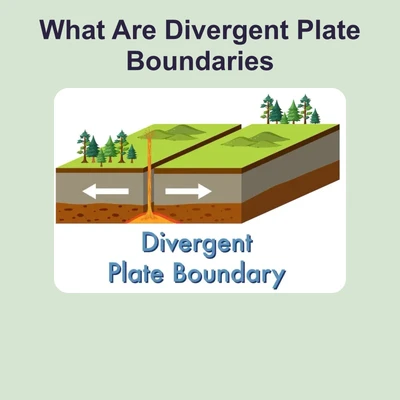
Plate Movement resources on Workybooks follow a K-5 progression that builds foundational understanding and deepens over time. In the earliest grades, students learn about Earth's layers (crust, mantle, core) and the basic idea that the Earth's surface moves. As they move into upper elementary, they explore types of plate boundaries (divergent, convergent, transform), the driving forces like convection currents, and related phenomena such as earthquakes, volcanoes, and mountain formation. Along the way, students practice skills like reading diagrams, interpreting models, sequencing events, and using evidence to explain changes.
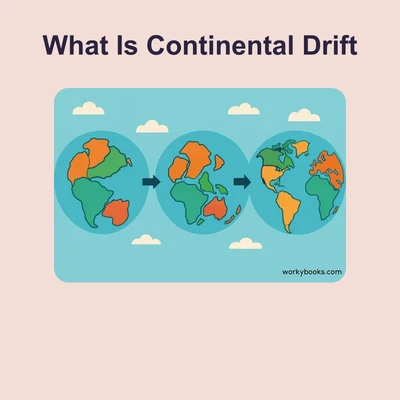
These resources connect plate tectonics to related concepts like continental drift (Alfred Wegener), seafloor spreading, and the rock cycle. By using a mix of printable and digital formats, students engage with hands-on activities, reading passages, graphic organizers, and interactive games that reinforce key vocabulary and big ideas. The progression ensures that concepts are scaffolded: younger students focus on observation and description, while older students analyze cause-and-effect and apply scientific reasoning.
Teachers can use this hub to differentiate instruction across a mixed-ability classroom. Select resources by grade band for whole-group introduction, then assign leveled worksheets or reading passages for small groups, literacy centers, or independent practice. Use the interactive games for review or as a station activity. Printable resources work well for homework, intervention, or assessment, while digital versions offer no-prep options for classroom-ready use. Because resources span multiple grades, you can scaffold up or down for individual students, making it easy to support both struggling learners and those ready for enrichment. The variety of formats also supports different instructional settings: whole-group lessons, small-group work, center rotations, and one-on-one intervention.
These resources are designed to align with grade-level Common Core and Next Generation Science Standards for Earth Science, covering key concepts in plate tectonics across the elementary and middle school grade span.
Yes, many of our Plate Movement worksheets are printable. You can download and print them for classroom use, homework, or centers. Some resources are also available in digital format for use on devices. Note that while some resources are free, most require a paid membership.
Absolutely. Our Plate Movement worksheets for kids are designed for grades K-8, with age-appropriate content and activities. Younger students explore Earth's layers and basic movement, while older students dive into plate boundaries and tectonic processes. All resources are teacher-authored and classroom-tested.
This hub includes a variety of resource types: worksheets, reading passages, interactive games, graphic organizers, and hands-on activities. You'll find everything from labeling diagrams and vocabulary exercises to simulation games and writing prompts. This mix supports different learning styles and instructional settings.
Because the page spans K-8, you can filter resources by grade level to find the right fit. For a mixed-age classroom, use simpler resources for introduction and more complex ones for enrichment. The progression from basic to advanced allows you to differentiate easily, using the same topic with varying depth across your students.