
Passage
Grades 3–5
What Are Tsunamis
Reading Passage · NGSS 4-ESS3-2
$1.50

Explore our collection of Plate Tectonics curriculum resources for grades K-8. These printable and digital worksheets, reading passages, and activities help students understand Earth's dynamic surface, from plate movement to earthquakes and volcanoes. Some resources are free, while others require a Workybooks membership.
Reading Passage · NGSS 4-ESS3-2
Reading Passage · NGSS 4-ESS3-2
Reading Passage · NGSS 4-ESS3-2
Reading Passage · NGSS 4-ESS3-2
Reading Passage · NGSS 4-ESS3-2
Reading Passage · NGSS 4-ESS3-2
40% off until Aug 1
Reading Passage · NGSS 4-ESS2-2
Reading Passage · NGSS 4-ESS3-2
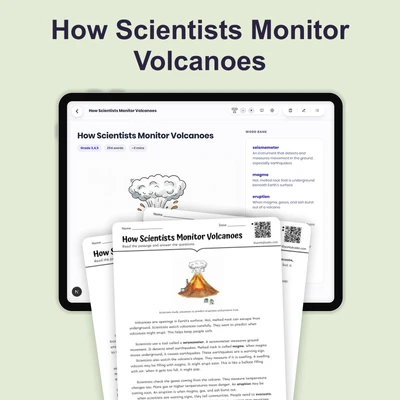
Reading Passage · NGSS 4-ESS3-2
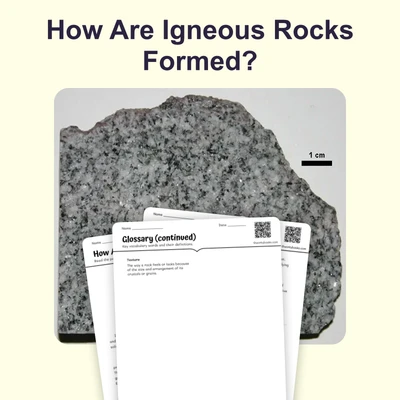
Reading Passage · MS-ESS2-3
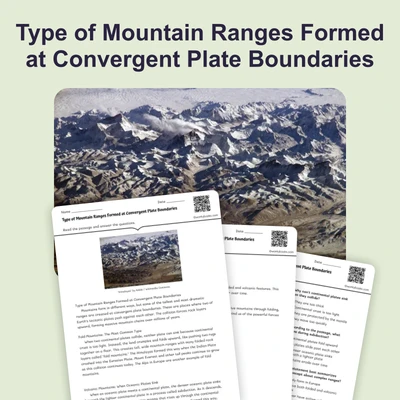
Reading Passage · MS-ESS2-3
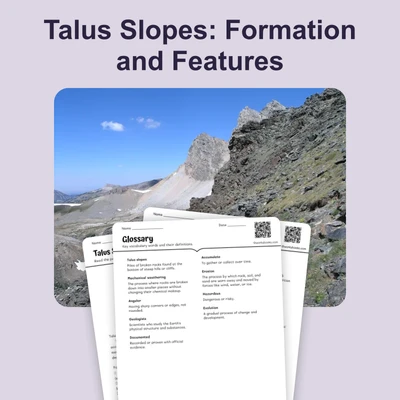
Reading Passage · MS-ESS2-1
Reading Passage · MS-ESS2-2
40% off until Aug 1
Reading Passage · MS-ESS2-2

Reading Passage · MS-ESS2-2

Reading Passage · MS-ESS2-2
Reading Passage · MS-ESS3-2
Reading Passage · MS-ESS2-3
Reading Passage · MS-ESS2-2
Reading Passage · MS-ESS2-2
Reading Passage · MS-ESS3-2
Three ways to use Workybooks — pick what fits.
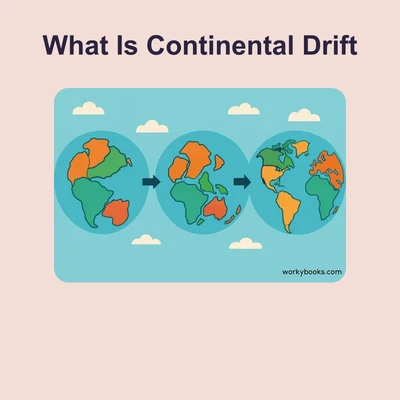
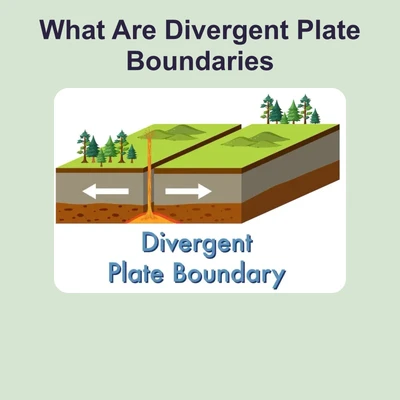
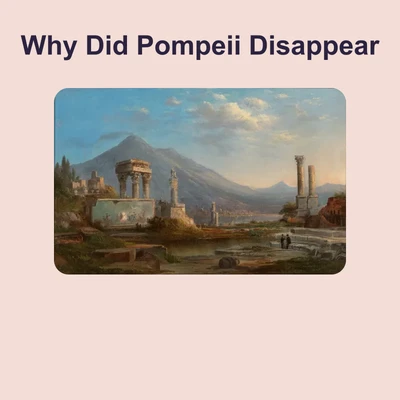
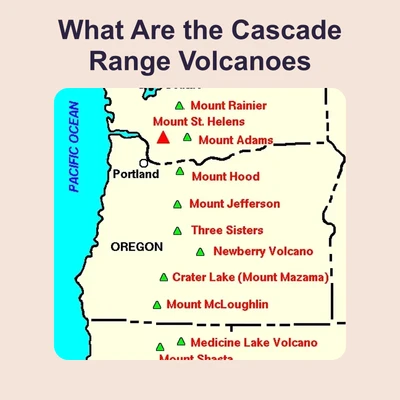
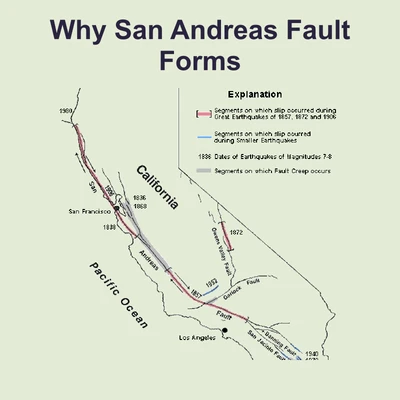
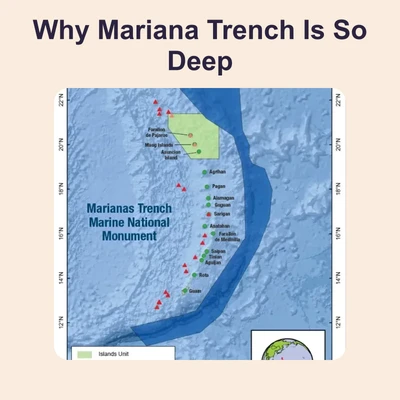
In the earliest grades, students begin with basic concepts like Earth's layers and the idea that the ground can move. They explore how continents fit together like a puzzle and learn simple terms like 'earthquake' and 'volcano.' As students progress through upper elementary and middle school, they dive into the mechanisms of plate tectonics: convergent, divergent, and transform boundaries; subduction; seafloor spreading; and mountain building. They examine real-world examples such as the San Andreas Fault, the Mariana Trench, and the Cascade Range volcanoes. Resources cover related concepts like rock formation (igneous rocks), continental drift, and the history of scientific discovery (Alfred Wegener, Pompeii). By the end of the progression, students can model plate movements, explain how earthquakes and volcanoes are linked to plate boundaries, and analyze evidence for plate tectonics.
Our resources address three key subtopics: Plate Movement (including boundary types and continental drift), Earthquakes (causes, faults, and effects like the San Andreas Fault), and Volcanoes (formation, types, and historic eruptions). These themes connect to build a complete understanding of Earth's dynamic systems.
Teachers can use this hub to differentiate instruction across a mixed-ability classroom. For whole-group lessons, select a grade-appropriate reading passage or activity to introduce a concept. In small groups or centers, assign differentiated versions of the same topic so each student works at their level. Printable worksheets work well for independent practice, homework, or intervention, while digital activities can be used on devices for review or assessment. Mix and match resources to create a scaffolded learning path: start with a free introductory passage, then use paid resources for deeper exploration. The collection supports literacy centers, science blocks, and cross-curricular connections.
These resources align with grade-level Common Core standards for reading informational text and with Next Generation Science Standards related to Earth's systems and plate tectonics. Specific standards vary by grade and resource.
Yes, many of our Plate Tectonics worksheets are printable PDFs that you can download and use in your classroom. Some are also available as digital activities. Look for the 'printable' label on each resource.
Yes, our Plate Tectonics worksheets for kids span grades K-8. Each resource is labeled with a grade range, so you can choose the right level for your students. We offer differentiated versions for many topics.
Some resources are free to download, but most require a paid Workybooks membership. Membership gives you access to the full library of printable and digital resources, including differentiated versions and answer keys.
Our resources cover plate movement (convergent, divergent, transform boundaries), earthquakes (faults, causes, effects), volcanoes (formation, types, historic eruptions), and related concepts like continental drift, rock formation, and mountain building. Each topic is offered at multiple grade levels.