This detailed history passage explores the impact of climate change on ancient archaeological sites around the world. Students will learn how rising temperatures, erosion, and extreme weather events threaten famous locations like the city of Petra, the ruins of Chan Chan, and ancient Egyptian temples. The passage explains the science behind climate threats, uses specific examples, and discusses the importance of preserving world heritage. Activities include a multiple-choice quiz, writing prompts, and graphic organizers to deepen understanding. The resource aligns with California HSS 6.1, 6.2, and CCSS.ELA-LITERACY.RH.6-8.2. It is accessible to English and Spanish readers, with both standard and simplified versions provided. Read aloud audio, vocabulary glossary, and differentiated supports are included to build literacy and historical thinking skills for all students.
Written by Workybooks TeamPublished by Workybooks
Preview
Sample passage and quiz content
CONTENT PREVIEW
Expand content preview
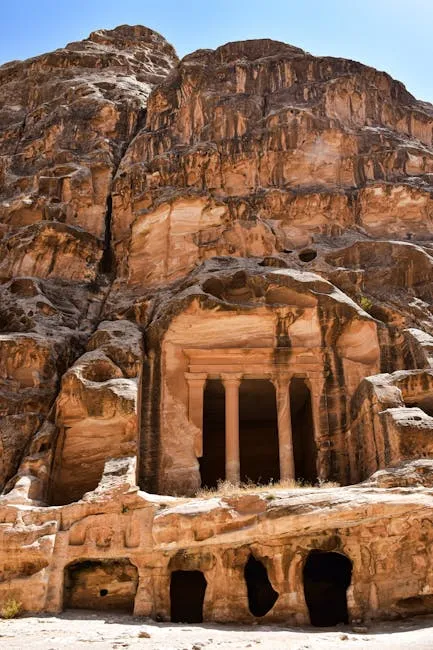
The ancient city of Petra in Jordan, a UNESCO World Heritage Site, faces threats from climate change.Image by AXP Photography / Pexels.
Climate change is threatening ancient archaeological sites across the globe. Rising temperatures, increased rainfall, and severe storms are putting important historical locations at risk. Archaeologists and governments are working to protect these unique places, but the effects of climate change are often difficult to control.
One major way climate change affects ancient sites is through changes in erosion. Erosion is when natural forces like wind, water, or ice wear away rocks and soil. For example, the ancient city of Petra in Jordan, built over 2,000 years ago by the Nabataeans, is carved into red sandstone cliffs. Recent studies show that stronger rainstorms, caused by a warming climate, are washing away Petra’s detailed carvings and structures. Archaeologists have found that flash flooding and rapid water flow can damage these sandstone monuments in just a few hours, which threatens the site’s preservation for future generations.
Other ancient sites are threatened by rising sea levels. The ruins of Chan Chan in Peru, once the capital of the Chimu civilization, are made of adobe, a material of mud and straw. In recent decades, rising groundwater and heavier rains linked to climate change have caused parts of Chan Chan’s walls to collapse. Archaeologists have used restoration techniques to repair damaged sections, but these efforts are expensive and may not keep up with the pace of climate change. Similarly, the ancient Egyptian temples along the Nile face damage from both flooding and increased humidity, which can lead to the growth of harmful microorganisms that erode stone carvings and hieroglyphics.
Archaeological evidence helps us understand how climate and environment have always shaped human civilizations. Sometimes, climate change in the past forced people to abandon their homes. For example, scientists believe that a long drought around 1200 BCE may have caused the collapse of the Bronze Age city of Ugarit in present-day Syria. Today, the challenge is to use modern technology and international cooperation to protect these sites. Methods such as 3D scanning, protective barriers, and careful monitoring help archaeologists record and safeguard ancient heritage. In some places, local communities play a key role in preservation by sharing traditional knowledge and supporting site management.
Protecting ancient sites from climate change is important because these places connect us to our shared human history. They teach us about ancient cultures, social hierarchies, and daily life. If these sites disappear, we lose valuable information about the past and lessons for the future. By understanding how climate change affects ancient sites, we can better appreciate the importance of preserving the world’s cultural heritage.
This topic connects to broader themes in history by showing how environment and human activity are deeply linked throughout time.
Interesting Fact: The ancient city of Petra was once a center of trade for spices and silk, attracting travelers from as far as China and Rome.
Coloring Page Prompt: Generate a coloring page for kids with white background, thick black lines that represent the famous stone-carved façade of Petra’s Treasury building.
What civilization built Petra?
NabataeansEgyptiansChimuRomans
Which material was used in Chan Chan?
SandstoneAdobeMarbleGranite
What natural force causes erosion?
WindElectricityGravityMetal
What is one effect of rising sea levels on ancient sites?
Walls collapseSites get colderSites get tallerMore sunlight
How do archaeologists protect ancient sites?
3D scanningAdding more rainMaking firesMoving rivers
Why is preservation important?
To keep sites safeTo erase historyTo build modern citiesTo increase erosion
Petra is made of marble. True or false?
TrueFalse
What does 'microorganisms' mean?
Tiny living thingsAncient citiesStone carvingsRainstorms