Who Were the Neanderthals
Interactive passage with audio narration, comprehension questions, and printable PDF.
By completing this purchase you agree to our Terms of Use and Privacy Policy. Your subscription renews automatically until you cancel. You can cancel anytime from your account settings. All sales are final and non-refundable. Digital content is available for download in your account immediately upon purchase.
What's included
Part of this bundle

Who Were the Neanderthals preview and details
About this printable Who Were the Neanderthals reading passage (Grades 5-8)
Sample passage and quiz from Who Were the Neanderthals
Reading passage and comprehension quiz preview
Who Were the Neanderthals
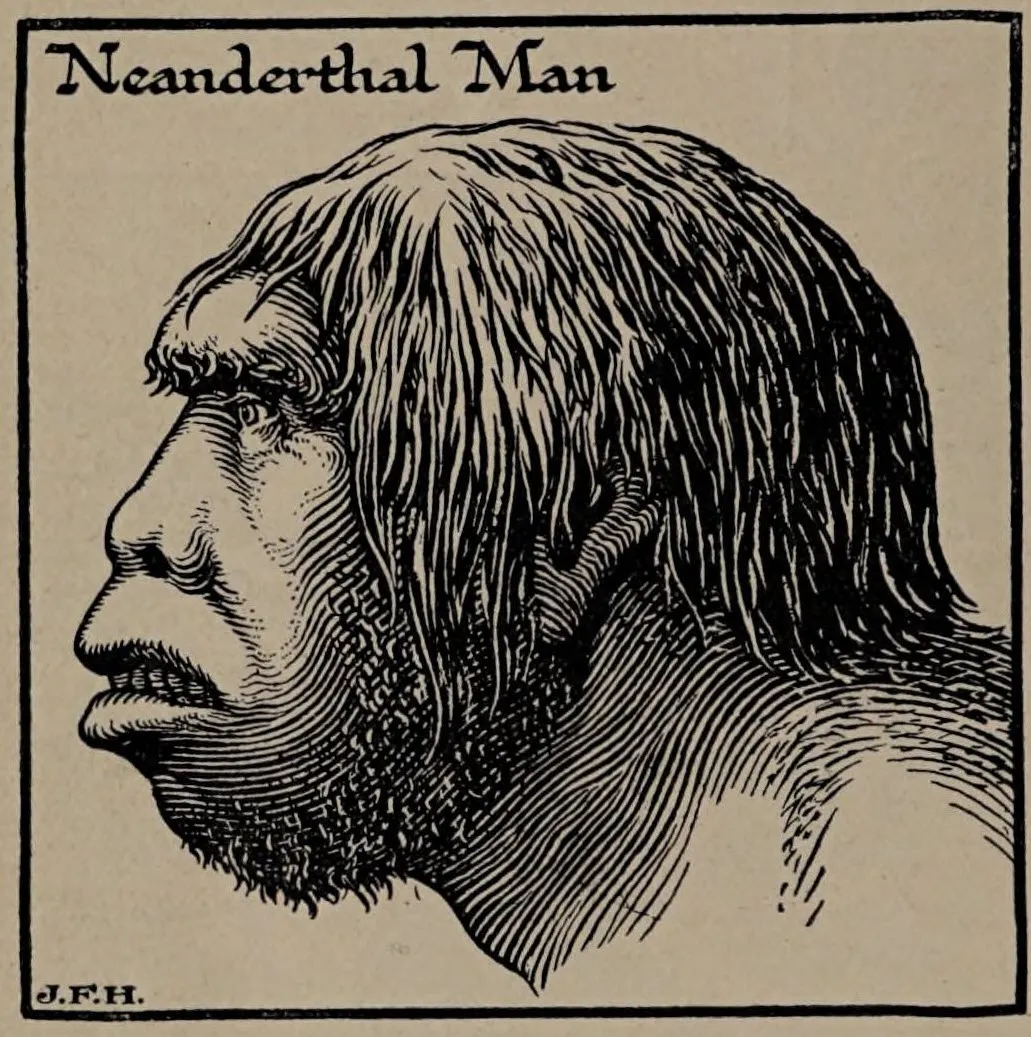
"Neanderthal Man, H. G. Wells' Outline of History, page 39" by J. F. Horrabin (Illustrator) / Wikimedia Commons
Neanderthals were a distinct group of early humans who lived in Europe and western Asia from about 400,000 to 40,000 years ago. They are one of several types of ancient hominids—species closely related to modern humans. Archaeologists have learned about Neanderthals by studying bones, tools, cave paintings, and even DNA. Their story shows how different groups of humans adapted to their environments and sometimes vanished as history unfolded.
Neanderthals had strong, muscular bodies built for survival in cold climates. Fossil evidence from sites like Shanidar Cave in Iraq and La Chapelle-aux-Saints in France shows that they lived in small, family-based groups. Their skulls were larger than modern humans, with prominent brows and broad noses—features that helped them cope with Ice Age temperatures. Neanderthals made sophisticated stone tools for hunting, cutting, and scraping hides. Archaeological discoveries at sites such as Moula-Guercy in France suggest they hunted large animals like mammoths and deer. They also used fire for warmth and cooking, and possibly for protection from predators.
Recent research has revealed Neanderthals were more complex than once believed. At El Sidrón Cave in Spain, scientists found evidence that Neanderthals cared for sick and elderly group members, showing social organization and compassion. Some burial sites, like those in Shanidar, contain flowers and objects, suggesting rituals or beliefs about death. Neanderthal DNA discovered in modern humans indicates that our ancestors and Neanderthals sometimes interbred. Today, many people outside Africa have up to 2% Neanderthal DNA, showing a lasting connection.
The disappearance of Neanderthals is debated among scientists. Around 40,000 years ago, they vanished from the fossil record. Some believe climate change reduced food sources, while others argue competition or conflict with modern humans played a role. Diseases and small population sizes may have made them more vulnerable. While the exact cause remains uncertain, the extinction of Neanderthals marked a turning point in the story of hominids. Modern humans became the only surviving human species, but the Neanderthal legacy lives on in our DNA and shared history.
The story of Neanderthals connects to larger themes in ancient history, including adaptation, cultural development, and the survival of human groups in changing environments.
Interesting Fact: Scientists have recreated the shape of Neanderthal voices using computer models, suggesting they may have spoken in high-pitched tones compared to modern humans!
Comprehension quiz (8 questions)
1. Where did Neanderthals mainly live?
2. What type of tools did Neanderthals use?
3. How much Neanderthal DNA may people have?
4. Why were Neanderthals' noses broad?
5. What shows Neanderthal social organization?
6. What may have caused Neanderthal extinction?
7. Neanderthals had larger skulls than humans. True or false?
8. What does 'rituals' mean?
Perfect for the way you teach
- Build comprehension skills
- Auto-graded quiz
- Differentiated reading
- Read together at home
- Improve fluency
- Quiet reading time
- Reading curriculum support
- Independent practice
- Track Lexile growth