Climate and Early Civilizations
Interactive passage with audio narration, comprehension questions, and printable PDF.
By completing this purchase you agree to our Terms of Use and Privacy Policy. Your subscription renews automatically until you cancel. You can cancel anytime from your account settings. All sales are final and non-refundable. Digital content is available for download in your account immediately upon purchase.
What's included
Part of this bundle

Climate and Early Civilizations preview and details
About this printable Climate and Early Civilizations reading passage (Grades 6-8)
Sample passage and quiz from Climate and Early Civilizations
Reading passage and comprehension quiz preview
Climate and Early Civilizations
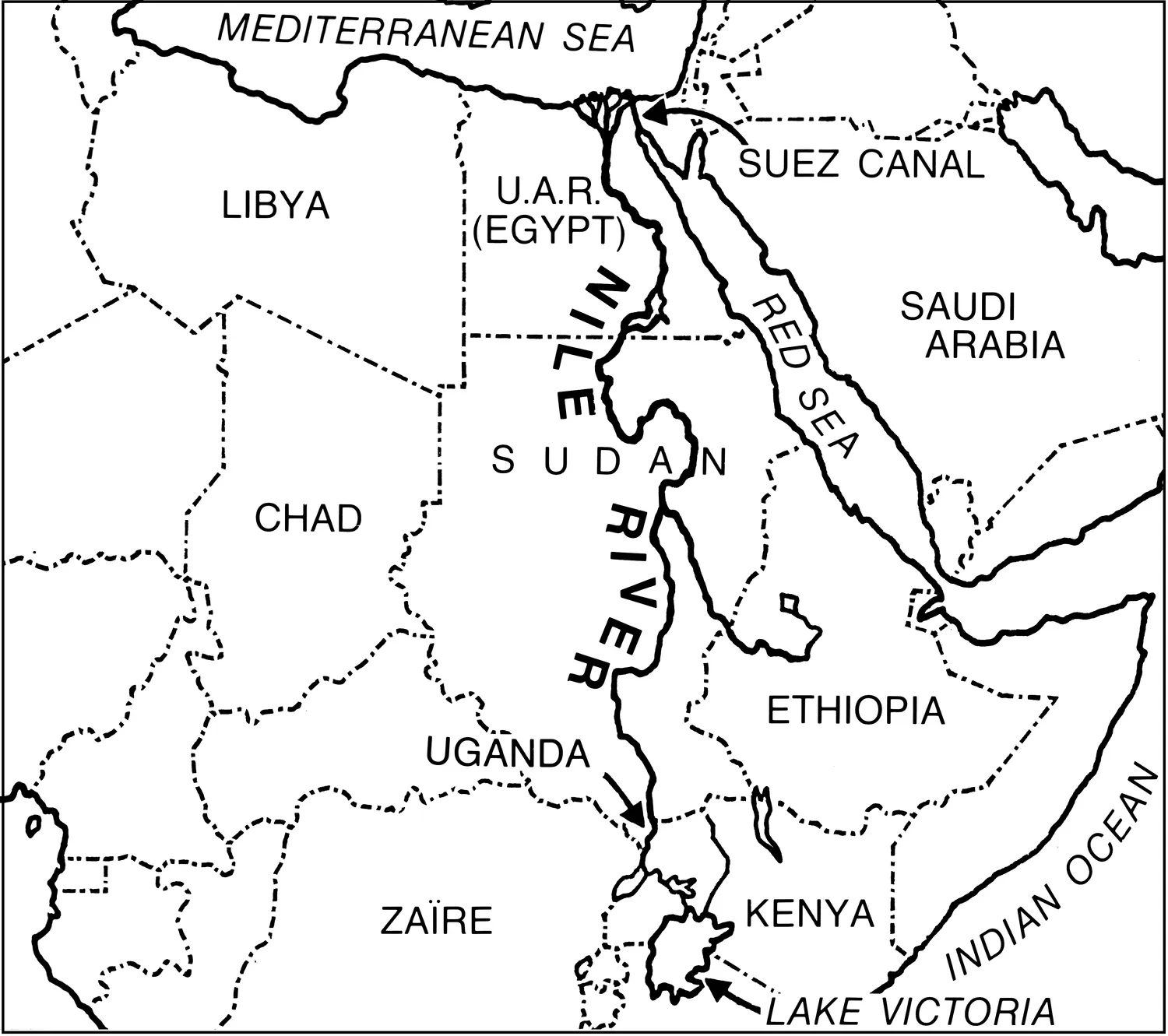
"Nile River" by Pearson Scott Foresman / Wikimedia Commons (Public domain).
Climate played a critical role in shaping where ancient people chose to settle and build communities. Early humans depended on their environment for survival, and factors like rainfall, temperature, and access to water determined which places could support life. The relationship between people and climate is a key theme in ancient history, as it influenced not only daily life but also the rise and fall of civilizations.
One of the clearest examples of climate’s impact is the development of early civilizations along rivers. The fertile land beside the Nile River in Egypt made it possible for people to grow crops and domesticate animals around 5000 BCE. Annual flooding brought rich soil, which allowed for successful agriculture and supported a growing population. Archaeological evidence, such as ancient irrigation canals and tools, shows how Egyptians adapted to their environment. Similarly, Mesopotamia, located between the Tigris and Euphrates rivers, became known as the “Cradle of Civilization.” Early farmers built canals to manage unpredictable floods and dry seasons, demonstrating how people modified their surroundings to survive.
However, not all climates were equally friendly. In regions with dry deserts, such as the Sahara, settlements were rare or temporary. Archaeologists have found traces of ancient communities in areas that are now desert, suggesting that climate shifts forced people to move. For example, the decline of the Indus Valley civilization around 1900 BCE is linked to changes in river patterns and prolonged drought. As water became scarce, people migrated to more hospitable areas. These movements are recorded in oral traditions and supported by climate data from soil and plant remains.
Climate also affected social organization and technology. In harsh climates, cooperation was essential for building irrigation systems or storing food. This led to the rise of leaders and social hierarchies as people worked together for survival. Over time, new inventions—such as the shaduf in Egypt, a tool for lifting water—helped communities thrive despite challenges. Ancient texts and artifacts reveal how people responded creatively to environmental obstacles.
Understanding how climate shaped ancient settlements helps historians explain patterns of human migration, technological innovation, and cultural development. The choices early people made in response to climate challenges still affect societies today. By studying these connections, we see how geography, environment, and human ingenuity are deeply intertwined throughout history.
Interesting Fact: In some years, the Nile River’s flood was so strong that it created new islands, forcing villages to relocate and adapt quickly.
This topic connects to broader themes of adaptation, migration, and the long-term relationship between humans and their environment in world history.
Comprehension quiz (8 questions)
1. Where did Egyptians settle?
2. What tool helped Egyptians get water?
3. When did Indus Valley decline?
4. Why did people build irrigation canals?
5. What caused people to migrate?
6. How did climate affect technology?
7. People moved for better climate. True or false?
8. What does 'fertile' mean?
Perfect for the way you teach
- Build comprehension skills
- Auto-graded quiz
- Differentiated reading
- Read together at home
- Improve fluency
- Quiet reading time
- Reading curriculum support
- Independent practice
- Track Lexile growth