First Contact: Columbus and the Taíno People
Interactive passage with audio narration, comprehension questions, and printable PDF.
By completing this purchase you agree to our Terms of Use and Privacy Policy. Your subscription renews automatically until you cancel. You can cancel anytime from your account settings. All sales are final and non-refundable. Digital content is available for download in your account immediately upon purchase.
What's included
First Contact: Columbus and the Taíno People preview and details
About this printable First Contact: Columbus and the Taíno People reading passage (Grades 3-5)
Sample passage and quiz from First Contact: Columbus and the Taíno People
Reading passage and comprehension quiz preview
Columbus and the Taíno
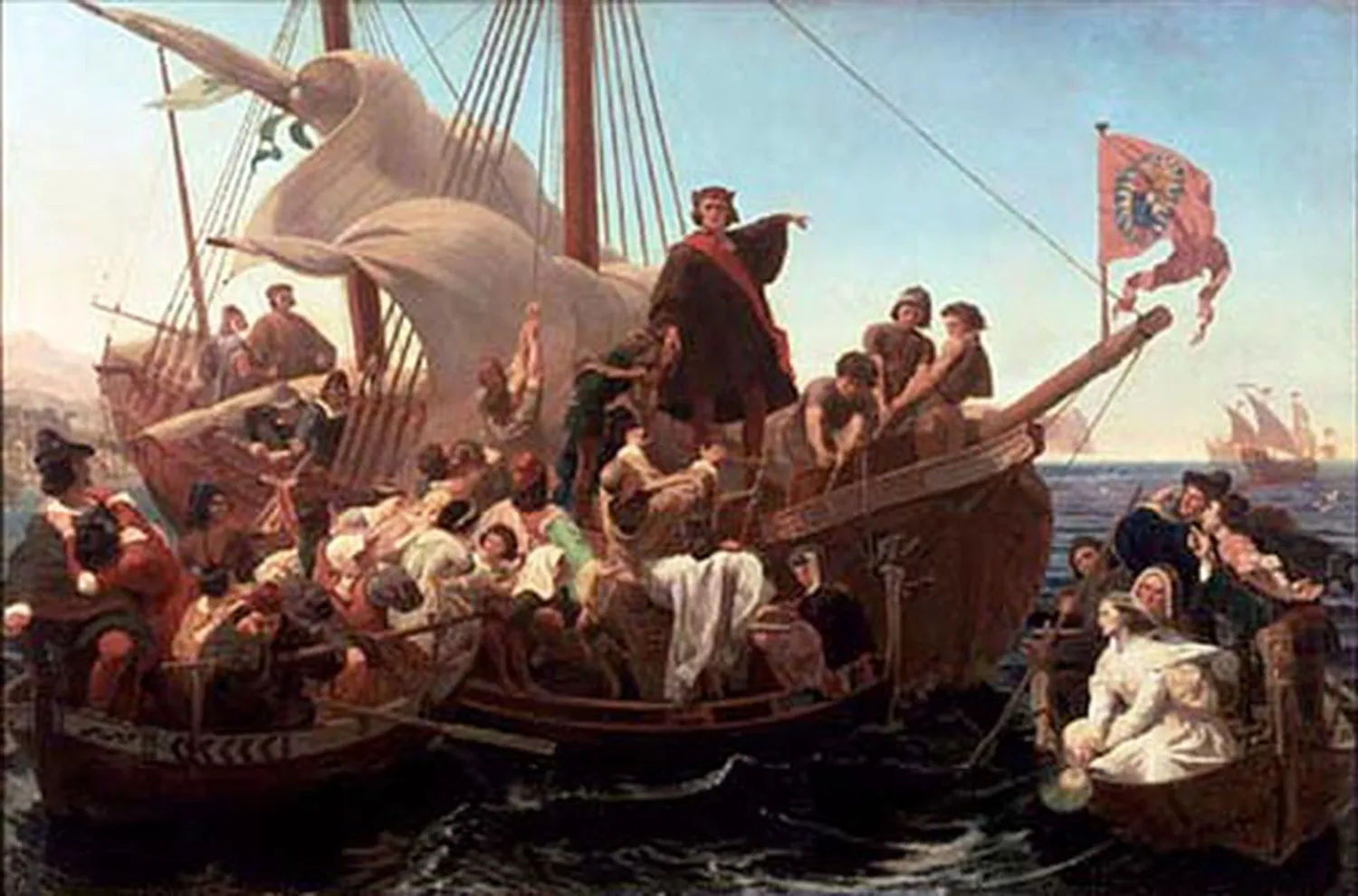
In 1492, Christopher Columbus landed on an island in the Caribbean. He was searching for a new route to Asia, but instead, he found new people and lands. The people living there were called the Taíno. They had lived on the islands for many years before Columbus arrived.
The Taíno were skilled farmers and fishers. They grew crops like corn, sweet potatoes, and beans. They built homes from wood and leaves. They made tools and art from stone, shells, and clay. The Taíno lived in small villages near the ocean and respected nature deeply.
When Columbus and his crew arrived, they were surprised by the Taíno's kindness. The Taíno welcomed them, shared food, and traded gifts. Columbus wrote in his journal about how friendly and generous the Taíno were. But the meeting between these two groups changed history forever.
Columbus claimed the land for Spain. He believed he had found valuable riches. He wanted to take gold and other treasures back to Europe. Columbus also wanted to teach the Taíno about his religion and language. He did not understand the Taíno way of life or their beliefs.
After Columbus’s arrival, more Spanish explorers came to the Caribbean. They brought new animals, plants, and tools. But they also brought diseases that the Taíno had never seen before. Many Taíno people became sick and died. The Spanish also forced some Taíno to work for them. This made life very hard for the Taíno and their families.
The meeting between Columbus and the Taíno was a turning point in history. It led to new trade, ideas, and cultures mixing. But it also caused great changes and hardships for the Taíno people. Their world was never the same after 1492.
Even today, we remember the courage of the Taíno and the bravery of explorers. The story of Columbus and the Taíno teaches us about the power of meeting new people and the importance of respecting different cultures.
Interesting Fact: Some Taíno words, like "hammock" and "canoe," are still used in English today!
Comprehension quiz (8 questions)
1. When did Columbus arrive in the Caribbean?
2. Who were the people Columbus met?
3. What did Taíno people grow?
4. Why was the meeting a turning point?
5. What happened after more explorers arrived?
6. Why did Columbus claim the land?
7. The Taíno lived far from the sea.
8. What does "turning point" mean?
Common Core standards for First Contact: Columbus and the Taíno People
Explain events, procedures, ideas, or concepts in a historical, scientific, or technical text, including what happened and why, based on specific information in the text.
Determine the meaning of general academic and domain-specific words or phrases in a text relevant to a grade 4 topic or subject area.
Write informative/explanatory texts to examine a topic and convey ideas and information clearly.
Perfect for the way you teach
- Build comprehension skills
- Auto-graded quiz
- Differentiated reading
- Read together at home
- Improve fluency
- Quiet reading time
- Reading curriculum support
- Independent practice
- Track Lexile growth