Invertebrates: Sponges and Cnidarians
Interactive passage with audio narration, comprehension questions, and printable PDF.
By completing this purchase you agree to our Terms of Use and Privacy Policy. Your subscription renews automatically until you cancel. You can cancel anytime from your account settings. All sales are final and non-refundable. Digital content is available for download in your account immediately upon purchase.
What's included
Invertebrates: Sponges and Cnidarians preview and details
About this printable Invertebrates: Sponges and Cnidarians science reading passage, NGSS-aligned (Grades 5-8)
Sample passage and quiz from Invertebrates: Sponges and Cnidarians
Reading passage and comprehension quiz preview
Invertebrates: Sponges and Cnidarians
Sponges and cnidarians make up two of the simplest but most fascinating animal groups found in aquatic environments. Scientists study these animals to understand the fundamental features of animal life and how living systems interact. Sponges, classified in the Phylum Porifera, and cnidarians, classified in the Phylum Cnidaria, have simple body structures, yet they play critical roles in supporting aquatic ecosystems.
Structure and Function in Sponges
Sponges are unique because they lack true tissues and organs. Instead, their bodies are made up of loose collections of specialized cells. Sponges are sessile, meaning they remain attached to a surface and do not move. Their bodies are full of tiny pores and channels that allow water to circulate through them. This adaptation enables them to be effective filter feeders. As water flows through a sponge, specialized cells called choanocytes trap tiny food particles such as bacteria and plankton. In one day, a single sponge can filter up to 20,000 times its own volume in water. By removing particles and recycling nutrients, sponges help maintain water quality. They also provide shelter for many small organisms, creating a mini-ecosystem on their surfaces.
Cnidarians: Stinging Cells, Symmetry, and Coral Reefs
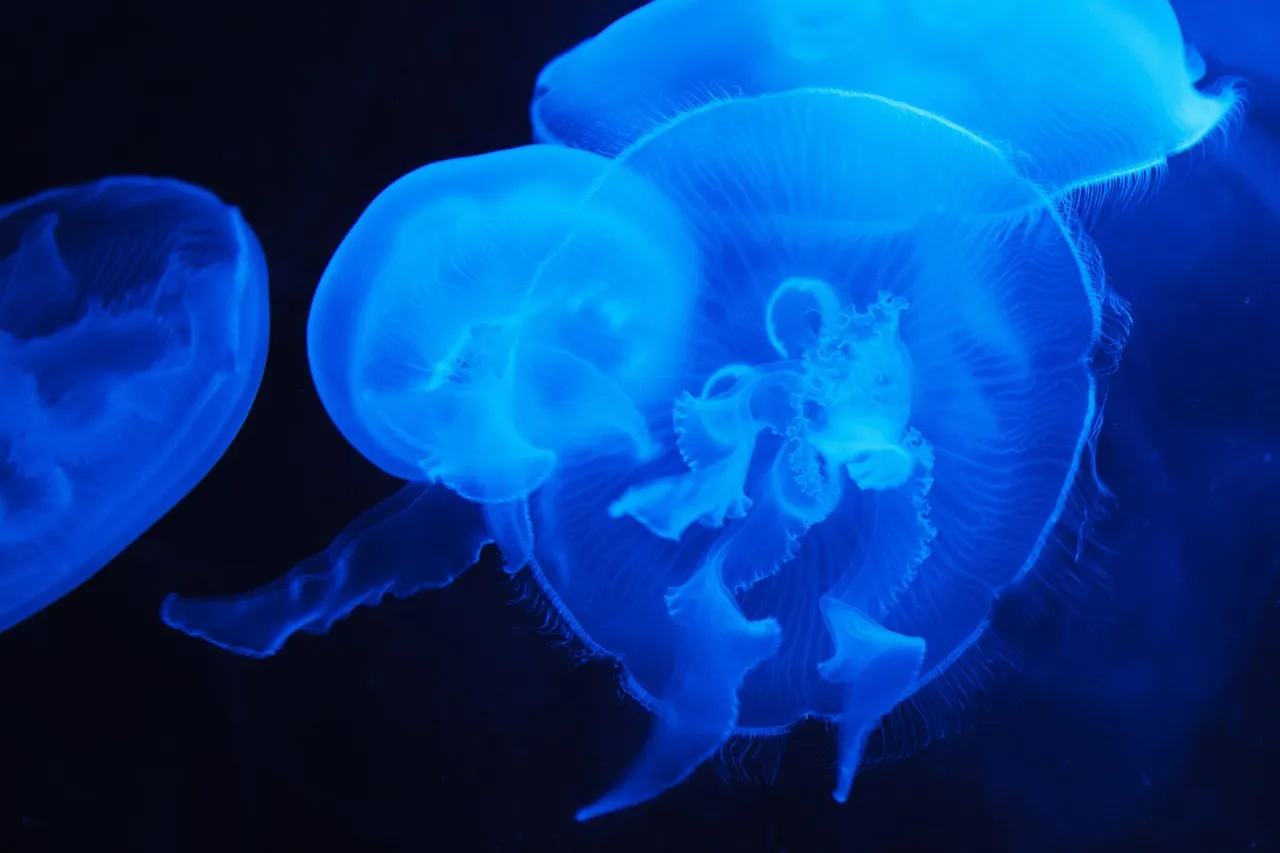
Cnidarians include jellyfish, corals, and sea anemones. Unlike sponges, cnidarians have true tissues and display radial symmetry, meaning their body parts are arranged around a central point. Cnidarians have two main body forms: the polyp, which is stationary and attaches to surfaces, and the medusa, which swims freely in the water. A defining feature of this group is the presence of cnidocytes—specialized stinging cells used for capturing prey and defense. When triggered, cnidocytes release tiny harpoons loaded with toxins to immobilize prey. Coral polyps, a type of cnidarian, build hard skeletons from calcium carbonate and form coral reefs. These reefs support over 25% of all marine species, even though they cover less than 1% of the ocean floor.
Interactions and Importance in Aquatic Ecosystems
Sponges and cnidarians are both vital to the health of aquatic systems but in different ways. Sponges filter large amounts of water, which helps control algae growth and maintain clarity. Cnidarians, especially coral polyps, create complex habitats that shelter fish, crustaceans, and many other marine species. These relationships are an example of symbiosis: for instance, corals often partner with algae that live inside their tissues and supply them with food through photosynthesis. Human activities such as pollution, overfishing, and climate change threaten coral reefs, which can lead to the loss of biodiversity and collapse of ecosystems. Scientific research continues to uncover how these animals interact with their environment and why protecting them is crucial for the future of our oceans.
In summary, the simple structures of sponges and cnidarians have enabled them to survive and adapt for millions of years. Their roles as filter feeders, habitat builders, and keystone species demonstrate the interconnectedness of life in aquatic environments. Understanding these organisms helps scientists recognize patterns in evolution, ecology, and the importance of conservation.
Interesting Fact: Some sponges can live for over 2,000 years, making them among the oldest living animals on Earth.
Comprehension quiz (10 questions)
1. Which phylum do sponges belong to?
2. What special cell do cnidarians use to capture prey?
3. How do sponges obtain their food?
4. What does 'sessile' mean in the context of sponges?
5. Which body form of cnidarians is free-swimming?
6. What is the main role of coral polyps in reef ecosystems?
7. What is one way humans can harm coral reefs?
8. True or False: Sponges have true tissues and organs.
9. True or False: Coral reefs support over 25% of marine species.
10. Which term describes a relationship where two species live closely together and both benefit?
Perfect for the way you teach
- Build comprehension skills
- Auto-graded quiz
- Differentiated reading
- Read together at home
- Improve fluency
- Quiet reading time
- Reading curriculum support
- Independent practice
- Track Lexile growth