Invertebrates: Worms
Interactive passage with audio narration, comprehension questions, and printable PDF.
By completing this purchase you agree to our Terms of Use and Privacy Policy. Your subscription renews automatically until you cancel. You can cancel anytime from your account settings. All sales are final and non-refundable. Digital content is available for download in your account immediately upon purchase.
What's included
Invertebrates: Worms preview and details
About this printable Invertebrates: Worms science reading passage, NGSS-aligned (Grades 5-8)
Sample passage and quiz from Invertebrates: Worms
Reading passage and comprehension quiz preview
Invertebrates: Worms
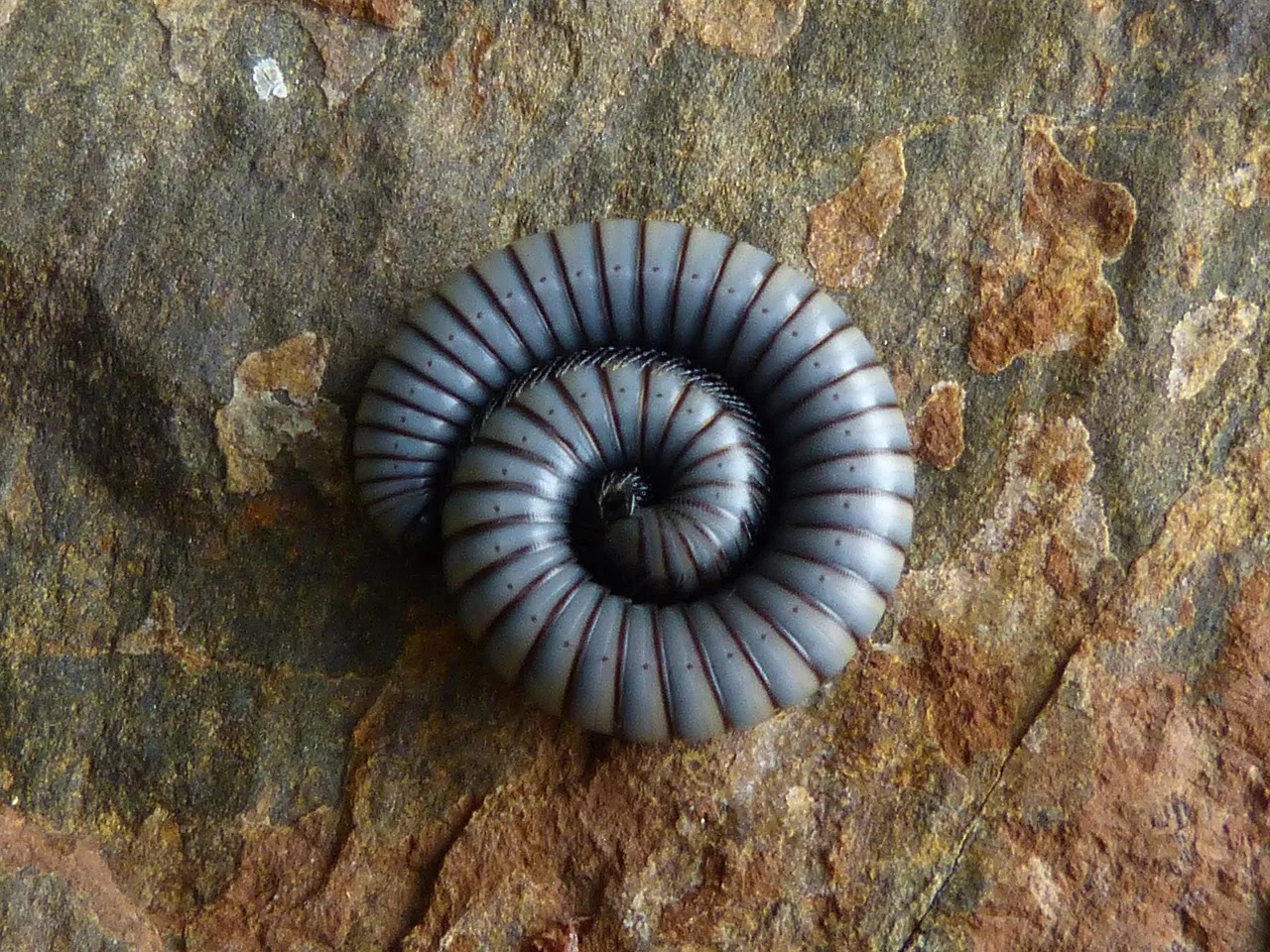
Worms by makamuki0 / Pixabay.
Invertebrates make up over 95% of all animal species on Earth, and worms are a major part of this group. Worms are found in nearly every environment, from deep ocean floors to garden soil. Scientists classify worms into three main phyla: flatworms, roundworms, and segmented worms. Each group has a unique body plan and plays important roles in natural systems.
Flatworms: Simplicity and Regeneration
Flatworms, or Platyhelminthes, have thin, flat bodies that allow them to absorb oxygen directly through their skin. Most flatworms have simple organs, lacking a circulatory or respiratory system. Some flatworms are parasitic, like tapeworms and flukes, living inside the bodies of other animals and often causing disease. Others, such as planaria, are free-living and can regenerate lost body parts. Scientists discovered this regenerative ability by cutting planaria and observing how each part could regrow into a new worm. This process has provided clues about cellular repair and development in animals.
Roundworms: Cylindrical Bodies and Two-Ended Digestion
Roundworms, classified as Nematoda, have elongated, cylindrical bodies and a complete digestive tract with both a mouth and an anus. This design allows food to move in one direction, making digestion more efficient compared to flatworms. Some roundworms, like hookworms and heartworms, are parasitic and can infect humans or pets. Others play positive roles by breaking down organic matter and cycling nutrients in soil. In fact, scientists estimate that a single handful of soil may contain thousands of roundworms, showing how common and ecologically important they are.
Segmented Worms: Division and Specialization
Segmented worms, or Annelida, have bodies divided into repeating segments, each with specialized organs. This structure allows for greater movement and flexibility. The most familiar annelid is the earthworm, which helps maintain healthy soil through aeration and decomposition. Earthworms eat dead material, mix it with soil, and create tunnels that let air and water reach plant roots. Some annelids, like leeches, are used in medicine to improve blood flow or remove toxins after surgeries.
Comparing Body Plans and Complexity
The three worm groups differ in their body plans and organ systems. Flatworms have the simplest structure, while segmented worms are the most complex, with well-developed digestive, nervous, and circulatory systems. Roundworms are in between, with a complete but unsegmented digestive tract. These differences affect how worms move, feed, and survive. Scientists study these structures to understand the evolution of body plans and how organisms adapt to different environments. The presence and diversity of worms in ecosystems also provide clues about soil health and environmental change.
Worms are essential to ecosystems, playing roles in decomposition, nutrient cycling, and even medicine. Their body plans and adaptations help scientists understand the diversity and complexity of life.
Interesting Fact:
Some planaria can regenerate their entire body from just a tiny piece, making them one of the most regenerative animals known to science!
Comprehension quiz (10 questions)
1. Which of the following is NOT a main phylum of worms described in the passage?
2. What is the primary function of earthworms in soil?
3. Which worm group is known for being able to regenerate lost body parts?
4. According to the passage, what does the word 'parasitic' mean?
5. What does 'segmented' mean in the context of Annelida?
6. What is a main difference between roundworms and flatworms according to the passage?
7. Why do scientists study worms' body plans?
8. A handful of soil may contain thousands of roundworms. This shows that roundworms are:
9. True or False: All segmented worms are harmful to humans.
10. True or False: Planaria are a type of flatworm that can regrow their bodies after being cut.
Perfect for the way you teach
- Build comprehension skills
- Auto-graded quiz
- Differentiated reading
- Read together at home
- Improve fluency
- Quiet reading time
- Reading curriculum support
- Independent practice
- Track Lexile growth