Premium
Nocturnal Adaptations of the Strange Aye-Aye
Interactive passage with audio narration, comprehension questions, and printable PDF.
Just this resource
$1.50
One-time purchase
Best value
Unlock everything
$49.99$29.99/yr
40% off until Aug 1 — 6,000+ resources
Unlock above to use these actions
- Format
- Interactive (Online), Printable (PDF)
- Grades
- 6
- Subjects
- science
- Languages
- English, Spanish
What's included
Reading passage
Reading comprehension
Audio narration
With word word highlighting
Comprehension quiz
Auto-graded
Writing activity
Open-ended response
Glossary & flashcards
Vocabulary practice
Differentiated version
Adapted for varied levels
Spanish translation
Bilingual support
About this reader
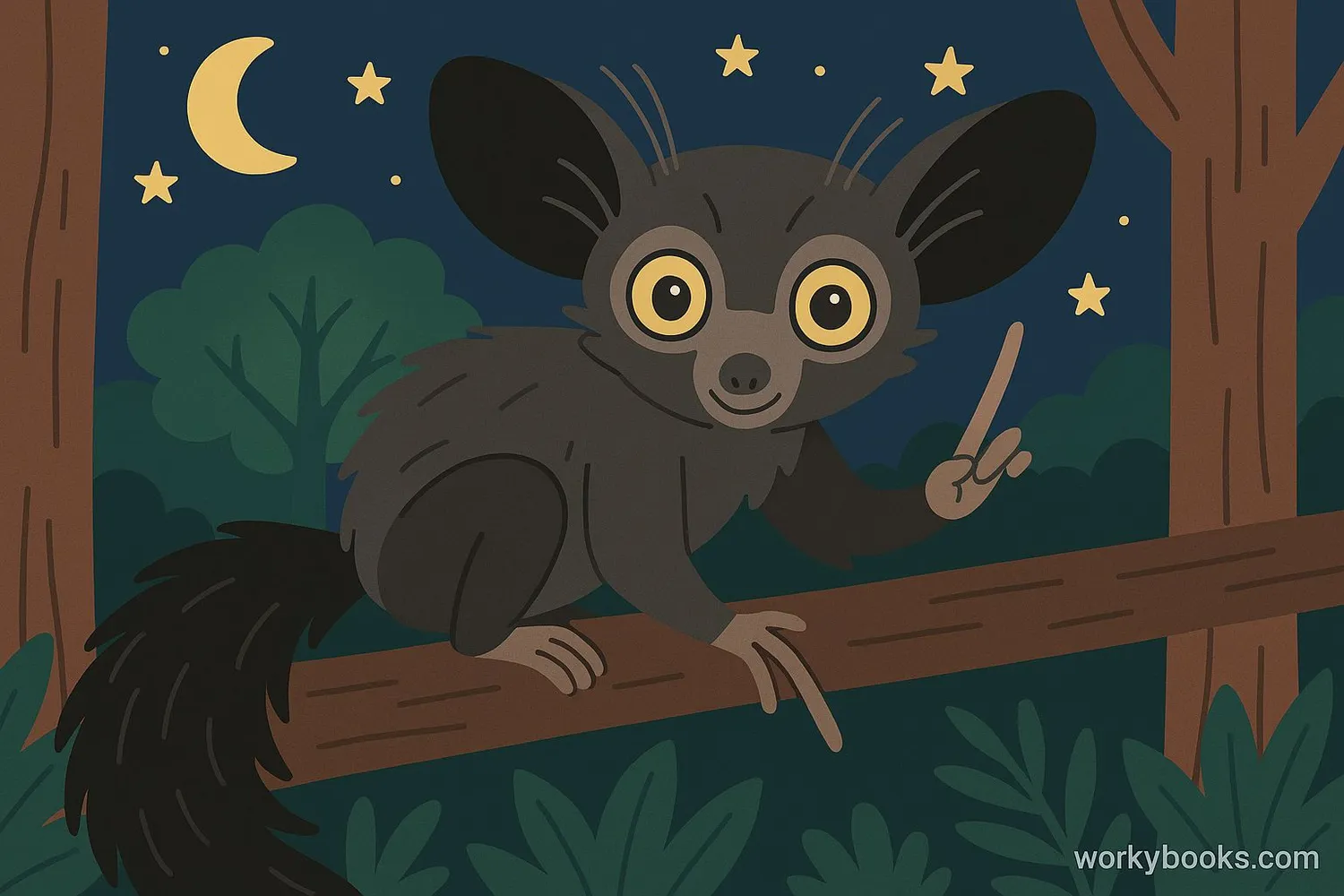
This engaging reading passage, integrated with audio, takes grade 5 students on a journey to discover the fascinating nocturnal adaptations of the aye-aye. Students will learn how this unique lemur uses its specialized features, like its long middle finger and big ears, to thrive in its nighttime environment. The passage introduces key concepts like 'nocturnal' and 'habitat' and explains how these adaptations are crucial for the aye-aye's survival, aligning with the NGSS standard LS4.C: Adaptation. The content includes relevant SEO keywords such as animal adaptations, nocturnal animals, and Madagascar, making it a valuable educational resource.
Written by Workybooks TeamPublished by Workybooks
Preview
Sample passage and quiz content
Who it's for
Perfect for the way you teach
Teachers
- Build comprehension skills
- Auto-graded quiz
- Differentiated reading
Parents
- Read together at home
- Improve fluency
- Quiet reading time
Homeschoolers
- Reading curriculum support
- Independent practice
- Track Lexile growth
Topics
aye-ayenocturnal animalsanimal adaptationsMadagascarnatural selectionLS4.C Adaptationlemurinsect hunter