Paleolithic People Adapt to Different Landscapes — Reading Comprehension
Rate this
Premium Resource
Present
Present in classroom. No work saved
Assign
Classroom with student accounts, Track progress
Quick Play
No student accounts, assign with a link
Grades
6
7
8
PRINT+DIGITAL RESOURCE
This learning resource is available in interactive and printable formats. The interactive worksheet can be played online and assigned to students. The Printable PDF version can be downloaded and printed for completion by hand.
This passage explores how Paleolithic people adapted to a variety of landscapes, including coastal regions, mountains, plains, and forests, shaping their daily lives through fishing, hunting, gathering, and building shelters. Archaeological evidence, such as cave art and tools, provides insight into their survival strategies and social organization. The passage aligns with CA HSS 6.1 and CCSS RH.6-8.1 standards, promoting historical analysis and comprehension. Activities include a multiple-choice quiz, writing prompts, graphic organizers, glossary, and a timeline. Read aloud audio and a full Spanish translation are provided to support diverse learners. This engaging history reading passage helps students understand the relationship between geography and human adaptation in early history.
CONTENT PREVIEW
Expand content preview
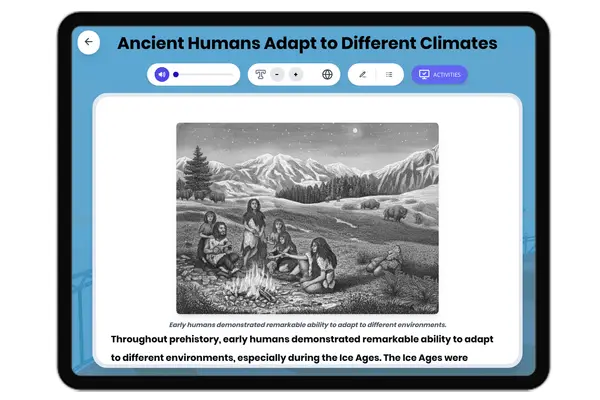
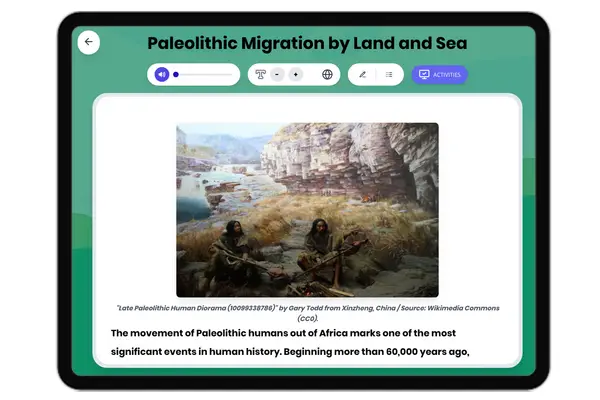
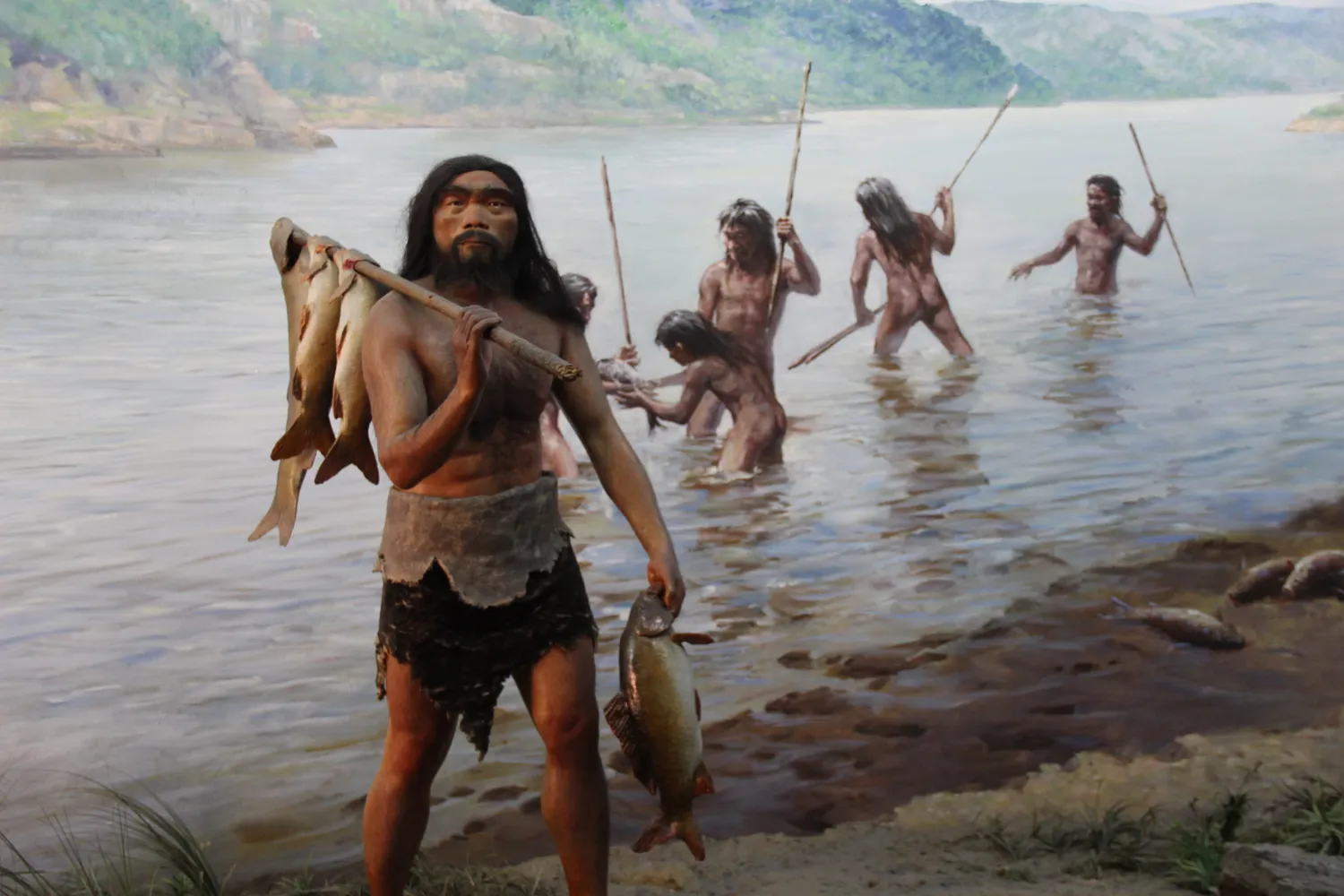
"Paleolithic Man Diorama (10099347696)" by Gary Todd from Xinzheng, China / Wikimedia Commons (CC0).
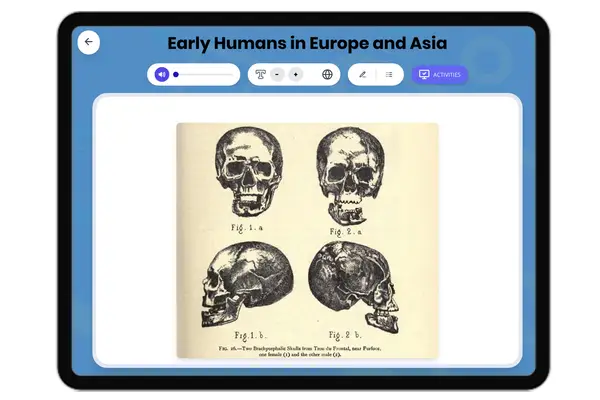
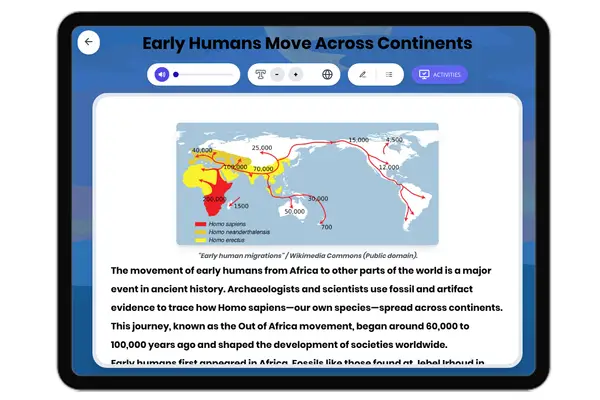
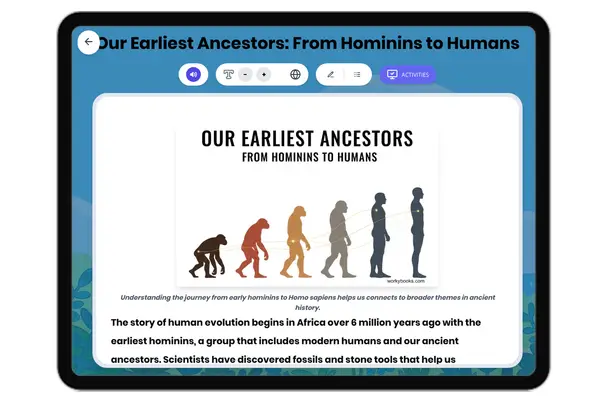
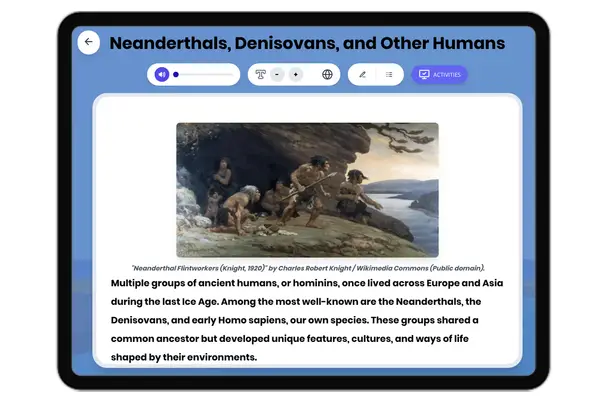
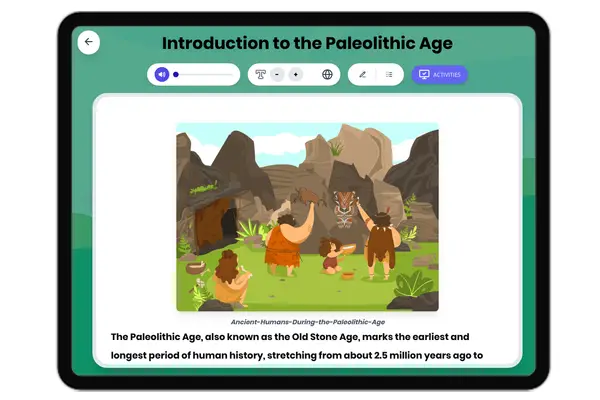
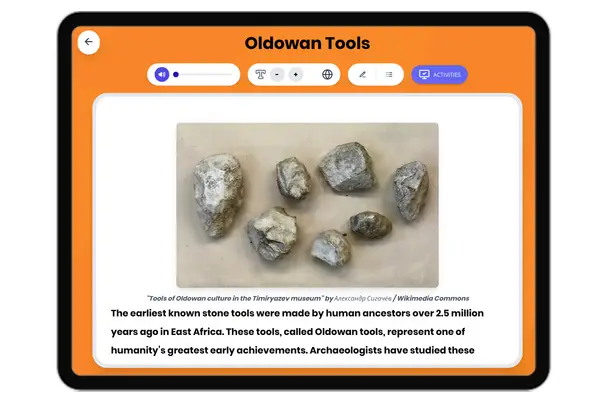
The Paleolithic era, which began over 2.5 million years ago and lasted until about 10,000 BCE, marks a time when early humans lived as hunter-gatherers. During this period, climate and geography played a crucial role in shaping the daily lives and survival strategies of these communities. Archaeological discoveries, such as ancient stone tools and cave paintings, offer evidence of how people adapted to the diverse environments they encountered across Africa, Europe, Asia, and beyond.
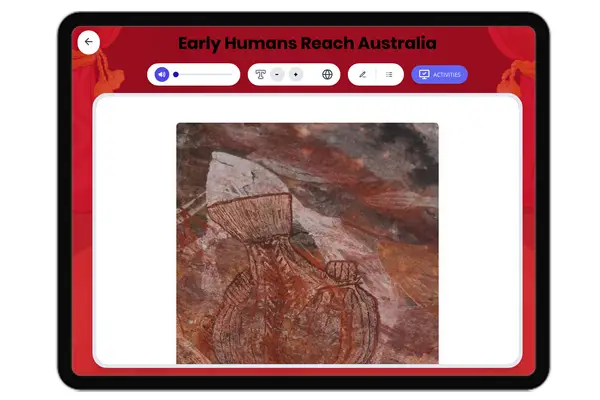
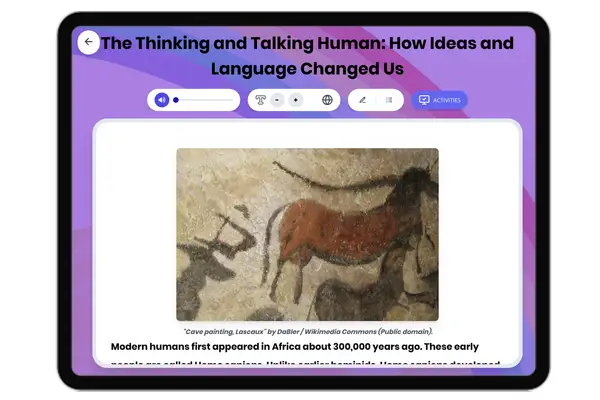
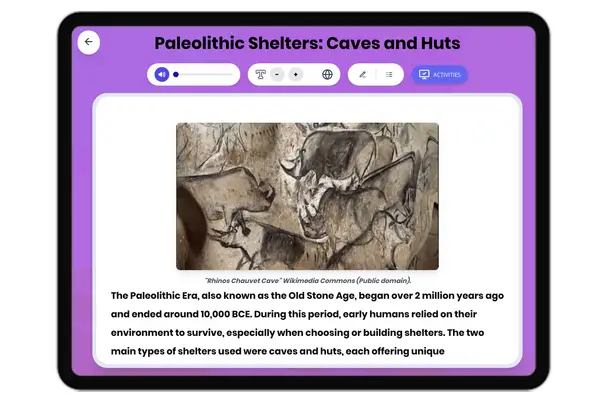
Early humans demonstrated remarkable adaptation to their surroundings. For example, those living near coasts developed skills in fishing and collecting shellfish. Archaeologists have found shell middens—heaps of discarded shells—in regions like Blombos Cave in South Africa, dating back about 75,000 years. These people crafted fish hooks and used sharpened sticks or bones to catch sea animals, showing flexibility in diet and technology. Along mountain ranges, such as the Pyrenees in Europe, humans sought shelter in caves. The famous cave art of Altamira in Spain, created around 36,000 years ago, reveals not only artistic expression but also the importance of these caves as protective homes from harsh weather and predators.
The vast plains and grasslands required different survival techniques. On the Eurasian steppes, groups like the mammoth hunters used cooperation to hunt large animals. Archaeological sites like Dolní Věstonice in the Czech Republic display evidence of organized hunting, using spears and coordinated drives to trap animals. This teamwork reflects a complex social structure where roles were divided among members, and knowledge was passed down through generations. In the dense forests of Europe and Asia, people relied on gathering wild plants, nuts, and fruits. Tools such as digging sticks and grinding stones, found in places like the Star Carr site in England, indicate a reliance on plant foods when animal prey was scarce.
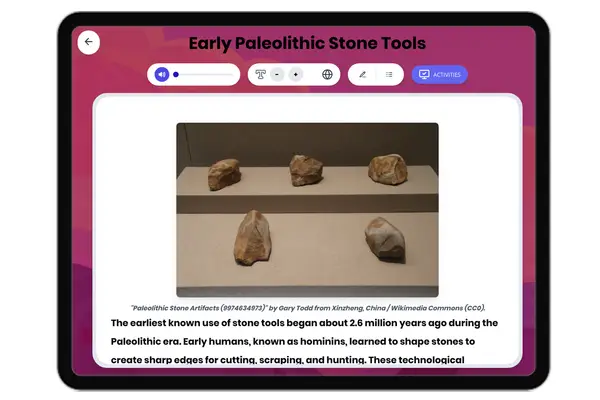
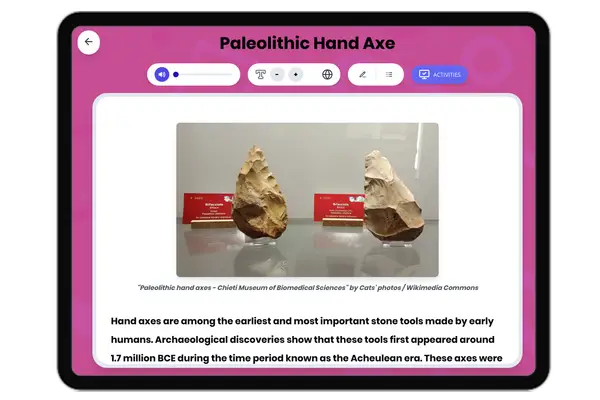
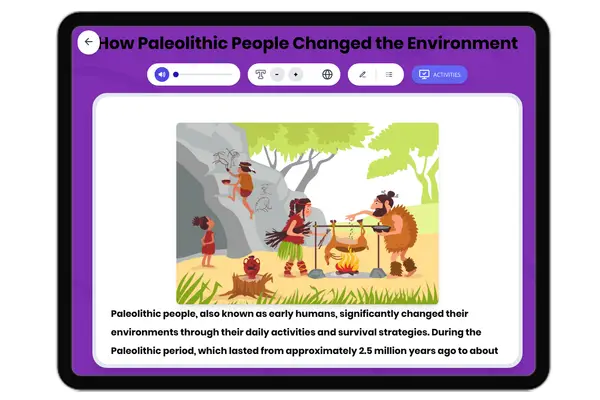
Across all these landscapes, the need to adapt led to important technological and cultural developments. Clothing made from animal skins provided warmth in cold climates. Fire was used for cooking and protection. The invention of specialized tools, like bone needles and stone blades, improved efficiency. These changes show both continuity—as people built on previous knowledge—and change, as environments demanded new solutions. Although evidence from this era is sometimes limited, the archaeological record clearly demonstrates that early humans creatively responded to their environment.
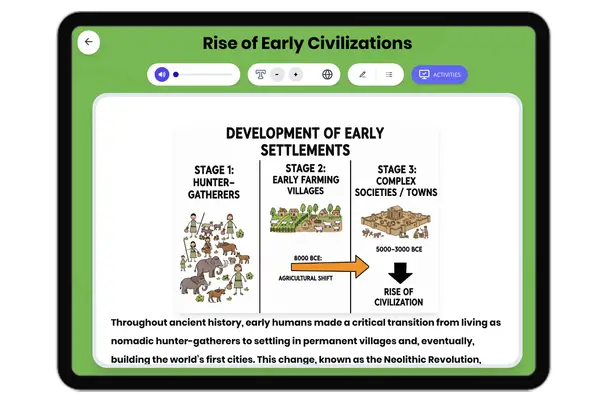
The significance of these adaptations is profound. The ability to adjust to different landscapes allowed Paleolithic people to spread across continents and survive in challenging conditions. Their achievements laid the groundwork for later developments in agriculture and permanent settlements. Studying how geography shaped their lives helps us understand the deep connections between humans and their environment.
This topic connects to broader historical themes of human innovation, migration, and the influence of geography on civilizations throughout history.
Interesting Fact: The oldest known cave paintings, found in Indonesia and Spain, are more than 40,000 years old and provide clues about the beliefs and daily lives of Paleolithic people.
Where did people use fishing and shellfish gathering?
Coastal areasDesertsGrasslandsMountains
What site in South Africa shows early coastal adaptation?