Totem Poles of the Pacific Northwest
Interactive passage with audio narration, comprehension questions, and printable PDF.
What's included
Part of this bundle

Totem Poles of the Pacific Northwest preview and details
About this printable Totem Poles of the Pacific Northwest reading passage (Grades 3-5)
Sample passage and quiz from Totem Poles of the Pacific Northwest
Reading passage and comprehension quiz preview
Native American Totem Poles
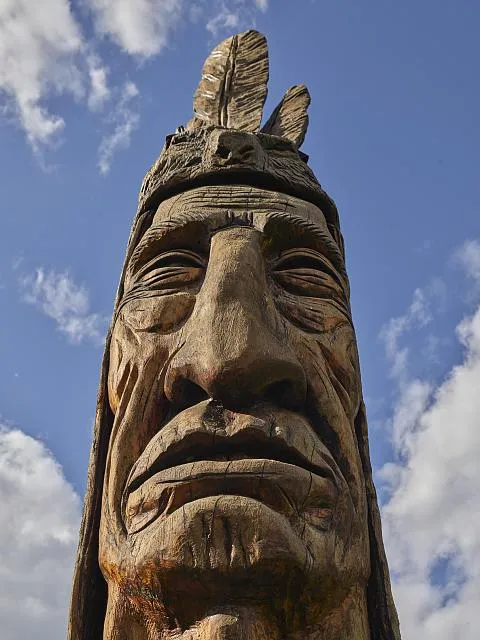
Source: Library of Congress - Highsmith, Carol M.,
Native American totem poles are tall wooden carvings found in the Pacific Northwest region of the United States. Tribes such as the Tlingit, Haida, and Tsimshian made these poles to share important stories and honor their families. Each totem pole is unique. Carvers use symbols and animal shapes to tell stories about their ancestors, clans, and legends.
Totem poles are often made from huge cedar trees found in the forests of Alaska, Washington, and Oregon. Cedar wood is strong and lasts a long time. First, a carver chooses a tree and carefully cuts it down. Then, the carver removes the bark and begins to plan the design. Each symbol or animal on the pole has a special meaning. For example, an eagle might stand for bravery, while a bear could mean strength. These shapes are carved deeply into the wood using sharp tools.
After carving, the artists paint the totem pole using bright colors like red, blue, and black. The pole is then raised up in a special ceremony called a potlatch. During the potlatch, the clan gathers to celebrate and share food. Songs, dances, and speeches help explain the meaning of the new pole. People show respect for ancestors and pass on their history to younger generations.
Totem poles do not use any written words. Instead, they use images and symbols to keep stories alive. Some poles tell the story of a family’s beginning. Others remember a great leader or mark an important event. Totem poles can stand for many years, reminding people of their culture and history.
Today, totem poles are still carved by Native artists. They can be found in museums, parks, and Native villages. They help everyone learn about the traditions and stories of the Pacific Northwest tribes.
Interesting Fact: Some totem poles can be over 60 feet tall and take months or even years to complete!
Comprehension quiz (8 questions)
1. Where are totem poles found?
2. What wood is used for totem poles?
3. Which tribe is known for totem poles?
4. Why are animal shapes carved?
5. What happens at a potlatch?
6. Why do totem poles not use writing?
7. Totem poles use carved symbols.
8. What does 'clan' mean?
Common Core standards for Totem Poles of the Pacific Northwest
Perfect for the way you teach
- Build comprehension skills
- Auto-graded quiz
- Differentiated reading
- Read together at home
- Improve fluency
- Quiet reading time
- Reading curriculum support
- Independent practice
- Track Lexile growth