Vergil: Poet of the Aeneid — Reading Comprehension
Rate this
Premium Resource
Present
Present in classroom. No work saved
Assign
Classroom with student accounts, Track progress
Quick Play
No student accounts, assign with a link
Grades
6
7
8
PRINT+DIGITAL RESOURCE
This learning resource is available in interactive and printable formats. The interactive worksheet can be played online and assigned to students. The Printable PDF version can be downloaded and printed for completion by hand.
This passage explores the life and legacy of Vergil, the renowned Roman poet who authored the Aeneid, Rome's greatest epic poem. Students will learn about Vergil's background, the historical context of his writing, the impact of his work on Roman society, and the lasting influence of the Aeneid on world literature. The resource includes a comprehensive glossary, timeline of Vergil's life, reading comprehension questions, writing activities, and two graphic organizers to support historical thinking. A Spanish translation is provided for accessibility. The content aligns to history standards 6.7.8 and RH.6-8.1, meeting key requirements for historical analysis and Common Core reading skills. This educational reading passage is supported by a read aloud audio feature and is suitable for classroom or independent study. Keywords include Vergil, Aeneid, Ancient Rome, Roman poetry, and Latin literature, making it ideal for students studying world and ancient history.
CONTENT PREVIEW
Expand content preview
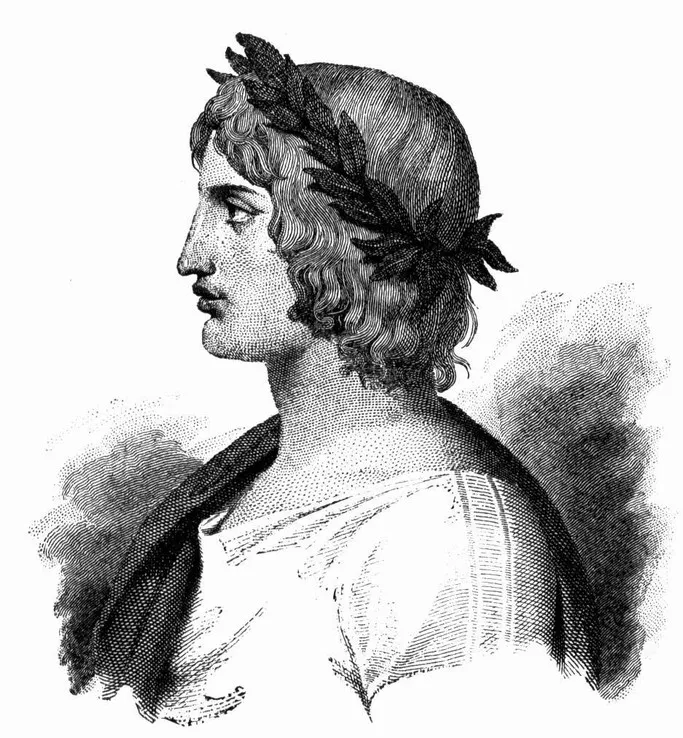
"Virgil" / Wikimedia Commons (Public domain).
Virgil, also known as Publius Vergilius Maro, was one of Ancient Rome's most celebrated poets. Born in 70 BCE near Mantua in northern Italy, Vergil lived during a period of great change for the Roman Republic as it transformed into the Roman Empire. He is best remembered for writing the Aeneid, an epic poem that became a cornerstone of Roman literature and identity.
The Aeneid was written between 29 BCE and 19 BCE, during the reign of Emperor Augustus. This era marked a shift from civil war to relative peace, known as the Pax Romana. Augustus wanted to strengthen Roman unity and pride. Vergil's Aeneid served this purpose by telling the legendary story of Aeneas, a Trojan hero who, after the destruction of Troy, travels to Italy. According to the poem, Aeneas becomes the ancestor of the founders of Rome. By connecting Rome’s origins to the famous stories of Troy, Vergil provided Romans with a heroic past and a sense of legitimacy for Augustus's rule.
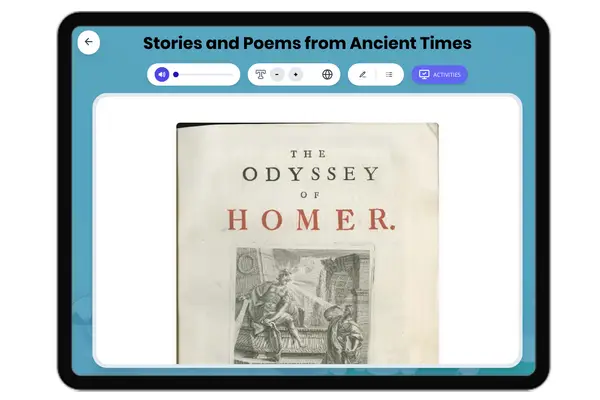
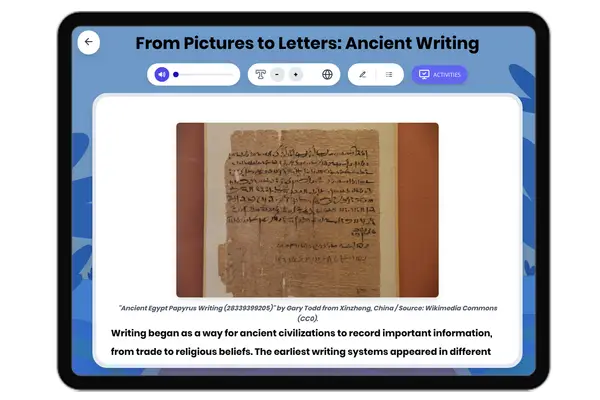
Vergil used many literary devices in his poetry, such as similes, metaphors, and dramatic speeches, to create a sense of grandeur. He also drew inspiration from earlier Greek works, especially Homer's Iliad and Odyssey. Archaeological findings, such as ancient manuscripts of the Aeneid found in Pompeii and Herculaneum, show that his work was read widely not only by Rome’s elite but also by ordinary citizens. Roman schoolchildren studied the Aeneid, and its verses were even painted on house walls. This illustrates how deeply the poem became woven into daily Roman life and education. In addition, ancient sources like the historian Suetonius describe how Augustus himself admired Vergil and ensured his works were preserved after his death in 19 BCE.
The impact of Vergil’s work continued long after his death. The Aeneid set a model for epic poetry in Western civilization and influenced later writers, such as Dante in his Divine Comedy. The poem reinforced Roman values like duty, loyalty, and courage. It also helped unite people across the vast Roman Empire by celebrating a shared heritage. Over centuries, the Aeneid remained a symbol of Roman achievement and cultural power, demonstrating the enduring importance of literature in shaping societies.
Vergil’s story connects to the broader themes of ancient history, including the use of art and literature to build identity and unity in a diverse empire.
Interesting Fact: Vergil requested that the Aeneid be burned after his death because he considered it unfinished, but Augustus ordered it to be published instead.
Who wrote the Aeneid?
VergilAugustusAeneasSuetonius
When was Vergil born?
70 BCE29 BCE19 BCE100 CE
Who is the hero of the Aeneid?
AeneasHomerAugustusJulius Caesar
Why did Augustus support the Aeneid?
To build Roman prideFor entertainmentFor war strategyTo make money
What was the Pax Romana?
A time of peaceA warA poemA place in Rome
How did the Aeneid help Roman society?
United people with shared storiesStarted a warEnded Roman educationDestroyed old books
Vergil died before finishing the Aeneid. True or false?