Ancient Science and Medicine
Interactive passage with audio narration, comprehension questions, and printable PDF.
By completing this purchase you agree to our Terms of Use and Privacy Policy. Your subscription renews automatically until you cancel. You can cancel anytime from your account settings. All sales are final and non-refundable. Digital content is available for download in your account immediately upon purchase.
What's included
Ancient Science and Medicine preview and details
About this printable Ancient Science and Medicine reading passage (Grades 6-8)
Sample passage and quiz from Ancient Science and Medicine
Reading passage and comprehension quiz preview
Ancient Science and Medicine
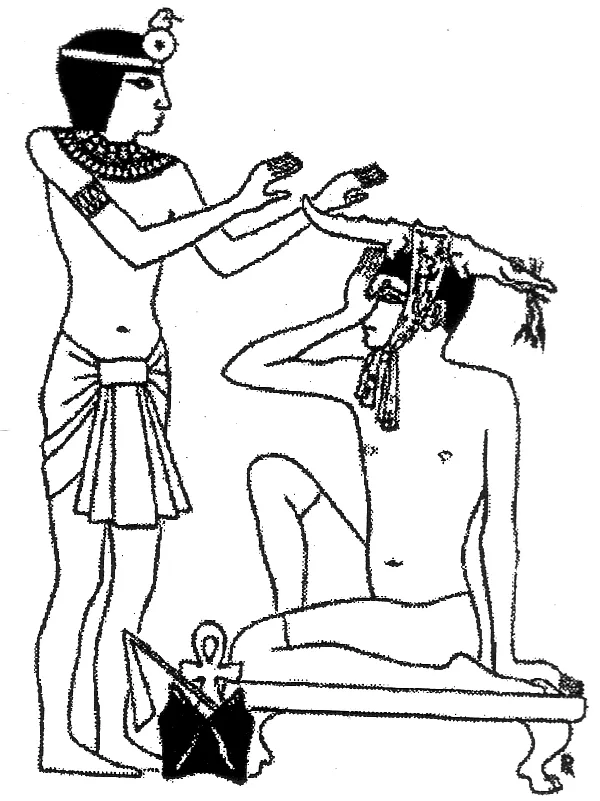
Papyrus Migraine Therapy
Wikimedia Commons
Science and medicine developed in ancient civilizations as people tried to understand the world and improve their health. From Ancient Egypt to Greece, early scientists and doctors used careful observation, experimentation, and written records to share knowledge and treat diseases. Their discoveries created the foundation for modern medicine and science.
In Ancient Egypt, healers and priests believed that illnesses were caused by both spiritual and physical forces. Egyptian doctors carefully recorded their procedures and remedies on papyrus scrolls. The Edwin Smith Papyrus, dating back to around 1600 BCE, is one of the oldest known medical documents. It describes treatments for wounds, fractures, and even brain injuries. Egyptian medicine also relied on herbs, surgery, and the study of the human body through mummification. These practices show how Egyptians combined religious beliefs with early scientific methods. Archaeological evidence, such as surgical tools found in tombs, supports written records of their medical expertise.
In Mesopotamia, people developed detailed records of symptoms and treatments on clay tablets. The Code of Hammurabi, created in Babylon around 1754 BCE, included laws that set standards for doctors and their fees. This legal code shows the importance of medicine in society and the social status of healers. Ancient Indian texts like the Ayurvedic Samhitas explained the importance of balance in health and described surgical procedures. In China, early doctors created herbal medicines and acupuncture, recording their findings in texts like the Huangdi Neijing (Yellow Emperor's Inner Canon).
Greek civilization made major advances in science and medicine by encouraging new ideas and questioning old beliefs. Hippocrates, a Greek physician born around 460 BCE, is often called the "father of medicine." He and his followers wrote the Hippocratic Corpus, a collection of medical works that stressed careful diagnosis, ethical behavior, and the need for doctors to keep patient information private. The Hippocratic Oath, still used in modern times, reflects these values. Greeks also built asclepions—healing temples dedicated to the god Asclepius—where patients went for both spiritual and practical treatments. Later, Roman doctors like Galen studied animal anatomy to understand human bodies, continuing the tradition of scientific inquiry.
Over time, ancient medical ideas spread across regions through trade, conquest, and migration. Some practices, like herbal remedies and surgical tools, show continuity, while others changed as new discoveries were made. The work of ancient scientists and doctors influenced societies for centuries and laid the groundwork for future advancements.
Studying ancient science and medicine shows how humans have always searched for ways to explain the natural world and improve life. The efforts of early civilizations to understand disease, develop treatments, and share knowledge connect directly to our modern ideas about health and science.
Interesting Fact: The Edwin Smith Papyrus is the first known document to describe the brain and its injuries, making it a unique source for early neuroscience.
Comprehension quiz (8 questions)
1. Who wrote the Hippocratic Corpus?
2. What document includes laws for doctors?
3. What did Egyptians use to record treatments?
4. Why was mummification important to medicine?
5. What is a cause for medical ideas spreading?
6. How did Greeks advance medicine?
7. The Edwin Smith Papyrus describes the brain. True or false?
8. What does 'diagnosis' mean?
Perfect for the way you teach
- Build comprehension skills
- Auto-graded quiz
- Differentiated reading
- Read together at home
- Improve fluency
- Quiet reading time
- Reading curriculum support
- Independent practice
- Track Lexile growth