Ancient World Literature
Interactive passage with audio narration, comprehension questions, and printable PDF.
By completing this purchase you agree to our Terms of Use and Privacy Policy. Your subscription renews automatically until you cancel. You can cancel anytime from your account settings. All sales are final and non-refundable. Digital content is available for download in your account immediately upon purchase.
What's included
Ancient World Literature preview and details
About this printable Ancient World Literature reading passage (Grades 6-8)
Sample passage and quiz from Ancient World Literature
Reading passage and comprehension quiz preview
Ancient World Literature
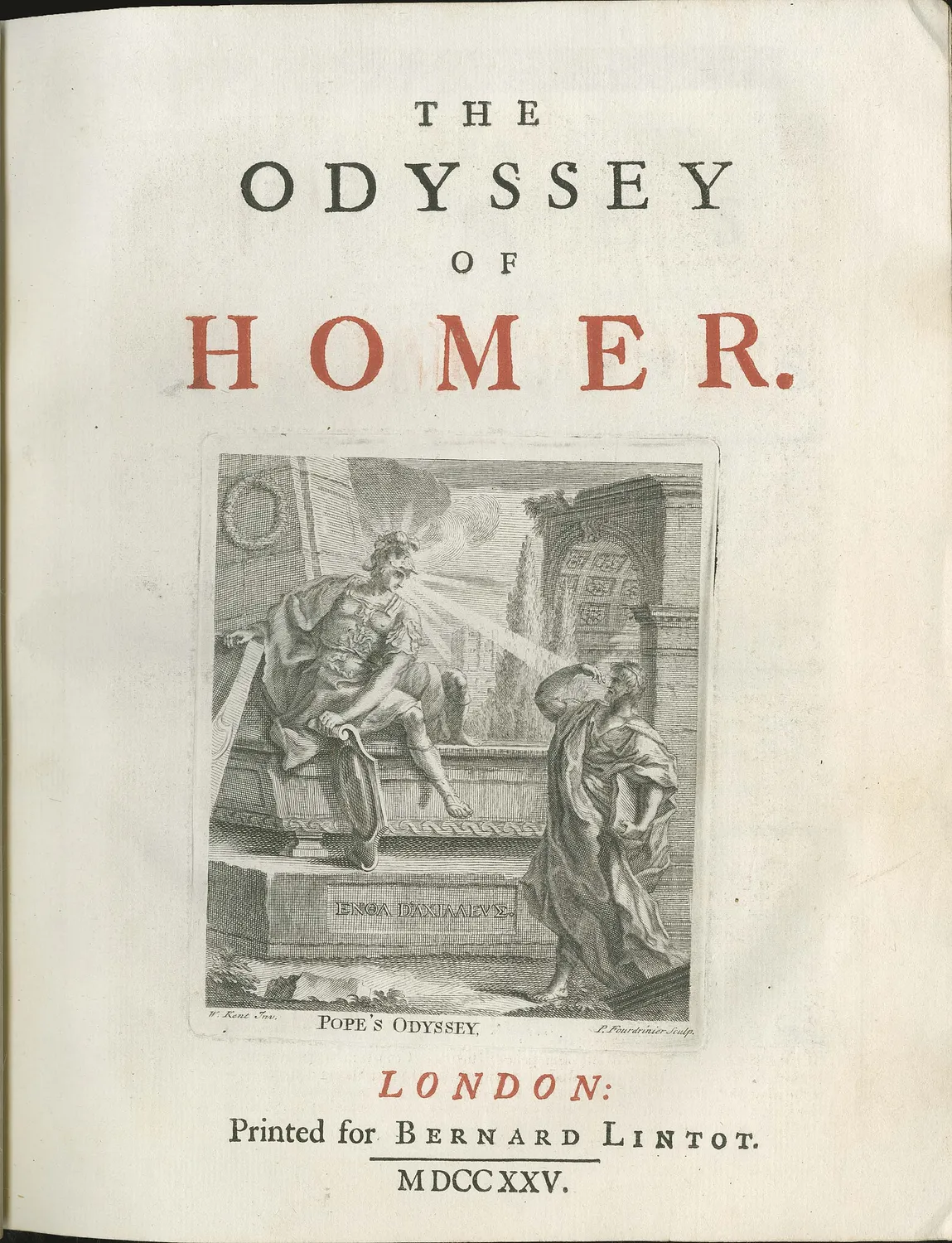
"Title page to Pope's Odyssey" by Paul Fourdrinier / William Kent /
Source: Wikimedia Commons (Public domain).
Throughout early civilizations, stories and poems played a major role in shaping societies. Ancient texts such as the Greek epics of Homer, the Indian Vedas, and the Hebrew Torah provide evidence of how people understood their world, remembered their past, and transmitted their beliefs. These works, known as primary sources, help historians analyze the values, traditions, and social order of ancient communities.
One of the most famous examples is the work of Homer, an ancient Greek poet from around the 8th century BCE. His epics, the Iliad and the Odyssey, were first passed down by word of mouth, a process known as oral tradition. Archaeological finds, like pottery with scenes from these stories, show their influence on Greek culture. The Iliad tells of the Trojan War, while the Odyssey describes the hero Odysseus’s long journey home. These poems taught values such as bravery, loyalty, and cleverness. They also reflected the Greek social hierarchy, with gods, kings, and commoners each playing important roles.
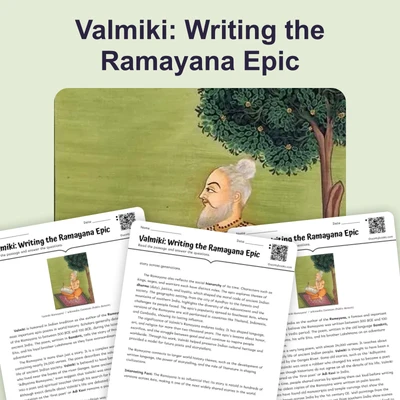
In ancient India, the Vedas form the oldest sacred texts, composed in Sanskrit between roughly 1500 and 500 BCE. The Vedas contain hymns, rituals, and philosophical ideas that shaped early Indian society. Like the Greek epics, they were originally recited aloud, often by priests. The Vedas helped organize religious practices and explained the roles of different groups in society, known as castes. Archaeologists have discovered ancient manuscripts and tools that show the Vedas’ importance in daily and spiritual life.
The Torah, central to ancient Israel, is another example of an epic tradition. Written over centuries, it contains laws, stories, and poetry that guided Jewish life. The Torah connects the people of Israel to their ancestors and land, reflecting their struggles, hopes, and faith. Scholars have found ancient scrolls and artifacts that match the stories described in the Torah, giving historians more information about the region’s history and geography.
These ancient texts reveal both change and continuity across time. While societies evolved and new religions or governments emerged, the practice of telling and recording stories remained constant. The stories and poems of ancient times continue to influence literature, law, and even the way people understand themselves today. Studying them helps historians and students connect with the past, see how societies responded to challenges, and appreciate the diversity of human experience.
By examining stories and poems from different ancient civilizations, we see how shared values, unique traditions, and the environment all shaped daily life. These texts form a bridge to broader themes in world history, such as belief systems, social structures, and the power of storytelling.
Interesting Fact: The oldest known written story is the Epic of Gilgamesh from Mesopotamia, dating back over 4,000 years.
Comprehension quiz (8 questions)
1. Who wrote the Iliad?
2. Where were the Vedas composed?
3. What is the Torah?
4. Why was oral tradition important?
5. How did the Vedas shape society?
6. What did ancient poems often teach?
7. Homer lived in ancient Greece. True or false?
8. What does 'primary sources' mean?
Perfect for the way you teach
- Build comprehension skills
- Auto-graded quiz
- Differentiated reading
- Read together at home
- Improve fluency
- Quiet reading time
- Reading curriculum support
- Independent practice
- Track Lexile growth