Indian Science, Math, and Art
— Reading Comprehension
Rate this|
1
Premium Resource
Present
Present in classroom. No work saved
Assign
Classroom with student accounts, Track progress
Quick Play
No student accounts, assign with a link
Grades
5
6
7
8
PRINT+DIGITAL RESOURCE
This learning resource is available in interactive and printable formats. The interactive worksheet can be played online and assigned to students. The Printable PDF version can be downloaded and printed for completion by hand.
This engaging history reading passage explores the enduring achievements of Ancient India in science, mathematics, and art, illustrating their profound influence on world civilization. Students will learn about the invention of the decimal system, advances in astronomy, and the development of unique artistic forms such as temple architecture and sculpture. The passage highlights specific figures like Aryabhata and the significance of texts such as the Aryabhatiya and Sushruta Samhita. The content is aligned with California HSS 6.5 and CCSS RH.6-8.1, supporting critical analysis and evidence-based learning. Included are a glossary, timeline, multiple-choice quiz, writing prompts, graphic organizers, and a Spanish translation. An accessible differentiated version ensures all learners can engage with the material. Read-aloud audio is available to further support comprehension. This resource is ideal for students and educators seeking to understand the lasting impact of Ancient India’s innovations.
CONTENT PREVIEW
Expand content preview
Ancient India made remarkable contributions to science, mathematics, and art, shaping not only Indian civilization but also influencing cultures around the world. Located in South Asia, the Indian subcontinent was home to great cities like Mohenjo-daro and Harappa along the Indus River as early as 2500 BCE. Over centuries, Indian thinkers, artists, and scholars developed new ideas, technologies, and creative works that still impact society today.
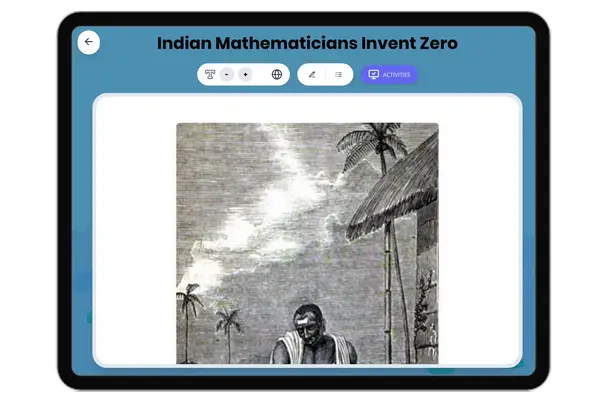
One of India’s most significant achievements was in mathematics. Indian mathematicians invented the concept of zero and the decimal system, which are essential for modern calculations. The earliest recorded use of zero as a number appears in a 5th-century text called the Bakhshali Manuscript. The mathematician Aryabhata, who lived around 500 CE, wrote the influential book Aryabhatiya. In this work, he explained how to calculate the value of pi and described the earth’s rotation on its axis, showing a deep understanding of astronomy. Later, Indian mathematicians like Brahmagupta further developed algebra and introduced rules for using zero in equations. These ideas eventually spread to the Islamic world and Europe, transforming mathematics globally.
In science and medicine, Indian scholars made important discoveries. The ancient text Sushruta Samhita (written before 500 CE) describes surgical techniques such as cataract removal and plastic surgery. Indian astronomers observed the movement of planets and stars, using mathematics to predict eclipses and develop calendars. The Gupta Empire (circa 320–550 CE) is often called the "Golden Age" of India because scholars and artists flourished during this time. Archaeological evidence, such as ancient surgical instruments and manuscripts, helps historians understand these advances, though some details remain debated among experts.
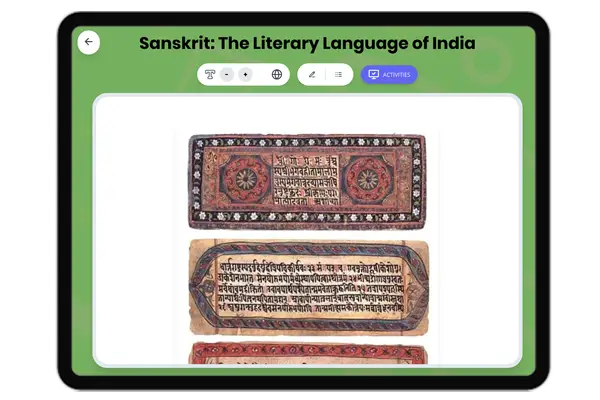
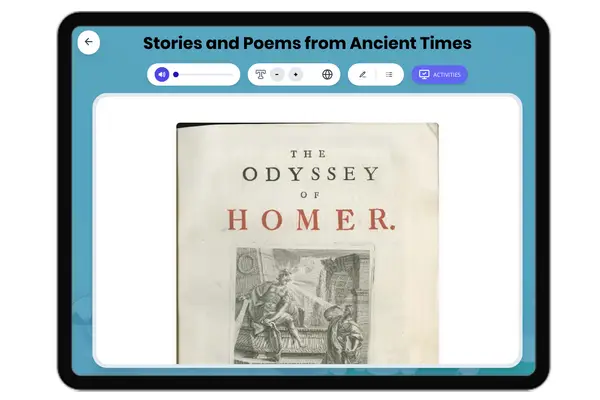
Art and architecture also thrived in ancient India. The construction of large temples, such as those at Khajuraho and Ellora, demonstrated advanced engineering and artistic skill. These temples were decorated with detailed carvings that told stories from Hindu, Buddhist, and Jain traditions. Artists used materials like stone, bronze, and terracotta to create statues and reliefs. In addition, Indian literature—written in Sanskrit—produced famous works such as the Mahabharata and Ramayana. These epic poems not only entertained but also passed down cultural values and historical knowledge.
The achievements of ancient India in science, mathematics, and art had lasting effects both within and beyond the subcontinent. Indian inventions in math and medicine were shared along trade routes, influencing societies from the Middle East to Europe and China. These developments show how geography, social organization, and cultural exchange contribute to human progress.
Ancient India’s legacy is found in daily life today—from the numbers we use, to medical practices, to architectural styles. Understanding these achievements helps us appreciate the interconnectedness of world history and the importance of cultural exchange.
Interesting Fact: Ancient Indian engineers built stepwells—unique water storage systems with steps leading down to water—which can still be seen in India today.