Life Under Mesopotamian Empire
Interactive passage with audio narration, comprehension questions, and printable PDF.
By completing this purchase you agree to our Terms of Use and Privacy Policy. Your subscription renews automatically until you cancel. You can cancel anytime from your account settings. All sales are final and non-refundable. Digital content is available for download in your account immediately upon purchase.
What's included
Life Under Mesopotamian Empire preview and details
About this printable Life Under Mesopotamian Empire reading passage (Grades 5-8)
Sample passage and quiz from Life Under Mesopotamian Empire
Reading passage and comprehension quiz preview
Life Under Mesopotamian Empire
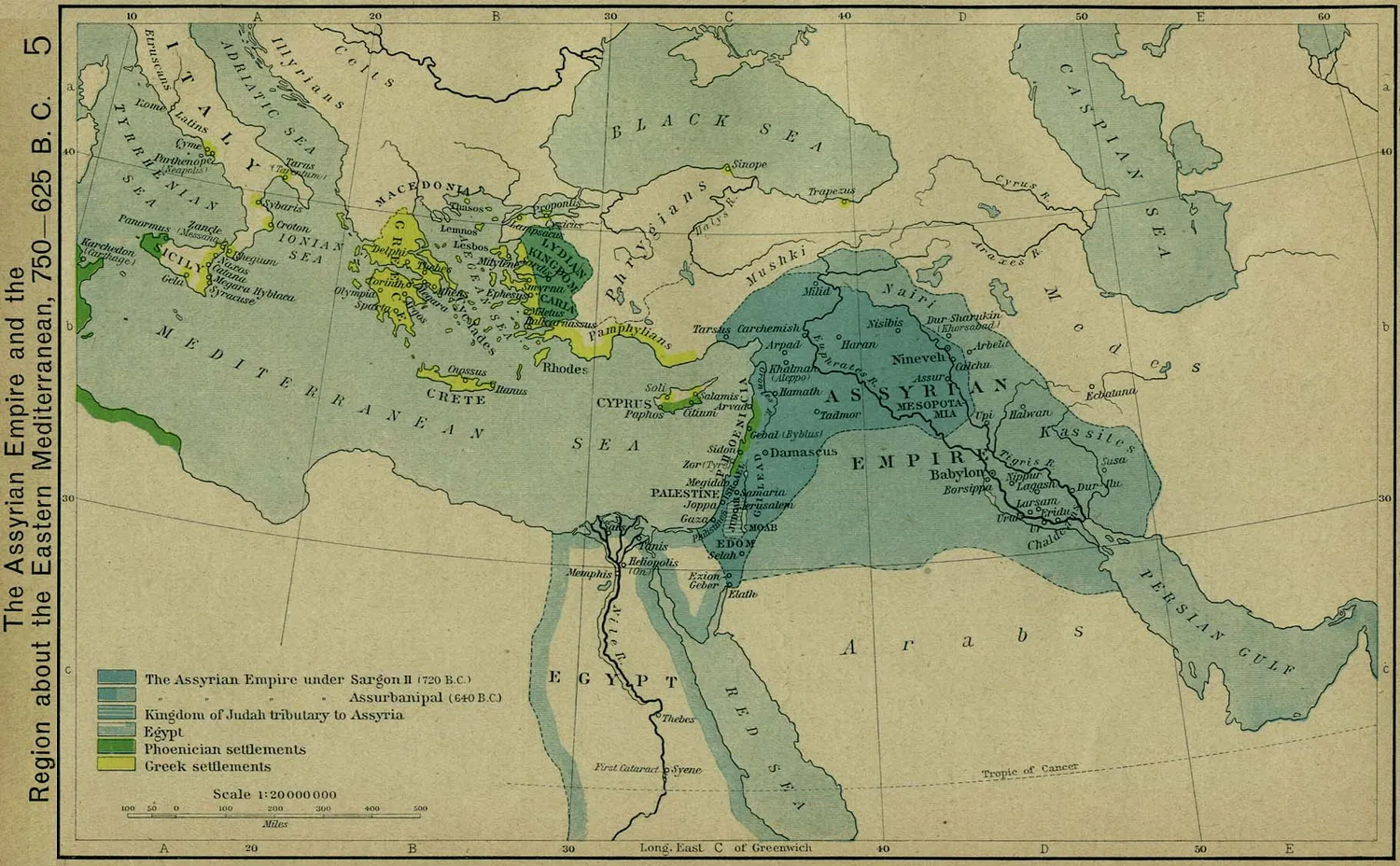
"Assyrian empire 750 625" by William Robert Shepherd / Wikimedia Commons
Mesopotamia, located between the Tigris and Euphrates rivers, experienced dramatic changes as powerful empires emerged and replaced independent city-states. These shifts affected every part of daily life, from government to social order and the rights of ordinary people.
In the early period, Mesopotamia was made up of city-states like Ur, Uruk, and Lagash. Each city-state had its own ruler, laws, and customs. Priests and kings held power, and cuneiform tablets show that people traded goods, built large temples called ziggurats, and depended on the rivers for farming. This system allowed for innovation, but city-states often fought each other for land and resources. Archaeological evidence from the Royal Tombs of Ur reveals the wealth and complexity of Sumerian society, but also frequent warfare.
The rise of empires began around 2334 BCE with Sargon of Akkad. Sargon conquered many city-states and created the first known empire in history, the Akkadian Empire. He established a central government and appointed loyal officials to rule distant lands. This unified administration helped spread the Akkadian language and culture across Mesopotamia. According to ancient inscriptions, Sargon boasted of ruling "from the lower sea to the upper sea," referring to the Persian Gulf and the Mediterranean. However, maintaining control over such a vast area was difficult. The Akkadian Empire eventually collapsed due to rebellion and invasion.
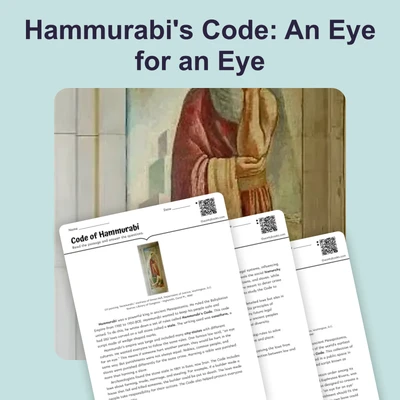
Later, Babylon, under King Hammurabi (ruled 1792–1750 BCE), created another powerful empire. Hammurabi is famous for his code of laws, which was inscribed on a stone stele. The Code of Hammurabi listed nearly 300 laws and punishments, showing the importance of order in imperial rule. These laws covered everything from property disputes to trade and family life. Archaeological finds like the Stele of Hammurabi provide primary evidence of how imperial governments used written law to control society. Under empires, social hierarchy became more rigid, with kings, priests, merchants, and laborers occupying specific classes.
The rise of empires brought both benefits and challenges. Centralized rule allowed for large-scale projects, like irrigation canals and road networks, and helped protect people from outside threats. However, it also meant less independence for local communities and sometimes harsh treatment of conquered peoples. Over time, the traditions of Mesopotamian empires influenced neighboring regions, spreading ideas such as written laws and taxation systems.
Today, historians use cuneiform tablets, monumental art, and archaeological remains to study the changes that empires brought to Mesopotamia. These sources reveal a society that was constantly adapting to new rulers and ideas, shaping the foundations of later civilizations.
Interesting Fact: The Code of Hammurabi is one of the oldest surviving law codes in the world, and its phrase "an eye for an eye" has influenced legal ideas for thousands of years.
Comprehension quiz (8 questions)
1. Who created the first empire in Mesopotamia?
2. What is the Code of Hammurabi?
3. What did city-states often fight over?
4. How did empires affect social hierarchy?
5. What was an effect of centralized rule?
6. Why did the Akkadian Empire collapse?
7. The Code of Hammurabi is the newest law code. True or false?
8. What does "cuneiform" mean?
Perfect for the way you teach
- Build comprehension skills
- Auto-graded quiz
- Differentiated reading
- Read together at home
- Improve fluency
- Quiet reading time
- Reading curriculum support
- Independent practice
- Track Lexile growth