Reading PassagePremium

Monarchy in the Ancient World

Interactive passage with audio narration, comprehension questions, and printable PDF.

No ratings yet
Grades 6–8ReadingElaSocial-studiesHistoryEnglish · SpanishInteractive · Printable
Aligned toCA HSS 6.2.36.2.4CCSS.RH.6-8.1CCSS.RH.6-8.2
Just this resource
$1.50
One-time purchase
Best value
Unlock everything
$49.99$24.99/yr
50% off until Sept 15 — 10,000+ resources
Renews at $49.99/year.

By completing this purchase you agree to our Terms of Use and Privacy Policy. Your subscription renews automatically until you cancel. You can cancel anytime from your account settings. All sales are final and non-refundable. Digital content is available for download in your account immediately upon purchase.

Unlock above to use these actions

What's included

Reading passage
Audio narration
Comprehension quiz
Writing activity
Glossary & flashcards
Differentiated version
Spanish translation

Monarchy in the Ancient World preview and details

About this printable Monarchy in the Ancient World reading passage (Grades 6-8)

This reading passage explores the concept of monarchy in ancient civilizations, focusing on the origins, structure, and significance of kings and queens in societies such as Egypt and Mesopotamia. Students will learn about the idea of divine right, hereditary power, and the impact of monarchies on daily life and social hierarchy. Using primary sources and archaeological evidence, the passage examines how monarchies shaped government, culture, and the development of civilization. The passage is aligned to CA HSS 6.2.3 and 6.2.4, and includes a glossary, multiple-choice questions, writing prompts, graphic organizers, and a timeline. Features include read aloud audio and a Spanish translation for accessibility. This resource supports the development of historical thinking skills and meets key ELA and history standards.
Written by Workybooks TeamPublished by Workybooks
Preview

Sample passage and quiz from Monarchy in the Ancient World

Reading passage and comprehension quiz preview

Monarchy in the Ancient World
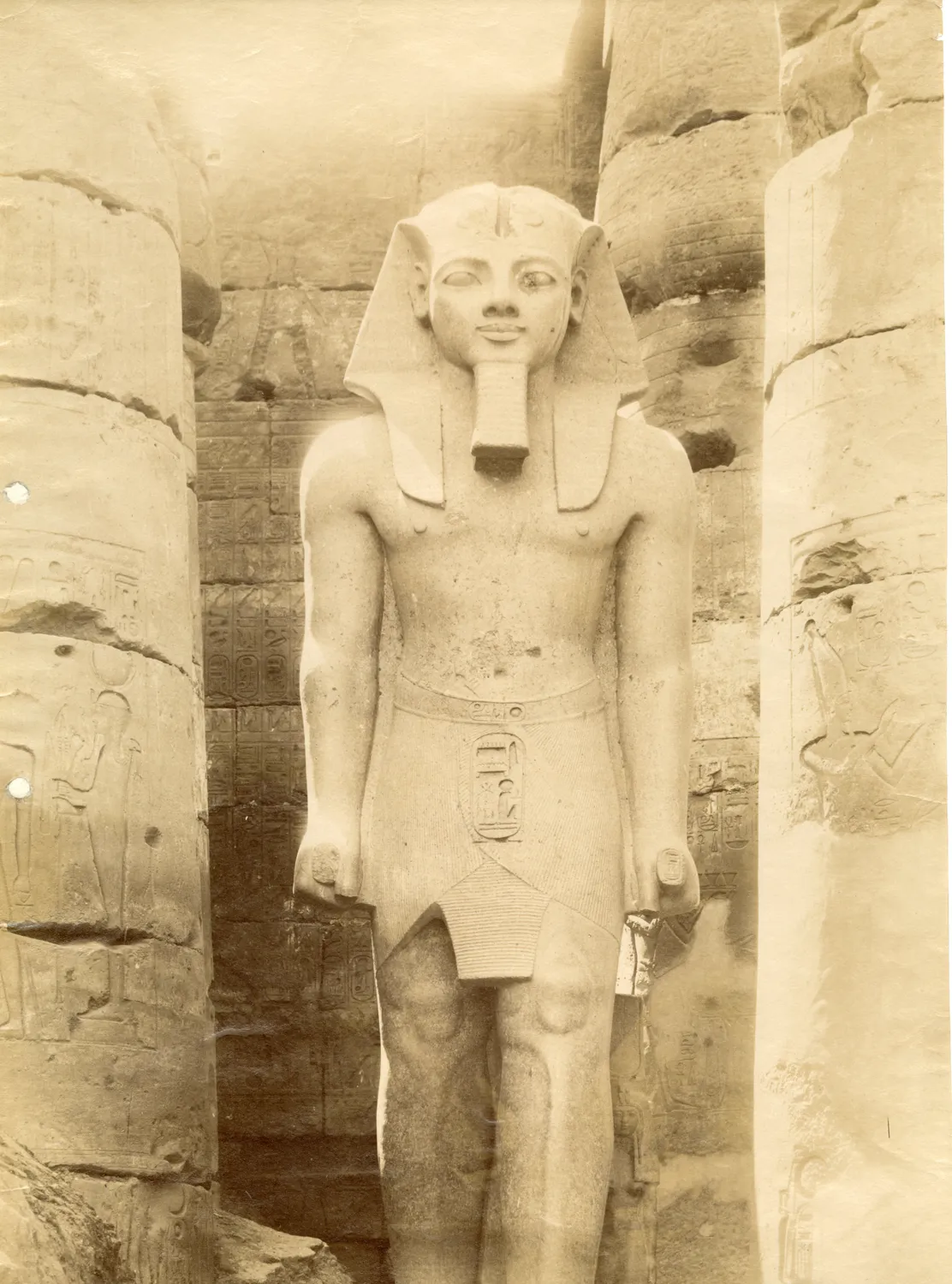
Theban region, Luxor temple, 19th century pictures, 1870-1888, photo 9 of 37 - Archivio fotografico Museo Egizio, Turin INV03 002

"Statue of Pharaoh Ramesses II" / Wikimedia Commons (CC0). 

A monarchy is a form of government ruled by a king or queen. In many ancient civilizations, monarchies were central to how societies were organized. Monarchs often claimed the right to rule by divine power and passed their authority down through family lines, a practice called hereditary succession.

One of the earliest and most famous monarchies developed in ancient Egypt. The Egyptian pharaohs, such as Ramesses II (ruled 1279–1213 BCE), were believed to be living gods. This belief in the divine right of kings meant that pharaohs were not just political leaders but also religious figures. Primary sources, such as the Pyramid Texts carved inside tombs, show that Egyptians thought the pharaoh had the power to communicate with the gods. This religious authority gave the monarchy stability, as people believed their ruler could protect them from disaster and ensure the Nile River flooded each year, which was essential for farming.

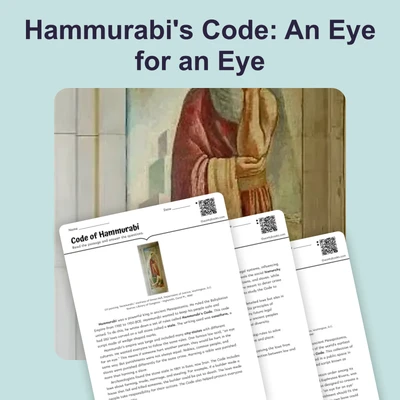
In Mesopotamia, another ancient civilization, kings like Hammurabi of Babylon (ruled c. 1792–1750 BCE) created written laws to maintain order. The Code of Hammurabi, inscribed on a stone stele, is one of the oldest surviving legal documents. Hammurabi stated that the gods chose him to bring justice. Unlike Egypt, Mesopotamian monarchies often faced challenges from powerful city-state leaders and priests, so rulers had to balance religious and political power. Archaeological evidence, such as royal tombs in Ur, reveals that kings had large palaces and controlled trade, warfare, and the building of temples.

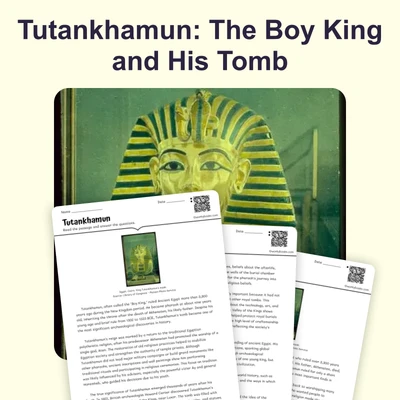
The structure of monarchy created a clear social hierarchy. At the top were the monarch and their family, followed by nobles, priests, soldiers, and artisans, with farmers and laborers at the bottom. This system could provide order but also limited the rights of most people. Monarchs used symbols of power, like crowns and thrones, to show their authority. Artifacts such as the golden mask of Tutankhamun and the Babylonian Lion Gate remind historians of the legacy of ancient kings and queens.

Monarchies have changed over time, but the idea of hereditary rule and divine right influenced many later societies. Understanding ancient monarchies helps explain how power, religion, and geography shaped civilizations. Many modern nations still have kings or queens, though their roles have evolved.

This topic connects to the broader theme of how humans organize societies and create systems of government.

Interesting Fact: The ancient Egyptian pharaoh Hatshepsut was one of the few women to rule as pharaoh, and she often dressed as a man in statues to show her authority.

Comprehension quiz (8 questions)

1. Who ruled ancient Egypt as a living god?

Pharaoh
Scribe
Priest
Artisan

2. Which code is one of the oldest legal documents?

Code of Hammurabi
Twelve Tables
Magna Carta
Edict of Milan

3. How did monarchs usually gain power?

Hereditary succession
Warriors voted
By election
Random selection

4. Why were pharaohs seen as religious figures?

Believed to be living gods
Built the pyramids
Wrote laws
Traveled widely

5. What was a main effect of monarchy?

Clear social hierarchy
No social classes
Freedom for all
End of religion

6. Why did Mesopotamian kings face challenges?

Competition from priests and city leaders
No written laws
No temples
Few workers

7. Monarchies influenced later societies. True or false?

True
False

8. What does 'divine right' mean?

Power from the gods
Power from soldiers
Power from merchants
Power from farmers
Who it's for

Perfect for the way you teach

Teachers
  • Build comprehension skills
  • Auto-graded quiz
  • Differentiated reading
Parents
  • Read together at home
  • Improve fluency
  • Quiet reading time
Homeschoolers
  • Reading curriculum support
  • Independent practice
  • Track Lexile growth
Topics

Reviews & Ratings

No reviews yet. Be the first to share your experience!

More reading you might love

19 more
Passage
Akhenaten the Heretic Pharaoh - reading educational content
Grades 5–8

Akhenaten the Heretic Pharaoh

ancient history · CA HSS 6.2.3+3

$1.50
Passage
Trade in Ancient Mesopotamia - reading educational content
Grades 5–8

Trade in Ancient Mesopotamia

ancient history · CA HSS 6.2.3+4

$1.50
Passage
Nubia's Gold and Trade Routes - reading educational content
Grades 5–8

Nubia's Gold and Trade Routes

ancient history · CA HSS 6.2.3+2

$1.50
Passage
Hatshepsut the Female Pharaoh - reading educational content
Grades 5–8

Hatshepsut the Female Pharaoh

ancient history · CA HSS 6.2.3+3

$1.50
Passage
Tutankhamun the Boy King - reading educational content
Grades 5–8

Tutankhamun the Boy King

ancient history · CA HSS 6.2.3+4

$1.50
Passage
Code of Hammurabi - reading educational content
Grades 5–8

Code of Hammurabi

ancient history · CA HSS 6.2.3+3

$1.50
Passage
Zoroastrianism in Ancient Persia - reading educational content
Grades 6–8

Zoroastrianism in Ancient Persia

ancient history · CA HSS 6.2.3+3

Free
Passage
Comparing Hinduism and Buddhism - reading educational content
Grades 5–8

Comparing Hinduism and Buddhism

ancient history · CA HSS 6.2.3+3

$1.50
Passage
West Africa in 300 CE - reading educational content
Grades 5–8

West Africa in 300 CE

ancient history · CA HSS 6.2.3+3

$1.50
Passage
Apollo 11 Moon Rocks - reading educational content
Grades 5–8

Apollo 11 Moon Rocks

world history · CA HSS 6.2.3+3

$1.50
Passage
Neanderthals and Denisovans - reading educational content
Grades 6–8

Neanderthals and Denisovans

ancient history · CA HSS 6.1.1+4

$1.50
Passage
Discovery of Fire - reading educational content
Grades 6–8

Discovery of Fire

ancient history · CA HSS 6.1.1+3

$1.50
Passage
Empires Across the Ancient World - reading educational content
Grades 6–8

Empires Across the Ancient World

ancient history · CA HSS 6.6+4

$1.50
Passage
Tools of the Stone Age - reading educational content
Grades 6–8

Tools of the Stone Age

ancient history · CA HSS 6.1.1+3

$1.50
Passage
Ban Zhao the Historian - reading educational content
Grades 6–8

Ban Zhao the Historian

ancient history · CA HSS 6.6.7+3

$1.50
Passage
Chandragupta and the Mauryan Empire - reading educational content
Grades 6–8

Chandragupta and the Mauryan Empire

ancient history · CA HSS 6.5+2

Free
Worksheet
The Legacy of Rome - worksheet educational content
Grades 5–8

The Legacy of Rome

ancient history · D2.CIV.1.6-8+2

$1.50
Worksheet
The Gift of the Nile - worksheet educational content
Grades 5–8

The Gift of the Nile

ancient history · D2.GEO.2.6-8+2

$1.50
Worksheet
Pharaohs, Government, and Society - worksheet educational content
Grades 5–8

Pharaohs, Government, and Society

ancient history · D2.CIV.1.6-8+2

Free
Copyright © 2026 Workybooks. Made with ♥ in California.