
Passage
Grades 5–8
Cloning: Copying Life Through Asexual Reproduction
Reading Passage · MS-LS3-1
$1.50

Explore our collection of Life Science Applications resources spanning grades K to 8. These printable and digital worksheets, games, readers, and activities help students understand how life science concepts apply to conservation, agriculture, biotechnology, and human health. Some resources are free; a paid membership unlocks the full library.
Reading Passage · MS-LS3-1
Reading Passage · MS-LS3-1
Reading Passage · MS-LS2-5
Reading Passage · MS-LS2-4
Reading Passage · MS-ESS3-4
Reading Passage · MS-LS2-4
40% off until Aug 1
Reading Passage · MS-ESS3-4
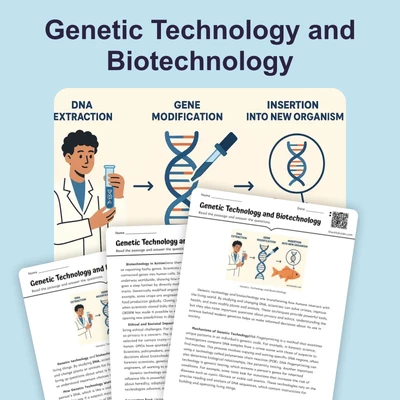
Reading Passage · MS-LS3-1
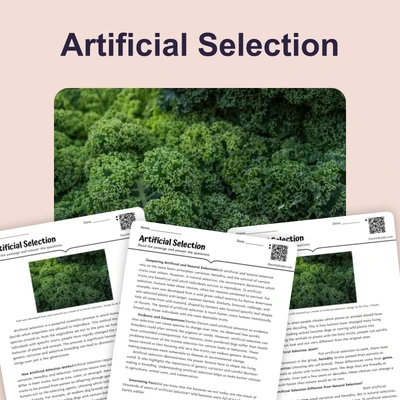
Reading Passage · MS-LS4-5
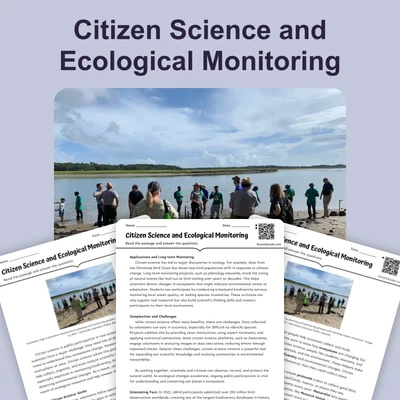
Reading Passage · MS-LS2-1
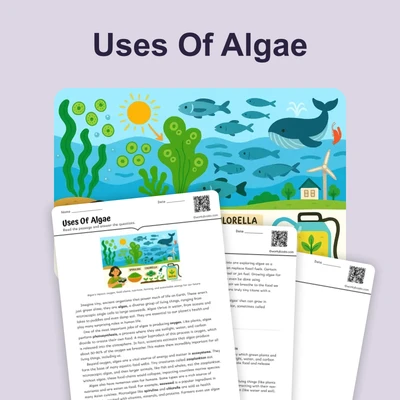
Reading Passage
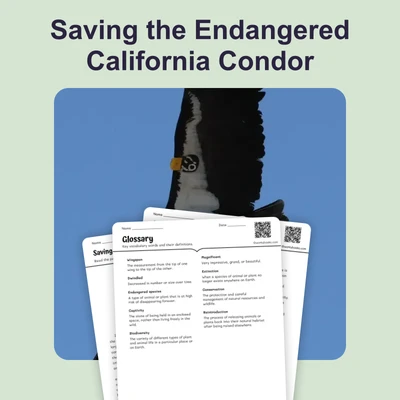
Reading Passage · LS4.D: BIODIVERSITY AND HUMANS - HUMANS CAN PROTECT AND RESTORE BIODIVERSITY THROUGH CONSERVATION EFFORTS AND BREEDING PROGRAMS.
Three ways to use Workybooks — pick what fits.
Life Science Applications resources build understanding of how living systems and scientific knowledge are used to solve real-world problems. In the earliest grades, students explore basic conservation concepts like reducing waste and protecting habitats. As they progress through upper elementary and middle school, they delve into agriculture and biotechnology, learning about food production, genetic modification, and sustainable farming. Human health topics introduce the science behind nutrition, disease prevention, and medical advancements. Related concepts such as ecosystems, food webs, and the impact of human activity on the environment are woven throughout. These resources scaffold learning from simple cause-and-effect relationships to more complex systems thinking, helping students connect classroom science to everyday life.
Teachers can use this hub to find resources that match each student's readiness level. For whole-group instruction, select a grade-appropriate reading passage or activity. In small groups and literacy centers, differentiated worksheets and games allow students to practice at their own pace. The printable and digital options make it easy to assign independent practice, homework, or intervention work. Use the graphic organizers for review or assessment, and mix resources across subtopics to create a cohesive unit on life science applications. This flexibility supports a mixed-ability classroom where every student can engage meaningfully.
These resources are aligned to grade-level Common Core standards for reading informational text and writing, as well as Next Generation Science Standards for life science across grades K-8. They support key disciplinary core ideas and crosscutting concepts.
Yes, many of our Life Science Applications worksheets printable and digital versions are available. You can download and print them for classroom use, or assign them digitally through your learning management system. Some resources are free; full access requires a paid membership.
Absolutely. Our Life Science Applications worksheets for kids are designed for grades K-8, with age-appropriate content and activities. They cover conservation, agriculture, biotechnology, and human health in a way that is engaging and accessible.
Each resource is labeled by grade range (e.g., K-2, 3-5, 6-8). You can filter by grade and subtopic to find resources that match your students' reading level and prior knowledge. Many resources are scaffolded or include differentiated versions.
Yes, many worksheets and graphic organizers can be used as formative or summative assessments. They are also suitable for review, homework, and intervention. The answer keys are included for teacher-authored resources.