This learning resource is available in interactive and printable formats. The interactive worksheet can be played online and assigned to students. The Printable PDF version can be downloaded and printed for completion by hand.
This comprehensive passage introduces students in grades 6-8 to the major strategies used in conservation biology, such as protected areas, wildlife corridors, ex situ conservation, and habitat restoration. Aligned with NGSS standards MS-LS2-5 and MS-ESS3-4, it explains both the scientific mechanisms behind these methods and their real-world impact, highlighting success stories like the recovery of the bald eagle and the reintroduction of wolves to Yellowstone. The passage encourages scientific thinking by showing how evidence-based approaches and community involvement help maintain biodiversity. It includes a glossary, differentiated versions in English and Spanish, comprehension and writing activities, and graphic organizers. Audio integration makes the content accessible for diverse learners. This resource is ideal for classrooms focusing on ecology, environmental science, or human impacts on ecosystems.
CONTENT PREVIEW
Expand content preview
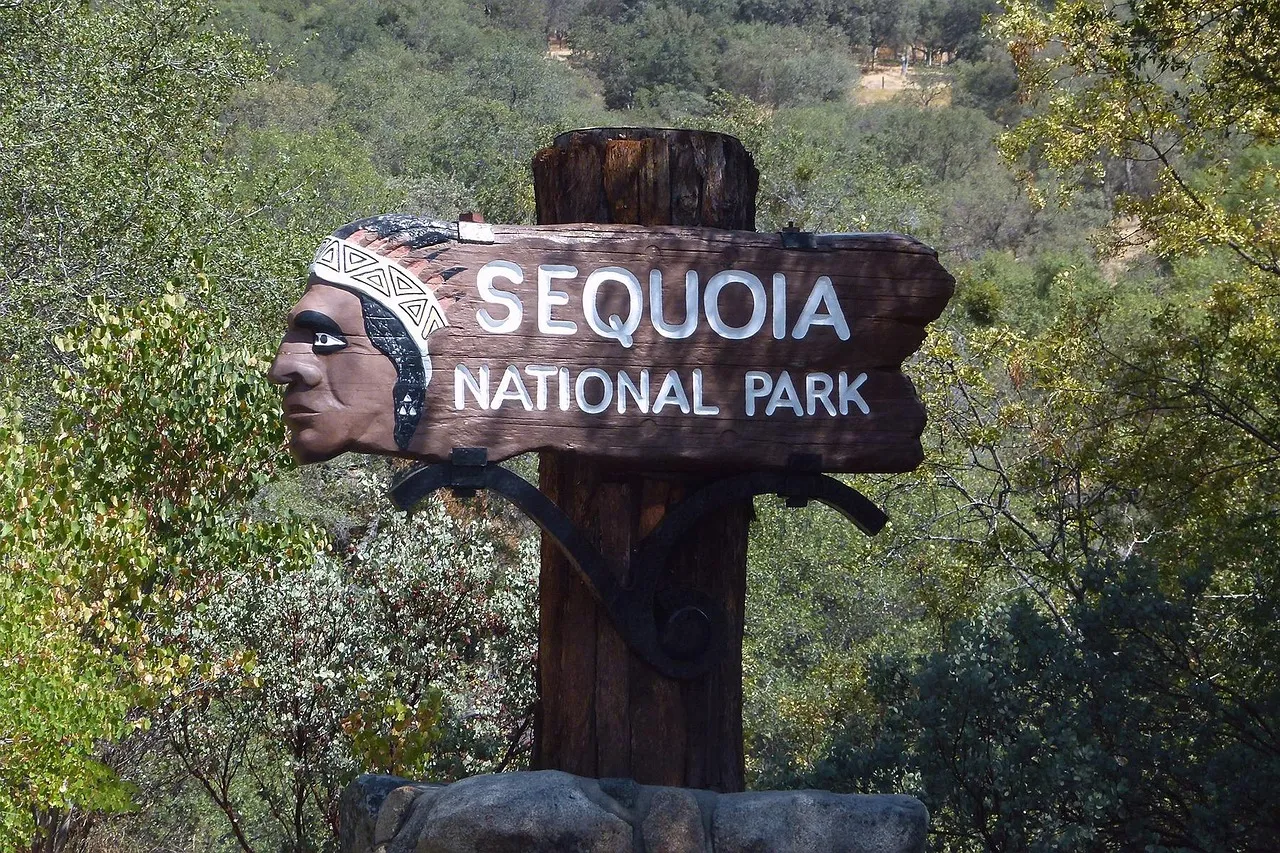
Protected areas such as national parks limit human activity to provide safe habitats for species to thrive. Image by ArtTower / Pixabay.
Biodiversity loss is a significant global problem that threatens ecosystem stability and human well-being. Scientists and conservationists have developed a variety of strategies to protect the diversity of life on Earth. These conservation strategies help maintain healthy populations of plants and animals and support ecosystem functions. Understanding how these methods work reveals the complex interactions between humans and the natural world. Conservation efforts are based on scientific research and evidence, allowing us to measure their effectiveness over time.
Protected Areas and Wildlife Corridors One of the most common conservation strategies is the creation of protected areas such as national parks, wildlife reserves, and marine protected areas. These regions limit human activity to provide safe habitats for species to thrive. For example, the United States has over 400 national parks, covering more than 84 million acres. However, isolated protected areas can lead to fragmented habitats, which make it difficult for animals to find mates, food, and shelter. Scientists address this problem by establishing wildlife corridors, which connect separate habitats and allow animals to move safely between them. Wildlife corridors have helped species like Florida panthers and mountain lions survive by reducing roadkill and increasing genetic diversity.
Ex Situ Conservation and Reintroduction Sometimes, species are so endangered that they cannot survive in the wild. Ex situ conservation removes organisms from their natural habitats for protection and breeding. Examples include zoos, seed banks, and captive breeding programs. Zoos have played a key role in saving species like the California condor, whose wild population dropped to just 27 birds in the 1980s. Through careful breeding and care, scientists increased their numbers and later released them back into the wild in a process called reintroduction. Seed banks, like the Svalbard Global Seed Vault, store millions of seeds to protect plant diversity against threats such as climate change or disease.
Habitat Restoration and Community-Based Conservation Restoring damaged habitats is another critical strategy. Habitat restoration includes activities like reforestation, wetland creation, and removing invasive species. For instance, wetland restoration has brought back bird populations in the Everglades. Community-based conservation empowers local people to manage resources sustainably. In Kenya, community groups protect elephants and lions by combining traditional knowledge with modern science. These approaches recognize that people are part of ecosystems and must be involved in conservation decisions.
Conservation strategies interact in complex ways. For example, reintroducing wolves to Yellowstone National Park not only increased wolf numbers but also improved river health by controlling deer populations. Success stories like the recovery of the bald eagle and the humpback whale show that science-based conservation can reverse declines. As habitats and species face new threats, ongoing research and community involvement are essential to adapt strategies for the future.
Interesting Fact: Since the passage of the Endangered Species Act in the United States, over 99% of listed species have avoided extinction, demonstrating the power of coordinated conservation efforts.
What is the main goal of conservation strategies?
To protect biodiversity and maintain healthy ecosystems.To increase tourism in national parks.To build more roads in wild areas.To reduce the number of animal species.
Which of the following is an example of a protected area?
A national parkA city zooA shopping mallA farm
What does 'fragmented habitats' mean in the passage?
Habitats that are broken into smaller, isolated pieces.Habitats that are underwater.Habitats with too many trees.Habitats located in cities.
What is the purpose of wildlife corridors?
To connect separated habitats and allow animals to move safely.To divide habitats further.To build houses for people.To keep animals away from water sources.
Based on the passage, why might ex situ conservation be necessary?
When a species is too endangered to survive in the wild.When a species is very common.When a species is already extinct.When habitats are too large.
What effect did reintroducing wolves to Yellowstone have, according to the passage?
It improved river health by controlling deer populations.It reduced the number of other animals.It caused more habitat loss.It made the wolves endangered again.
How does community-based conservation help protect wildlife?
By involving local people in managing and protecting resources.By removing all humans from wild areas.By focusing only on plants.By building more roads in protected areas.
Why are habitat restoration projects important?
They repair damaged ecosystems and support biodiversity.They increase pollution in wetlands.They remove all animal species from an area.They build more shopping centers.
True or False: Seed banks are used to store seeds to protect plant diversity.
TrueFalse
True or False: All conservation strategies work separately and never interact.
TrueFalse
Perfect For:
👩🏫 Teachers
• Reading comprehension practice
• Auto-graded assessments
• Literacy skill development
👨👩👧👦 Parents
• Reading practice at home
• Comprehension improvement
• Educational reading time
🏠 Homeschoolers
• Reading curriculum support
• Independent reading practice
• Progress monitoring
Reading Features:
📖
Reading Passage
Engaging fiction or nonfiction text
❓
Comprehension Quiz
Auto-graded questions
📊
Instant Feedback
Immediate results and scoring
📄
Printable Version
Download for offline reading
🔊
Read Aloud
Voice-over with word highlighting
Reviews & Ratings
No reviews yet. Be the first to share your experience!
Related Content
Natural Disaster: Tornadoes
Tornadoes are dangerous spinning columns of air. Knowing the signs and having safety plans can help protect you from the...
RI.3.1RI.4.4RI.4.2RI.5.2
Environmental Problems and Solutions
This passage for grades 6-8 introduces major environmental problems such as habitat loss, pollution, climate change, inv...
MS-LS2-4MS-ESS3-3MS-ESS3-4
Sustainability and Individual Action
This reading passage for grades 6-8 introduces the concept of sustainability, defined as meeting current needs without c...
MS-ESS3-4
Restoration Ecology
This passage introduces middle school students to the vital field of restoration ecology, aligning with NGSS standards M...
MS-LS2-4MS-ESS3-4
Climate Change: Solutions and Mitigation
This passage explores scientific solutions and mitigation strategies for climate change, designed for middle school scie...
MS-ESS3-4MS-ESS3-5
Renewable vs. Nonrenewable Energy
This engaging passage, aligned with NGSS standards MS-PS3-4, MS-ESS3-3, and MS-ESS3-4, helps middle school students diff...
MS-PS3-4MS-ESS3-3MS-ESS3-4
Fossil Fuels: Coal
This middle school science reading passage explores the science behind coal, a major fossil fuel. Students will learn ho...
MS-PS3-4MS-ESS3-3MS-ESS3-4
Solar Energy
This engaging passage for grades 6-8 explores the science of solar energy, focusing on how sunlight is converted into el...
MS-PS3-4MS-ESS3-3MS-ESS3-4
Wind Energy
This comprehensive middle school science passage explores the scientific principles behind wind energy and how wind turb...
MS-PS3-4MS-ESS3-3MS-ESS3-4
Hydroelectric Energy
This comprehensive passage introduces middle school students to the science behind hydroelectric energy, directly aligni...
MS-PS3-4MS-ESS3-3MS-ESS3-4
Soil Conservation
This passage for grades 6-8 explains soil conservation, aligning with NGSS standard MS-ESS3-4. Students will learn about...
MS-ESS3-4
Minerals and Rocks as Resources
This middle school science passage, aligned to NGSS standards MS-ESS3-1 and MS-ESS3-4, explores the critical role that m...
MS-ESS3-1MS-ESS3-4
Galápagos Islands
This engaging science passage explores the Galápagos Islands, a volcanic archipelago located off the coast of Ecuador in...
MS-LS2-1MS-LS4-4MS-ESS3-4
Geothermal Energy
This comprehensive science passage introduces middle school students to the mechanisms and applications of geothermal en...
MS-PS3-4MS-ESS3-3MS-ESS3-4
Biomass and Biofuels
This NGSS-aligned passage introduces grades 6-8 students to the science of biomass and biofuels, explaining how organic ...
MS-PS3-4MS-ESS3-3MS-ESS3-4
Nuclear Energy as a Resource
This NGSS-aligned informational science passage, designed for grades 6-8, explores nuclear energy as a resource in the c...
MS-PS3-4MS-ESS3-3MS-ESS3-4
Water as a Resource
This middle school science passage examines water as a critical resource, focusing on how it is used, managed, and conse...
MS-ESS3-1MS-ESS3-4
Florida Everglades
This comprehensive passage introduces middle school students to the Florida Everglades, a distinctive wetland ecosystem ...
MS-LS2-1MS-LS2-4MS-ESS3-3MS-ESS3-4
Nuclear Safety and Waste
This middle school science passage explores the critical topic of nuclear safety and waste management, aligned with NGSS...