Genetic Technology and Biotechnology
Interactive passage with audio narration, comprehension questions, and printable PDF.
By completing this purchase you agree to our Terms of Use and Privacy Policy. Your subscription renews automatically until you cancel. You can cancel anytime from your account settings. All sales are final and non-refundable. Digital content is available for download in your account immediately upon purchase.
What's included
Genetic Technology and Biotechnology preview and details
About this printable Genetic Technology and Biotechnology science reading passage, NGSS-aligned (Grades 5-8)
Sample passage and quiz from Genetic Technology and Biotechnology
Reading passage and comprehension quiz preview
Genetic Technology and Biotechnology
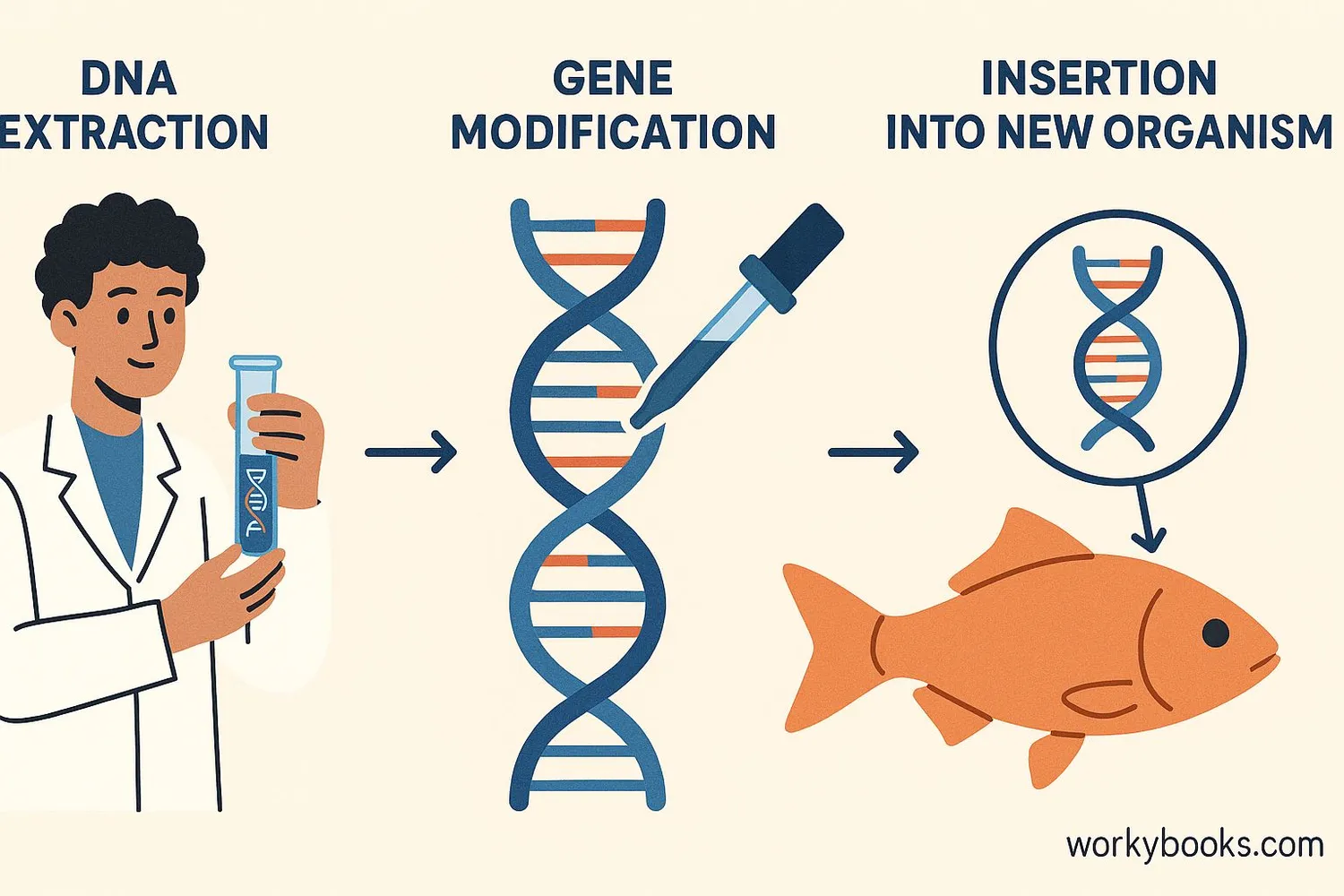
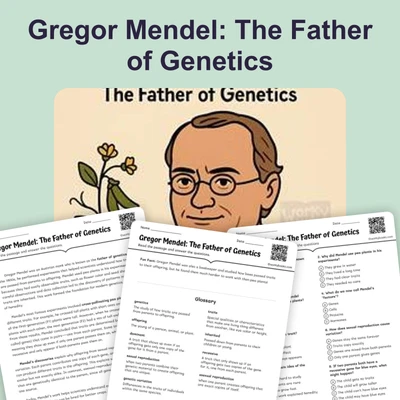
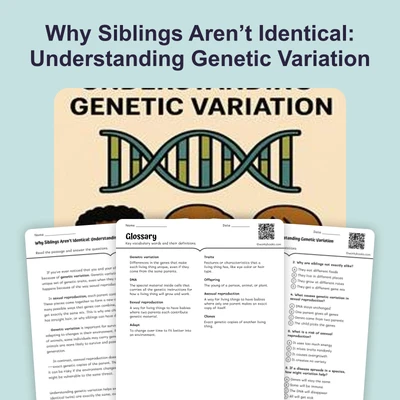
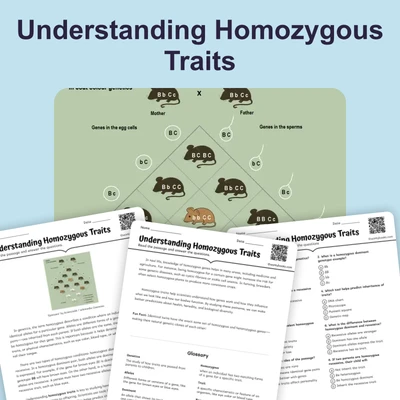
Genetic technology and biotechnology are transforming how humans interact with the living world. By studying and changing DNA, scientists can solve crimes, improve health, and even modify plants and animals. These techniques provide powerful tools, but they also raise important questions about privacy and ethics. Understanding the science behind modern genetics helps us make informed decisions about its use in society.
Mechanisms of Genetic Technology
DNA fingerprinting is a method that examines unique patterns in an individual's genetic code. For example, in forensic science, investigators compare DNA samples from a crime scene with those of suspects to find matches. This process involves copying and sorting specific DNA regions, often using a technology called polymerase chain reaction (PCR). DNA fingerprinting can also determine biological relationships, like paternity testing. Another important technology is genetic testing, which screens a person’s genes for inherited conditions. For example, some tests look for mutations that increase the risk of diseases such as cystic fibrosis or sickle cell anemia. These technologies rely on the precise reading and analysis of DNA sequences, which contain instructions for building and operating living things.
Biotechnology in Action
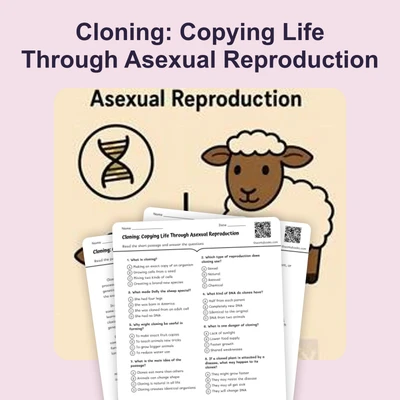
Gene therapy aims to treat genetic diseases by replacing or repairing faulty genes. Scientists use vectors, such as modified viruses, to deliver corrected genes into human cells. In 2022, over 2,000 gene therapy trials were underway worldwide, showing how rapidly this field is growing. Genetic engineering goes a step further by directly modifying the DNA of organisms to give them new traits. Genetically modified organisms (GMOs) are common in agriculture; for example, some crops are engineered to resist pests or tolerate drought, increasing food production globally. Cloning creates genetically identical organisms, as seen when scientists cloned Dolly the sheep in 1996. More recently, the gene editing tool CRISPR has made it possible to edit specific genes with remarkable accuracy, opening new possibilities in disease treatment and research.
Ethical and Societal Impacts
While these technologies offer benefits, they also bring ethical challenges. For example, genetic data can reveal sensitive information, so privacy is a concern. The idea of “designer babies”—children whose genes are selected for certain traits—raises debates about fairness and what it means to be human. GMOs have sparked discussions about food safety and environmental impact. Scientists, policymakers, and the public must weigh risks and benefits before making decisions about biotechnology. Careers in genetics and biotechnology include forensic scientists, genetic counselors, research biologists, and agricultural engineers, all working to solve real-world problems using genetic knowledge.
Genetic technology and biotechnology show how understanding DNA allows us to influence life in powerful ways. These methods connect to larger scientific ideas about heredity, adaptation, and the interconnectedness of living systems. As these technologies advance, society will continue to face new questions and opportunities.
Interesting Fact: Using CRISPR, scientists have edited the genes of mosquitoes so they can no longer spread malaria, potentially saving millions of lives.
Comprehension quiz (10 questions)
1. What does DNA fingerprinting help scientists do?
2. Which technology allows scientists to edit specific genes with great accuracy?
3. What is one example of a real-world application of genetic engineering mentioned in the passage?
4. Which of these is a main concern about genetic technology according to the passage?
5. What does 'genetic testing' mean in the passage?
6. In the context of the passage, what does 'cloning' refer to?
7. How are gene therapy and genetic engineering similar?
8. Why is CRISPR considered an important tool in genetics?
9. True or False: Genetic engineering is only used for creating new medicines.
10. True or False: DNA fingerprinting can help solve crimes by comparing samples from suspects and crime scenes.
Perfect for the way you teach
- Build comprehension skills
- Auto-graded quiz
- Differentiated reading
- Read together at home
- Improve fluency
- Quiet reading time
- Reading curriculum support
- Independent practice
- Track Lexile growth