Climate Change: Solutions and Mitigation
Interactive passage with audio narration, comprehension questions, and printable PDF.
By completing this purchase you agree to our Terms of Use and Privacy Policy. Your subscription renews automatically until you cancel. You can cancel anytime from your account settings. All sales are final and non-refundable. Digital content is available for download in your account immediately upon purchase.
What's included
Climate Change: Solutions and Mitigation preview and details
About this printable Climate Change: Solutions and Mitigation science reading passage, NGSS-aligned (Grades 5-8)
Sample passage and quiz from Climate Change: Solutions and Mitigation
Reading passage and comprehension quiz preview
Climate Change: Solutions and Mitigation
Climate change is one of the most significant challenges facing our planet today. It is driven by the increased release of greenhouse gases, such as carbon dioxide (CO₂), into the atmosphere. These gases trap heat, leading to rising global temperatures, melting ice caps, and more extreme weather events. Scientists study how human activities contribute to climate change and develop strategies to reduce its impacts. Understanding and applying these solutions is essential for ensuring a sustainable and healthy future for all living things.
Mitigation: Reducing Greenhouse Gas Emissions
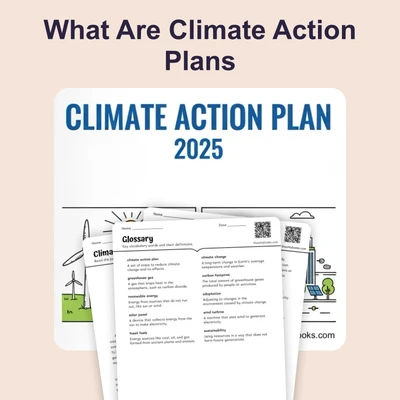
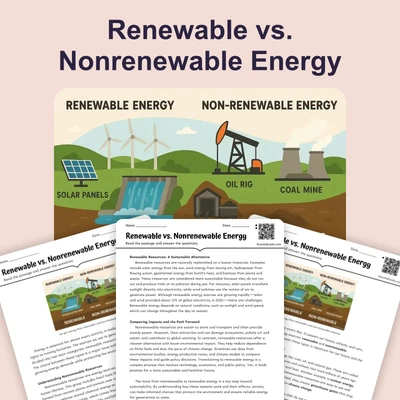
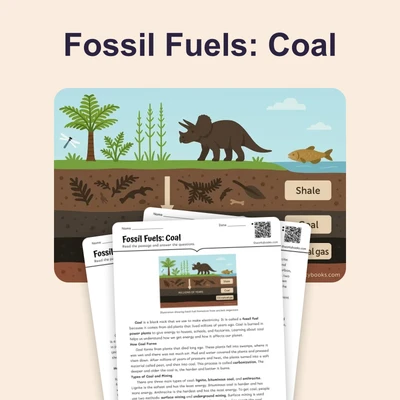
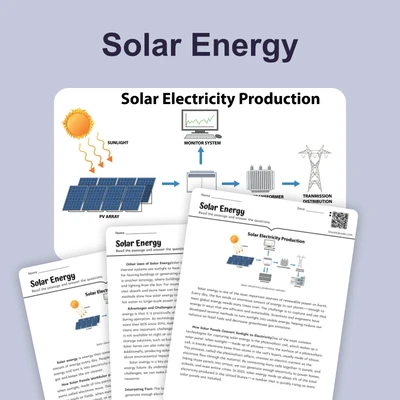
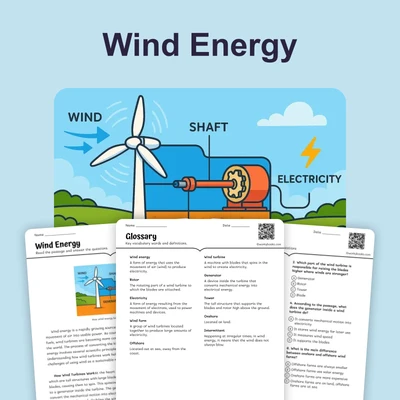
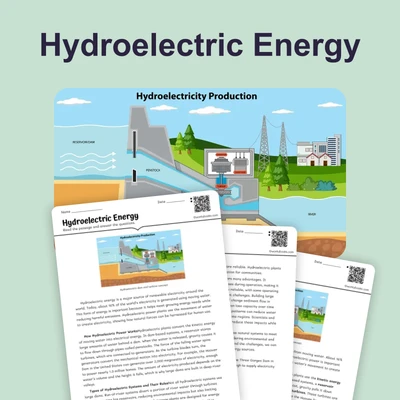
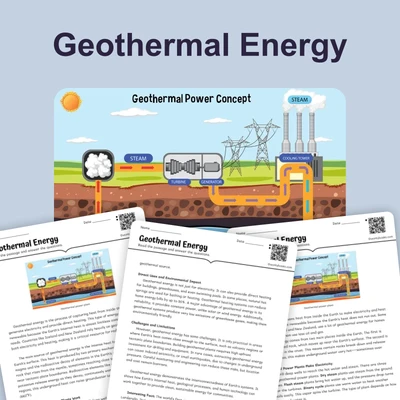
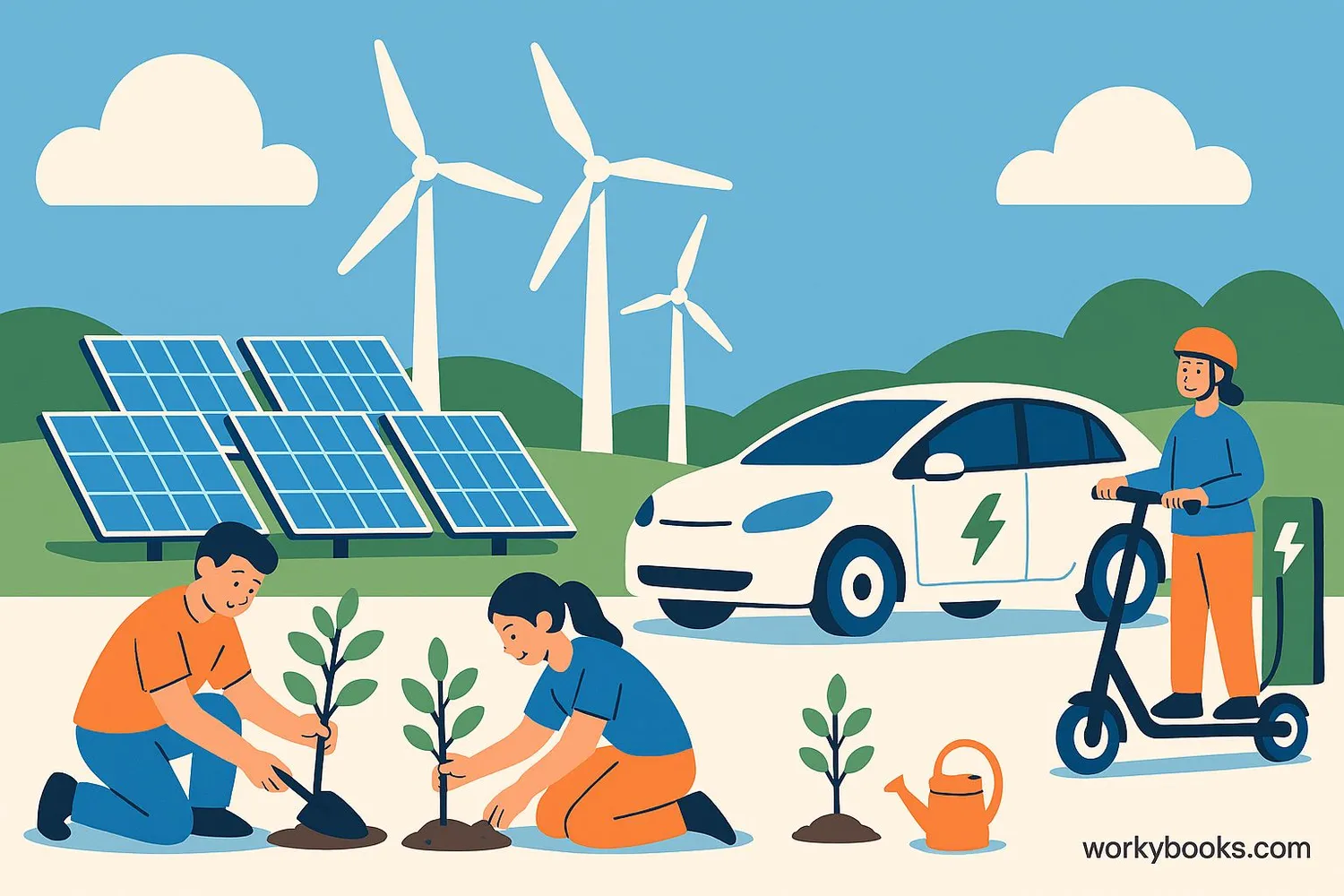
Mitigation refers to actions that directly reduce the amount of greenhouse gases entering the atmosphere. One major approach is shifting from fossil fuels like coal, oil, and natural gas to renewable energy sources, including solar, wind, hydroelectric, and geothermal power. For example, solar panels convert sunlight into electricity without emitting CO₂. Wind turbines use moving air to generate power, while hydroelectric dams capture energy from flowing water. These sources can replace fossil fuels, which are responsible for about 75% of global CO₂ emissions. Improving energy efficiency is another key method. This means using less energy to do the same work, such as building better-insulated homes, upgrading factory equipment, or using LED lights. In transportation, switching to electric vehicles, expanding public transit, and encouraging biking or walking further reduces emissions.
Natural and Technological Solutions
Nature-based solutions also play a vital role. Reforestation and afforestation involve planting trees and restoring forests, which absorb CO₂ from the air through photosynthesis. Sustainable agriculture practices, such as rotating crops and reducing methane emissions from livestock, improve soil health and reduce greenhouse gases. New technologies like carbon capture are being developed to remove CO₂ directly from the atmosphere or prevent it from being released at power plants. These methods are still being improved, but they offer hope for further reductions. Scientists use data from satellites and monitoring stations to measure how well these solutions work and guide future actions.
Adaptation and Policy Approaches
While mitigation aims to limit future climate change, adaptation focuses on dealing with changes already happening. This includes preparing for sea level rise, stronger storms, and changing rainfall patterns. Ecosystem-based adaptation protects and restores natural systems like wetlands and forests, which buffer climate impacts by absorbing floodwaters or providing cooling shade. Governments use policies such as carbon pricing, emissions regulations, and international agreements like the Paris Agreement to encourage emission reductions. Individuals can help by reducing their carbon footprint, supporting climate-friendly policies, and making informed choices about energy use and transportation. Ongoing research and innovation continue to create new solutions for the future.
Addressing climate change requires cooperation among scientists, governments, industries, and individuals. Systems thinking—considering how energy, climate, technology, and society interact—is essential for understanding and solving this complex problem. By combining mitigation, adaptation, policy, and individual actions, society can move toward a more sustainable future.
Interesting Fact: One mature tree can absorb up to 22 kilograms (about 48 pounds) of CO₂ each year, making forests a powerful ally in the fight against climate change.
Comprehension quiz (10 questions)
1. What is the main cause of climate change discussed in the passage?
2. Which of the following is an example of renewable energy?
3. What does the term 'adaptation' mean in the context of climate change?
4. Why is energy efficiency important for climate change mitigation?
5. Which statement best describes 'carbon capture'?
6. What do the words 'reforestation' and 'afforestation' have in common?
7. According to the passage, what percentage of global CO₂ emissions are caused by fossil fuels?
8. Which of the following is NOT a mitigation strategy mentioned in the passage?
9. True or False: Individuals cannot help reduce climate change.
10. True or False: Ecosystem-based adaptation protects and restores natural areas to help with climate impacts.
Perfect for the way you teach
- Build comprehension skills
- Auto-graded quiz
- Differentiated reading
- Read together at home
- Improve fluency
- Quiet reading time
- Reading curriculum support
- Independent practice
- Track Lexile growth